Is MLB Headed for a Financial Crisis? Inside Baseball’s Growing Economic Divide
As Major League Baseball approaches a pivotal moment in its economic history, fans and analysts are increasingly asking a tough question: Is MLB facing a financial crisis that could change the game as we know it?
While baseball remains one of the most popular sports in North America, growing financial tension between big-market powerhouses and smaller clubs has sparked debates about sustainability, competitive balance and the future of the sport. Here’s a closer look at the factors fueling concern and why MLB’s economic outlook is more complex than it may seem.
The Spending Disparity Has Never Been Wider
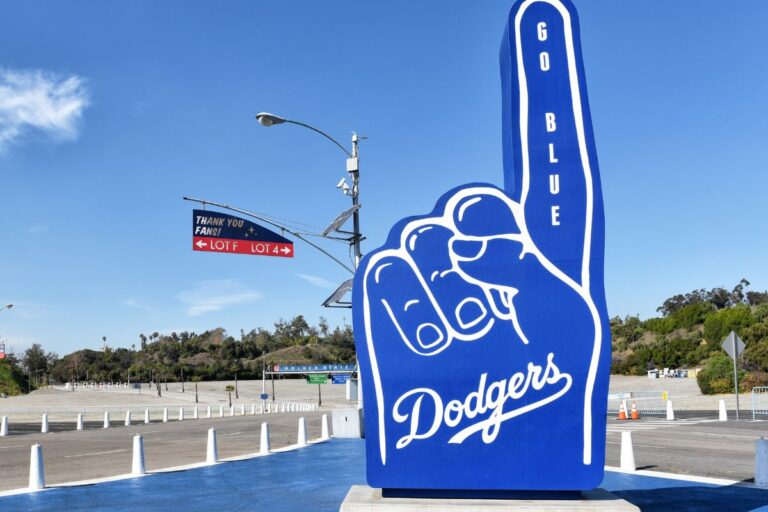
One of the most striking trends in baseball economics is the widening gap in payroll spending across teams. Wealthier franchises like the Los Angeles Dodgers have pushed payrolls and luxury tax bills to unprecedented levels. In 2025, the Dodgers set a new record with a $417 million payroll and a $169 million competitive balance tax payment, the highest ever in MLB history.
That amount, larger than the total payroll of many entire teams highlights the imbalance in a league with no hard salary cap. While high spending can result in championships, the long-term viability of such strategies raises questions about sustainability if smaller teams can’t afford to compete.
Why Small-Market Teams Are Struggling
In contrast to the Dodgers and other wealthy clubs, several franchises operate on dramatically smaller payrolls, sometimes less than one-fifth of what the biggest spenders pay. For example, teams like the Miami Marlins run payrolls well below their wealthier counterparts, creating a competitive gulf that can impact attendance, television ratings and fan interest.
Part of the problem lies in regional sports network (RSN) revenue. Many small-market teams have lost money as traditional cable subscriptions decline and long-term RSN deals expire or diminish in value. In some cases, broadcasters have failed to deliver expected revenue, leaving teams uncertain about future income streams for 2026 and beyond.
Luxury Tax Isn’t Enough — and a Cap Might Be Coming
MLB currently relies on a competitive balance tax, often called a luxury tax to penalize teams with the highest payrolls. While it discourages excessive spending to some degree, it doesn’t impose a firm limit and has become increasingly ineffective as a deterrent. Many teams simply treat the tax as a cost of doing business.
This has led to renewed debate about introducing a true salary cap, something MLB has never had, unlike the NFL, NBA and NHL. Owners have argued that a cap could help create competitive balance and reduce financial risk, especially as national media and local TV revenues shift.
However, players and the Major League Baseball Players Association (MLBPA) strongly oppose a hard cap, viewing it as harmful to player earnings and bargaining rights. This disagreement could lead to serious labor conflict as the current collective bargaining agreement approaches expiration at the end of the 2026 season, raising the specter of a lockout.
Revenue Trends Aren’t Simple
Despite concerns from some quarters, MLB revenue has actually remained strong overall. Reports indicate that total league revenue exceeded $12 billion in 2024, a record figure that was expected to grow in 2025.
Still, revenue growth isn’t evenly distributed and where the money goes matters. With millions paid in luxury taxes and player salaries, plus pressure on media rights deals due to streaming fragmentation, there’s uncertainty about how long current models can sustainably support every franchise.
Is It a Crisis — or Just Growing Pains?
So is MLB on the brink of a financial crisis?
Not necessarily in the traditional sense of widespread bankruptcy or collapse. Baseball is still profitable, popular and financially larger overall than it has ever been. But the imbalance between haves and have-nots, disagreements over economic rules, and structural challenges around media revenue and labor relations are putting stress on the sport’s economic ecosystem.
Whether that evolves into a full-blown crisis may hinge on the upcoming labor negotiations and whether MLB and the players’ union can agree on reforms that preserve competitiveness without destabilizing team finances.
What Comes Next
- A potential salary cap fight looms in labor talks as teams push for more control over spending and competitive balance.
- A lockout is possible if negotiations break down around these economic issues.
- Revenue sharing formulas, media deals and luxury tax structures may be reworked to keep baseball financially healthy across all markets.
For now, MLB remains a powerhouse in American sports but the question isn’t whether baseball will survive financially. It’s whether it will evolve its economic system to maintain competitive balance and long-term stability.
Image Credit: Wikimedia Commons Frederick Dennstedt, Quintin Soloview