Sports Fans Are Arguing That “Social Media Ruined Watching Games Live,” and One Habit Keeps Getting Blamed – “Everyone Reacts Before the Moment Happens”
Watching sports used to feel simpler.
Fans would sit through entire games without constantly checking their phones. Big moments unfolded in real time. Reactions happened together. Nobody knew what was coming next, and the emotional payoff felt bigger because everyone experienced it at the exact same moment.
But in today’s social media era, many sports fans believe something important has changed — and not everyone thinks it changed for the better.
Across online discussions, one complaint keeps appearing over and over again:
“Everyone reacts before the moment even happens now.”
From instant highlights on apps to spoiler-filled timelines, many fans argue that social media has completely transformed the live sports experience. And for some longtime viewers, it’s making games feel less emotional, less surprising, and less immersive than they used to.
Fans Say the “Second Screen Era” Changed Everything
Modern sports viewing is no longer just about watching the game itself.
Now, millions of fans watch games while simultaneously scrolling through social media, checking fantasy updates, reading live reactions, debating officiating calls, and refreshing highlight clips before broadcasts even replay them.
For younger fans especially, this has become completely normal.
But many older fans believe the constant multitasking is hurting the experience.
One opinion keeps spreading online:
“Nobody actually watches the game anymore without distractions.”
It’s become increasingly common to see people following games through clips, notifications, memes, and reactions rather than through the actual broadcast itself.
Some fans admit they spend more time reading reactions online than fully paying attention to the game unfolding in front of them.
That shift has fundamentally changed how sports are consumed.
Spoilers Are Everywhere Now
One of the biggest frustrations fans mention involves how quickly huge moments spread online.
A massive touchdown, game-winning shot, or dramatic home run can appear on social media before many viewers watching live television even see it happen themselves.
Streaming delays have made this even worse.
Fans watching through streaming platforms are often 20 to 60 seconds behind cable broadcasts, meaning social media timelines frequently spoil major moments before they appear on screen.
That delay creates a strange experience where fans already know the outcome before the play arrives on their television.
Many viewers say it completely kills suspense.
One complaint shows up constantly during major sporting events:
“What’s the point of watching live if Twitter tells you first?”
For many fans, anticipation used to be one of the best parts of sports. Waiting for the next pitch, next possession, or final drive created tension that made victories and heartbreak feel unforgettable.
Now, some argue that emotional buildup disappears when notifications ruin the surprise.
Reaction Culture Is Taking Over Sports
Social media hasn’t just changed how fans watch games — it has changed what fans focus on.
Increasingly, sports conversations revolve around reactions instead of the actual event itself.
People rush to post opinions instantly after every controversial call, turnover, or mistake. Memes appear within seconds. Debates explode before announcers even finish analyzing the play.
Some fans believe this constant reaction culture has shortened attention spans and made sports discussions far more emotional and extreme.
A player can go from “washed” to “legendary” in the span of one quarter depending on what’s trending online.
That environment creates pressure for fans to react immediately rather than actually process what they watched.
Many fans now say social media rewards the loudest opinions, not the smartest ones.
Big Moments Don’t Feel Shared the Same Way
One emotional point that keeps coming up involves the feeling of togetherness during major sports moments.
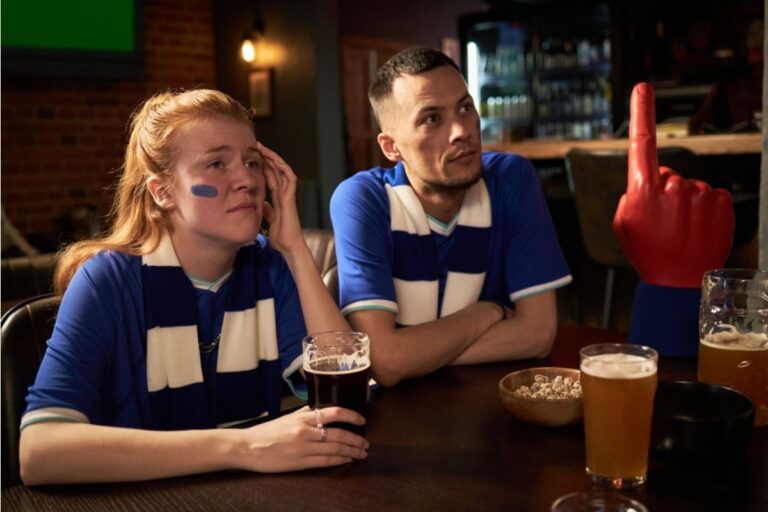
Before social media dominated sports culture, fans often experienced games collectively. Entire rooms reacted together. Stadiums erupted together. Bars exploded with emotion at the same time.
Now, many fans say those shared reactions feel fragmented.
Some people are recording the moment for social media instead of fully experiencing it. Others are already posting reactions before the replay finishes.
One criticism keeps appearing online:
“Everyone’s trying to be first instead of actually enjoying the moment.”
That pressure to instantly react has changed fan behavior in noticeable ways.
People live-post games constantly. Fans race to create viral takes. Every controversial moment becomes content almost immediately.
And while social media has undeniably made sports more connected globally, some fans believe it has also made the experience feel less personal.
Athletes Feel the Pressure Too
Players themselves are now part of the nonstop reaction cycle.
Years ago, athletes could escape criticism after games much more easily. Today, every mistake becomes a viral clip within minutes. Memes spread instantly. Harsh criticism floods comment sections before players even leave the locker room.
That constant exposure has changed the relationship between athletes and fans.
Some players openly avoid social media during games or playoff runs because of how intense online reactions become.
Others engage directly with fans online, which can sometimes fuel even bigger controversies.
The emotional intensity surrounding sports has increased dramatically because reactions never stop anymore.
There’s no cooldown period.
Highlights Are Replacing Full Games
Another trend many fans are noticing is the growing shift away from full-game viewing altogether.
Younger audiences especially consume sports differently than previous generations. Instead of sitting through a three-hour game, many fans follow highlights, clips, and short-form reactions online.
That change has altered how sports stories unfold emotionally.
Fans used to experience the slow buildup of momentum swings, defensive battles, and strategic adjustments over the course of an entire game.
Now, viral clips often reduce games to isolated moments.
Some fans argue this has made sports conversations shallower overall.
One recurring complaint says:
“Nobody has patience for the full story anymore.”
Some Fans Still Love the Social Media Era
Not everyone believes social media ruined sports.
In many ways, it has made fandom more interactive and entertaining than ever before.
Fans can instantly connect with people around the world during games. Memes and reactions create hilarious shared experiences. Smaller sports communities can now thrive online in ways that weren’t possible before.
Social media also keeps fans constantly engaged between games, seasons, and breaking news cycles.
For younger audiences especially, sports and social media are now inseparable.
But even many fans who enjoy online sports culture admit there’s a downside to the nonstop reaction cycle.
The Emotional Experience Feels Different
At the center of this debate is one simple idea:
Many fans believe sports moments don’t fully breathe anymore.
Everything moves instantly now. Reactions happen immediately. Arguments begin before emotions settle. Viral clips spread before broadcasts catch up.
And because of that, some fans feel the emotional experience of watching live sports has changed permanently.
Whether that change is good or bad depends on the fan.
But one thing is becoming increasingly clear across modern sports culture:
People are no longer just watching games.
They’re watching reactions to the games at the exact same time.