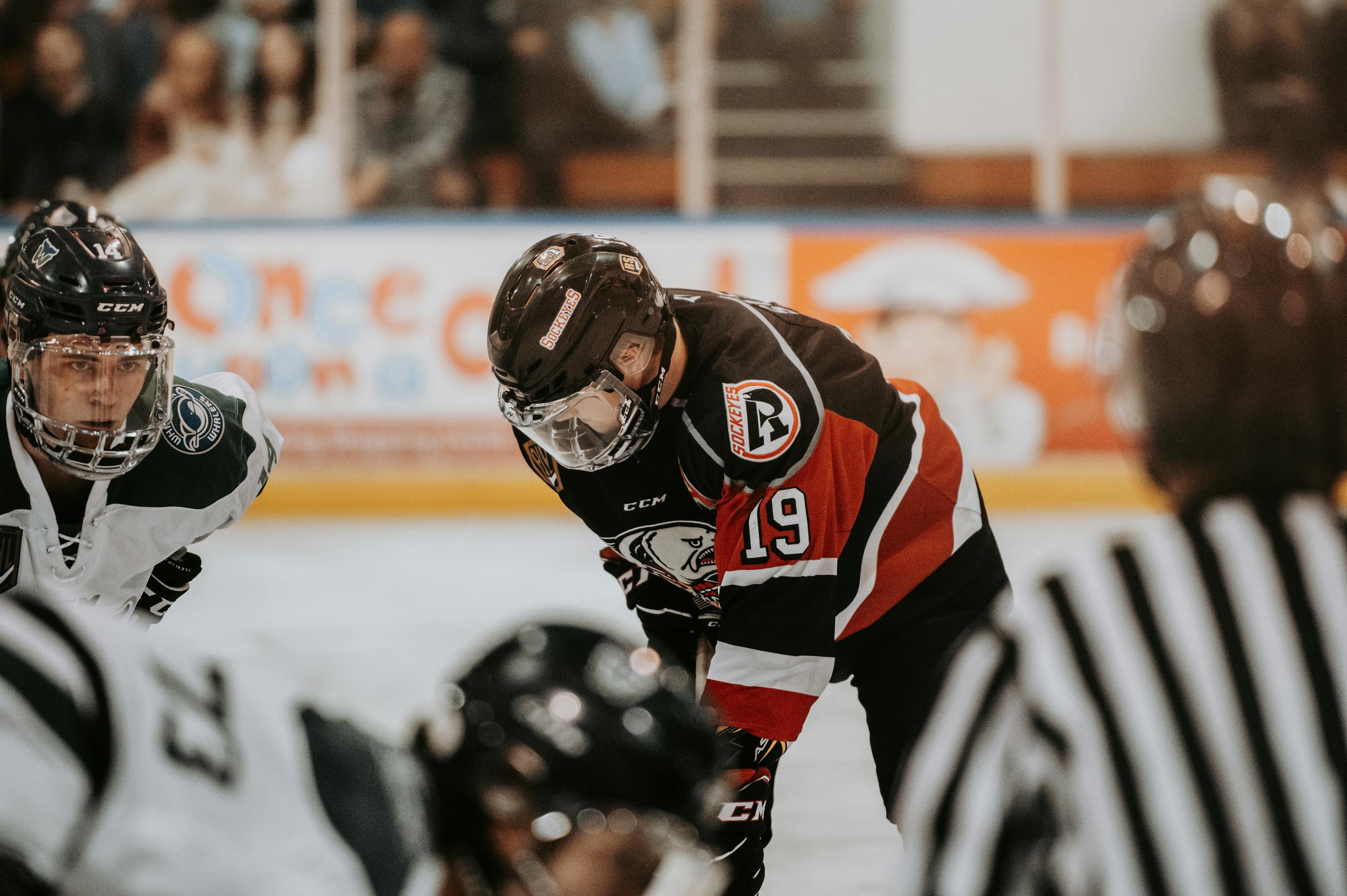
Everyone Wants Tough Hockey — Until Their Star Player Gets Hit
For years, hockey fans have complained that the game has become “too soft.” Every season, social media fills up with clips of old-school hits from the 80s, 90s, and early 2000s. Fans repost massive open-ice collisions, playoff fights, and brutal rivalries while saying the same thing:
“Hockey was better when players were tougher.”
But something interesting keeps happening every single time a star player gets crushed by a big hit in today’s game.
The exact same fans who demand more physical hockey suddenly want suspensions, rule changes, outrage panels on TV, and debates about player safety.
And it’s creating one of the biggest contradictions in modern sports.
Because deep down, hockey fans want toughness — until toughness affects their own team.
The debate exploded again recently during the playoffs after another controversial collision involving a star player sparked outrage online. One side called it “playoff hockey.” The other called it reckless and dangerous. Within minutes, fans were screaming at each other across social media, sports radio, and TV panels.
And honestly, this argument says a lot about where hockey is right now.
Hockey Fans Miss the Violence They Claim to Hate
Older fans especially often talk about how intimidating hockey used to feel.
Games weren’t just about skill. They were emotional wars.
You had enforcers protecting stars. Rivalries that lasted years. Bench-clearing chaos. Players finishing every check no matter the score. Opposing arenas that genuinely felt hostile.
That edge made the sport feel dangerous.
And danger creates emotion.
Modern hockey is faster than ever. The players are more skilled than ever. Systems are cleaner. Passing is sharper. Goalies are technically unbelievable.
But many longtime fans still believe something is missing.
Fear.
Not fear from the audience — fear from the players.
Back then, players knew they would get hit every shift. Crossing the middle of the ice came with consequences. Standing in front of the net meant taking abuse. Every playoff series felt personal.
Now, many fans believe the league protects offense so aggressively that physical intimidation has almost disappeared.
That’s why huge hits still go insanely viral online.
People claim they want speed and skill, but the clips they replay most are usually collisions, fights, scrums, and emotional moments.
Physical hockey still drives attention.
The Problem Starts When Superstars Get Hurt
The entire conversation changes once a superstar is the one getting hit.
Suddenly, fans stop talking about “old-time hockey.”
Instead, they start asking:
“Why would the league allow this?”
“That hit was dirty.”
“He targeted the head.”
“Players need more protection.”
And to be fair, some hits absolutely deserve punishment.
The game is faster now than it was decades ago. Players are bigger, stronger, and skating at terrifying speeds. Brain injuries are taken far more seriously than they used to be.
That part matters.
But fans also clearly pick and choose when they support physical hockey.
A crushing hit against a fourth-line grinder gets called “great playoff intensity.”
The exact same hit against a franchise superstar becomes a national debate for three straight days.
That double standard is impossible to ignore.
The NHL Has a Massive Identity Problem
The league itself seems stuck in the middle.
The NHL markets speed, skill, and superstar talent harder than ever. Young stars are the face of the sport now. Highlight packages focus on goals, creativity, and flashy offensive plays.
But at the same time, the league still sells playoff hockey as violent, emotional, and brutally physical.
Just look at postseason commercials.
Huge hits.
Blood.
Fights.
Cross-checks.
Players screaming on the bench.
The NHL knows physicality still sells emotionally.
That creates confusion for fans.
The league wants toughness because it creates intensity and ratings. But it also wants stars healthy because stars drive revenue, jerseys, TV audiences, and social media engagement.
Those two goals often clash directly.
And fans can feel it.
Playoff Hockey Feels Different for a Reason
There’s a reason people say playoff hockey is “a different sport.”
Refs let more things go.
Hits get harder.
Tempers explode faster.
Every shift feels heavier.
Even casual fans notice the difference immediately.
That intensity is part of what makes the Stanley Cup Playoffs feel unique compared to other sports. The emotional pressure becomes visible. Players stop caring about pain. Teams start targeting weaknesses physically and mentally.
Fans love that atmosphere.
But modern audiences also expect player safety standards that didn’t exist decades ago.
That balance is becoming harder and harder to maintain.
Especially because younger stars are now the entire identity of the league.
Social Media Made the Debate Worse
Years ago, controversial hits would get debated during intermission and maybe the next morning on sports radio.
Now they spread online within seconds.
Every angle gets slowed down.
Every frame gets analyzed.
Every fan base becomes a courtroom.
And outrage spreads faster than context.
One fan calls it clean.
Another calls it assault.
Former players disagree publicly.
TV analysts scream over each other for ratings.
The discourse becomes chaos almost instantly.
What makes it worse is that modern sports fans are far more tribal online than before.
People don’t judge hits consistently anymore.
They judge based on jerseys.
If your rival team delivers the hit, it’s dirty.
If your team delivers it, it’s “hard playoff hockey.”
That hypocrisy fuels nonstop arguments.
Toughness Still Matters More Than Fans Admit
Even with all the controversy, physicality remains one of hockey’s biggest emotional drivers.
Crowds erupt after momentum-changing hits.
Benches come alive after scrums.
Playoff rivalries explode because games become personal.
The emotional energy completely changes.
That’s why many fans secretly fear hockey becoming too sanitized.
If every dangerous play disappears entirely, does the sport lose part of its identity?
That question makes people uncomfortable because there’s truth on both sides.
Nobody wants players seriously injured.
But many fans also know the raw emotional edge of hockey is part of what separates it from other sports.
Without that edge, some believe the game risks feeling overly corporate, controlled, and emotionally flat.
The Debate Probably Will Never End
The truth is hockey fans want two things that don’t fully coexist.
They want old-school intensity.
And they want modern player safety.
They want giant playoff hits.
But they don’t want stars injured.
They want emotional chaos.
But they also want control.
That contradiction sits at the center of modern hockey culture right now.
And every single controversial hit brings it back to the surface again.
Because as much as fans say they miss the “tough old days,” reality hits differently once their franchise player is the one struggling to get off the ice.
That’s when the debate suddenly becomes personal.
And that’s why hockey may never fully solve this argument — no matter how much the game changes.