Fans Are Saying the Emotional Side of Sports Is Gone — and One Factor Is Getting Blamed
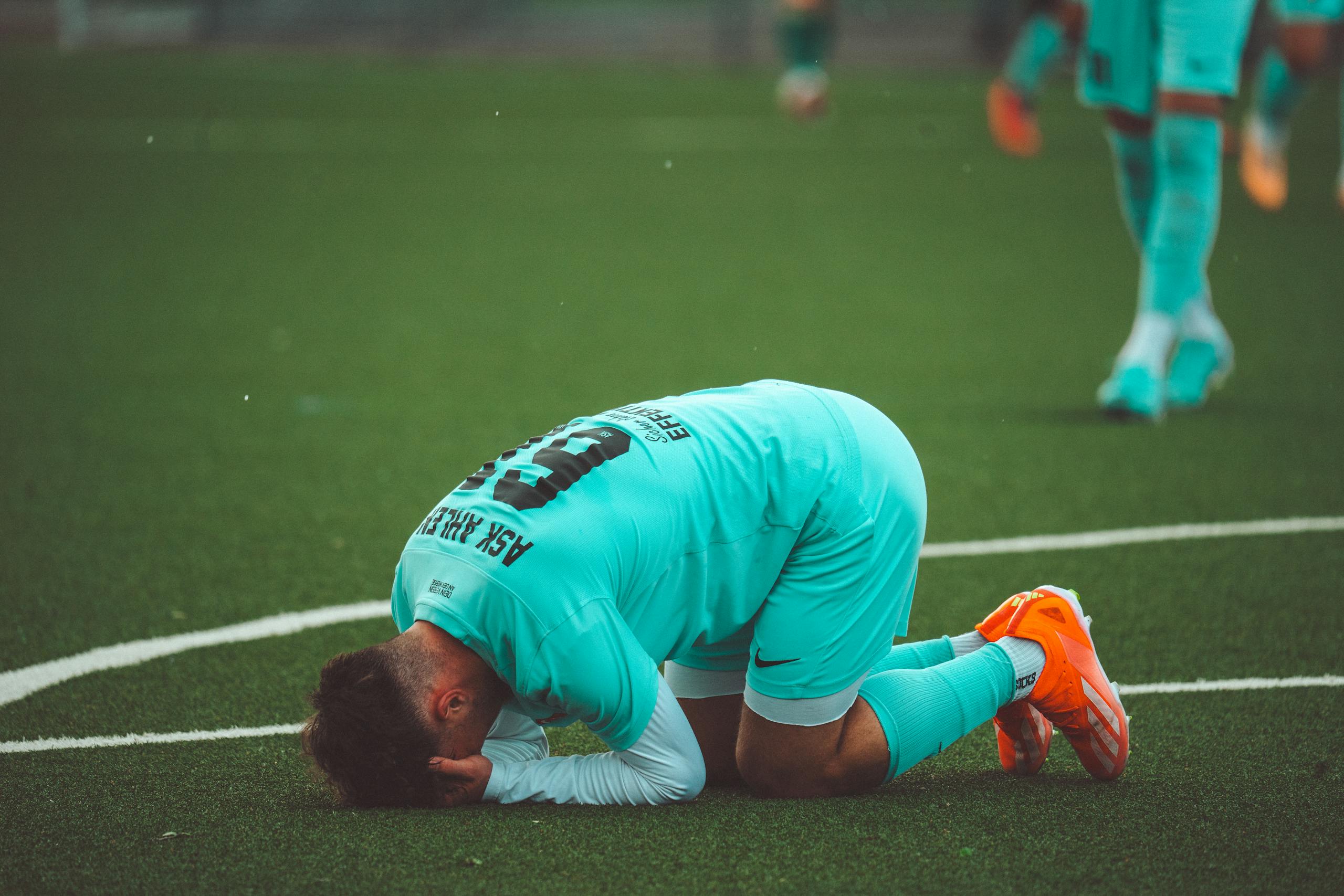
Across sports conversations online, a growing number of fans are expressing the same feeling: something about modern sports just doesn’t hit the way it used to. It’s not about the scorelines, the talent, or even the competition level. Instead, it’s about something less tangible — emotion.
Many long-time viewers say the emotional intensity that once defined big games, rivalries, and even regular-season matchups seems to have faded. And while opinions vary on why that is happening, one explanation keeps coming up more than anything else: players today are seen as “too friendly” with each other, both on and off the field.
A shift fans say they can feel, even if it’s hard to prove
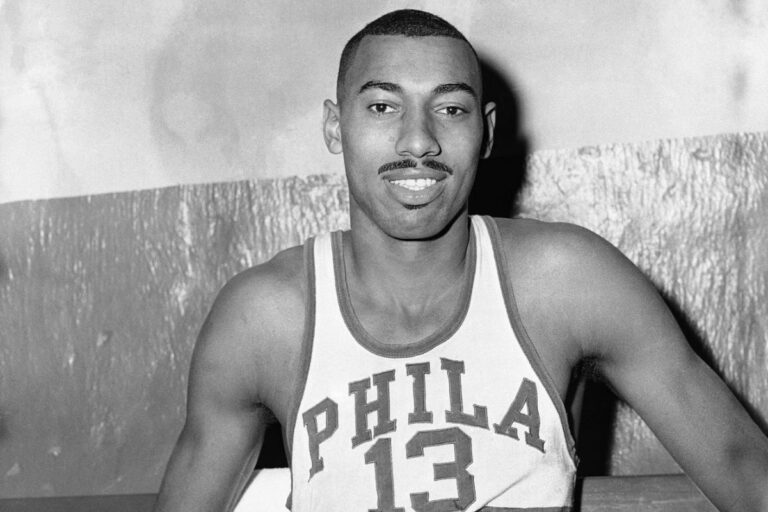
In discussions across social media and sports forums, fans often describe older eras of sports as more emotionally charged. Rivalries felt sharper. Players appeared more personally invested in winning specific matchups. Even post-game interviews sometimes carried tension that added to the drama.
Today, many fans say that feeling is harder to find.
Games may still be competitive, and athletes are still performing at high levels, but the “edge” that once made certain matchups feel must-watch seems less consistent. Instead, fans point to moments of interaction between opposing players — laughing together, exchanging jerseys, or showing public admiration — as evidence that the emotional separation between teams has weakened.
“It used to feel like battles, not collaborations”
A common sentiment among fans is that sports once felt more like emotional battles. Teams represented cities, identities, and personal pride in a way that seemed more rigid and intense.
Now, some fans argue that sports culture has become more connected and socially friendly. Athletes train together in the offseason, build relationships across teams, and often share friendships that go back years through youth circuits, college programs, or international competition.
To supporters who grew up watching older eras, that closeness can sometimes feel like it reduces the stakes when rivals meet on the field or court.
One recurring idea in fan discussions is that if players don’t truly “dislike” each other anymore, then rivalries naturally lose some of their emotional weight.
The social media effect
Another factor frequently mentioned is social media. Platforms now give fans constant access to athletes’ personal lives, interactions, and relationships. Players who are about to face each other in a high-profile game may already have a visible friendship online.
Instead of mystery and separation between opponents, fans see behind-the-scenes connections all the time.
Some argue this transparency humanizes athletes in a positive way. Others believe it reduces the psychological distance that once made rivalries feel larger than life.
When everything is visible — from training clips to friendly offseason workouts — it becomes harder for some fans to fully buy into the idea of animosity during competition.
The business side of modern sports
Beyond player relationships, fans also point to the broader business structure of modern sports. Free agency, salary caps, sponsorship deals, and constant movement between teams have made player loyalty more fluid than in past decades.
In earlier eras, it was more common for star players to spend long stretches of their careers with one team, building long-term rivalries with specific opponents. Today, player movement is more frequent, and that can blur traditional rivalries that used to build over years.
For some fans, that fluidity is part of the problem. If players regularly switch teams or form super-teams with former rivals, it can be harder to maintain the emotional storylines that once defined certain matchups.
Not everyone agrees the emotion is gone
While the criticism is widespread, not all fans agree with the idea that sports have become less emotional. Many argue that the intensity is still there — just expressed differently.
Instead of physical confrontations or visible hostility, today’s athletes often show emotion through performance, competitiveness, and social media statements. Some of the biggest modern rivalries are still extremely heated, even if they don’t always look the same as they did in previous generations.
Others point out that nostalgia may play a role in how fans interpret the present. Past eras are often remembered as more intense, while current moments are judged more critically in real time.
Why this debate keeps coming back
What makes this conversation persistent is that there is no clear answer. Sports have evolved in multiple ways at once — in media coverage, athlete behavior, league structure, and fan engagement.
That means fans are often reacting not just to the games themselves, but to how the entire experience of sports has changed.
For some, the evolution is positive: more professionalism, more access, and more global connection between athletes.
For others, something important has been lost — the feeling that every big matchup carried personal weight beyond the scoreboard.
A debate that likely isn’t going away
As long as sports continue to evolve, this discussion will likely remain active. Every generation tends to compare the present to what they grew up with, and emotion is one of the hardest things to measure objectively.
Still, the fact that so many fans keep returning to the same idea suggests it taps into something real about how sports are experienced today.
Whether it’s player relationships, media exposure, or the business side of modern leagues, fans continue to search for answers to one central feeling — why the emotional side of sports doesn’t always feel as strong as it once did.