
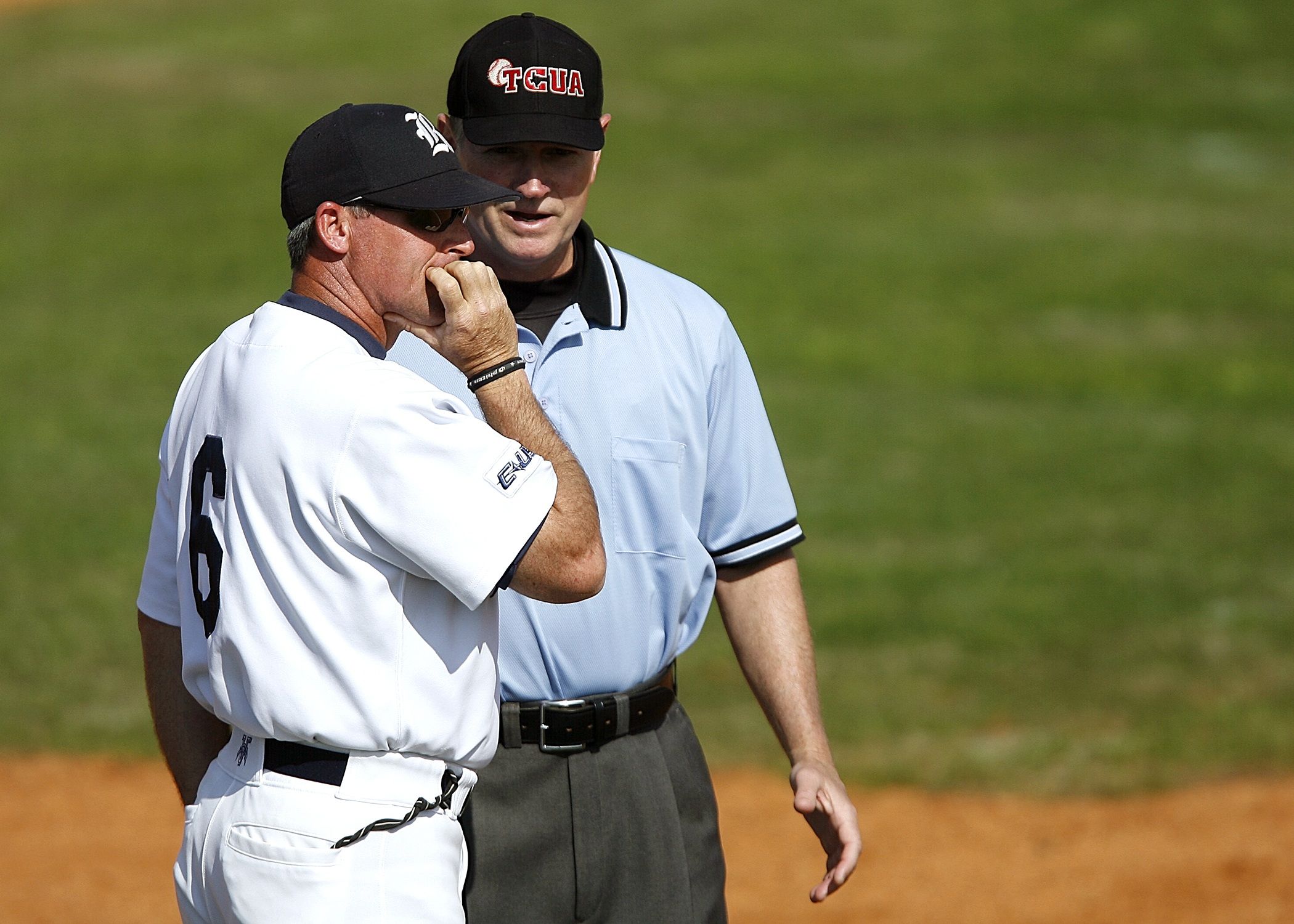
“‘He’s Ruined Every Team He’s Managed.’ One MLB Manager Sparks A Heated Debate”
Baseball fans love debating players.
Who’s overrated?
Who’s underrated?
Who deserves the Hall of Fame?
But every once in a while, the conversation shifts away from the players and toward the people in the dugout.
That recently led to an interesting hypothetical question:
Which MLB manager has done the most to hold talented teams back?
It’s the kind of debate that quickly divides baseball fans because managing isn’t as easy to judge as hitting or pitching. Some believe a manager can completely change a team’s season. Others argue the players are ultimately responsible for what happens on the field.
Still, one name tends to appear more often than others whenever conversations turn to managers who may have underachieved.
Dave Roberts Always Finds Himself In The Conversation
Few managers have won more regular-season games than Dave Roberts.
Since taking over the Los Angeles Dodgers, Roberts has helped guide one of baseball’s most successful organizations. Division titles have become the expectation, and 100-win seasons have almost felt routine.
Supporters believe that level of consistency is impossible without excellent leadership.
They argue Roberts deserves tremendous credit for managing injuries, balancing one of baseball’s deepest rosters, and handling the enormous expectations that come with managing the Dodgers.
Critics, however, focus on something else.
They point to the talent the Dodgers have had over the years.
MVPs.
Cy Young winners.
All-Stars.
One of the highest payrolls in baseball.
Some argue that almost any competent manager would win plenty of regular-season games with that roster.
To those critics, the postseason is where managers earn their reputation.
The Playoff Argument
Many fans believe October is where great managers separate themselves.
Every pitching change becomes magnified.
Every lineup decision gets questioned.
Every bullpen move is analyzed for years afterward.
That’s why Roberts has often found himself at the center of playoff criticism.
Supporters counter that postseason baseball is incredibly unpredictable.
A hot team can eliminate a favorite in just a few games.
One cold stretch from a lineup can completely change a series.
They believe blaming every postseason exit on one manager ignores how difficult October baseball really is.
Other Managers Also Drew Attention
Dave Roberts wasn’t the only name mentioned in this hypothetical discussion.
Some pointed toward managers whose teams consistently underperformed despite talented rosters.
Others brought up skippers who struggled with bullpen management or lineup decisions.
At the same time, many fans defended those managers by pointing to injuries, front-office decisions, and roster limitations.
Baseball is one of the few sports where even the best teams lose around 60 games every season.
That makes evaluating managers incredibly difficult.
How Much Control Does A Manager Really Have?
One of the biggest questions throughout the debate was simple:
How much impact does a manager actually have?
Unlike football coaches, MLB managers don’t draw up every play.
Unlike NBA coaches, they can’t leave their best player on the floor for 48 minutes.
Instead, they manage personalities, make substitutions, decide bullpen usage, and attempt to put players in the best possible situations.
Some fans believe those decisions can swing entire seasons.
Others think talent almost always wins out over strategy.
Expectations Change Everything
Another major talking point was expectations.
Managing a rebuilding club is one thing.
Managing a World Series favorite is something completely different.
When a team is expected to win 100 games every year, anything short of a championship often feels like failure.
That creates enormous pressure for managers of powerhouse organizations.
Every decision becomes second-guessed.
Every loss becomes headline news.
Winning Isn’t As Simple As It Looks
Many fans argued it’s unfair to label any successful manager as someone who “ruined” a team.
Winning consistently at the major-league level is incredibly difficult.
Injuries, slumps, pitching depth, trades, and even luck all play major roles over a 162-game season.
A manager can make the right decision and still watch it fail.
Likewise, a questionable move can sometimes work perfectly.
That’s why judging managers is often more subjective than judging players.
Why These Debates Never End
There’s no statistic that perfectly measures coaching.
Some fans value championships above everything else.
Others prioritize consistency.
Some judge managers by player development.
Others care most about postseason success.
Because everyone values different things, conversations like this never produce one clear answer.
The Final Verdict
There was no unanimous choice.
Some argued Dave Roberts receives too much criticism considering how consistently successful his teams have been.
Others believed that managing one of baseball’s most talented rosters naturally brings higher expectations, especially in October.
What everyone agreed on was this:
Managers often receive either too much credit or too much blame for results that depend on an entire roster.
Which MLB manager do you think has underachieved the most with the talent they’ve had—and why?