Baseball in the 90s Was Just Different—And Fans Still Haven’t Let It Go
There was just something about baseball in the 1990s.
Maybe it was the larger-than-life stars. Maybe it was the home run chases that stopped the entire sports world. Or maybe it was the feeling that every game mattered in a way that’s hard to explain today.
Whatever it was… fans still talk about it.
And as the game continues to evolve, one thing is becoming clear:
The 90s weren’t just another era of baseball. They were something different.
The Stars Felt Bigger Than the Game
The 90s didn’t just have great players, it had icons.
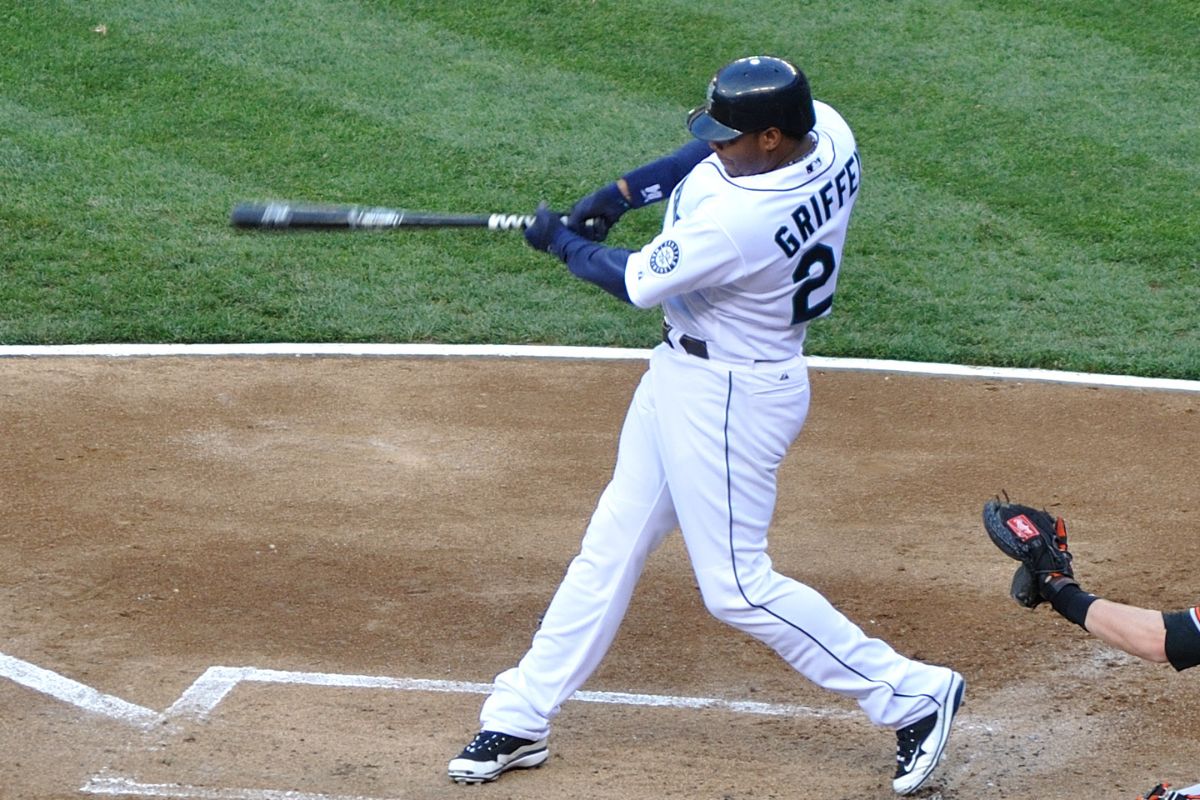
Players like Ken Griffey Jr., Frank Thomas, and Cal Ripken Jr. weren’t just All-Stars, they were cultural figures.
Griffey had the swing every kid tried to copy. Ripken became the symbol of consistency with his ironman streak. Thomas brought power and personality.
And then there were the larger-than-life figures like Mark McGwire and Sammy Sosa, whose 1998 home run race captivated millions.
It wasn’t just baseball.
It was must-watch television.
The Home Run Chase That Saved the Game
After the 1994 MLB strike, baseball needed something to bring fans back.
What it got… was unforgettable.
In 1998, McGwire and Sosa chased Roger Maris’ single-season home run record.
Every at-bat felt historic.
Every home run felt like a moment you couldn’t miss.
For many fans, that summer didn’t just revive baseball, it defined it.
There Was More Personality
Today’s game is filled with incredible talent, but many fans feel something is missing.
In the 90s, personalities weren’t filtered.
Players were expressive. Emotional. Sometimes controversial.
Whether it was the intensity of Barry Bonds, the swagger of Ken Griffey Jr., or the fire of Pedro Martinez, players felt real.
They weren’t just athletes.
They were characters in an ongoing story.
The Rivalries Felt Bigger
The 90s were full of rivalries that felt personal.
Teams like the New York Yankees and Boston Red Sox didn’t just play each other, they clashed.
And with the rise of powerhouse teams like the Atlanta Braves, the postseason became a battlefield of stars.
These weren’t just games.
They were events.
The Game Felt Less… Calculated
Today’s baseball is driven by analytics.
Launch angles. Exit velocity. Defensive shifts.
The 90s?
It felt more instinctive.
Players relied on feel, experience, and raw ability. Managers made gut decisions. The game flowed differently.
For many fans, that unpredictability made it more exciting.
The Steroid Era Complicates Everything
There’s no way to talk about 90s baseball without addressing the elephant in the room.
Performance-enhancing drugs changed the way the era is viewed.
Players like Barry Bonds, Mark McGwire, and Sammy Sosa became central figures in a controversy that still divides fans.
For some, it taints the era.
For others, it doesn’t erase the excitement they felt watching it unfold.
And that tension is part of why the 90s remain such a hot topic today.
Why Fans Still Miss It
At its core, the nostalgia comes down to one thing:
Feeling.
The 90s made baseball feel larger than life.
- Stars were unforgettable
- Moments felt historic
- Games had emotion
It wasn’t just about stats or efficiency.
It was about connection.
Final Thought
Every generation believes their era was the best.
But the 90s have a unique case.
It was a time when baseball was rebuilding, redefining itself, and capturing attention in a way few sports could.
And even now, decades later…
Fans are still chasing that feeling.
Let’s Debate
- Was the 90s really the best era of baseball?
- Does the steroid era ruin it, or make it more memorable?
- And will baseball ever feel like that again?
Because for a lot of fans…
It already peaked.
Image Credit Wikimedia Commons