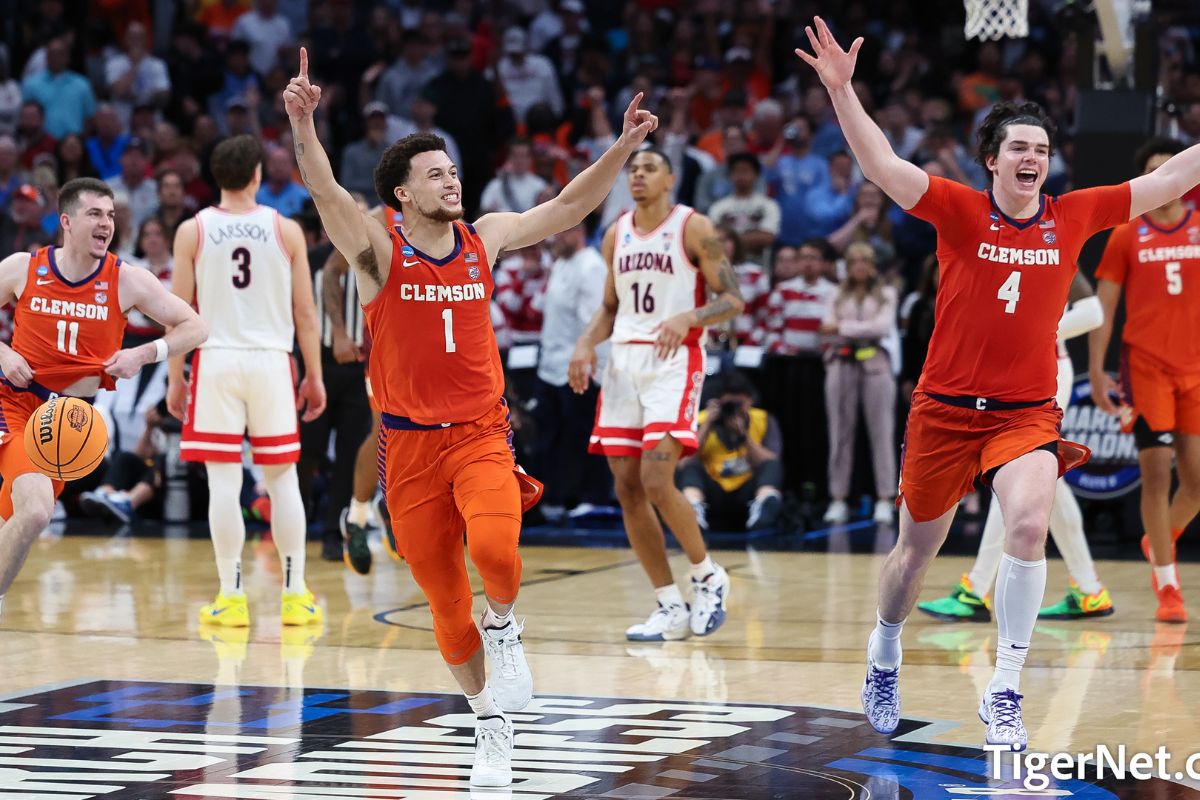
From Eight Teams to Billions in Bets: The Wild 87-Year Evolution of March Madness
Every spring, a fever sweeps across the United States. Work productivity nose-dives, “bracketology” becomes a legitimate field of study, and millions of people suddenly care deeply about the defensive rotations of a small school they couldn’t find on a map. We call it March Madness, but this $1.4 billion cultural juggernaut didn’t start with flashy graphics and stadium-sized courts. It started in a half-empty gym with just eight teams and a name stolen from a high school official.
1939: The Humble Birth of a Giant
The very first NCAA tournament took place in 1939, organized not by the NCAA itself, but by the National Association of Basketball Coaches. The field was tiny, only eight teams were invited. On March 27, 1939, the University of Oregon defeated Ohio State 46–33 to claim the inaugural title.
At the time, the NCAA tournament wasn’t even the “big” event; it was overshadowed by the National Invitation Tournament (NIT) in New York City. In fact, teams often played in both, and in 1950, City College of New York (CCNY) made history by winning both the NIT and the NCAA titles in the same season, a feat that is now impossible due to scheduling and prestige.
The Name: High School Roots and a TV Legend
Where did the “Madness” come from? The phrase wasn’t actually coined for college ball. In 1939, Henry V. Porter, an official with the Illinois High School Association, used “March Madness” to describe the frenzy of the state’s high school championship.
The term stayed a Midwestern secret for decades until 1982. During an NCAA tournament broadcast, legendary sportscaster Brent Musburger, who had covered those Illinois high school games dropped the phrase on air to describe the chaos on the court. It stuck instantly, transforming from a regional slang term into a billion-dollar trademark.
The Era of Dominance: The UCLA Dynasty
No history of the tournament is complete without mentioning the UCLA Bruins. From 1964 to 1975, under coach John Wooden, UCLA won 10 national championships in 12 years. This included a record-breaking seven consecutive titles from 1967 to 1973. This era of predictability is actually what helped fuel the “Madness” of the modern era, fans eventually craved the parity and upsets that define the games today.
1979: The Game That Changed Everything
If there is a “Big Bang” moment for March Madness, it was the 1979 Championship Game. It featured two players who would go on to define the NBA: Magic Johnson (Michigan State) and Larry Bird (Indiana State).
It remains the highest-rated college basketball game in history. That single matchup proved to networks and advertisers that college basketball was a goldmine, leading to massive TV contracts and the tournament’s expansion.
Expansion and the “Cinderella” Rise
As the tournament’s popularity exploded, so did the bracket:
- 1951: Expanded to 16 teams.
- 1975: Expanded to 32 teams.
- 1985: The “Modern Era” began with 64 teams, introducing the four-region format we love.
- 2011: Expanded to the current 68-team format with the “First Four” play-in games.
The expansion gave birth to the Cinderella Story. In 1985, #8 seed Villanova stunned #1 Georgetown in what remains one of the greatest upsets ever. More recently, in 2018, UMBC became the first #16 seed to ever beat a #1 seed (Virginia), proving that in March, truly anything can happen.
Iconic Moments: More Than Just a Game
The history of March Madness is written in “One Shining Moment” highlights:
- 1983: NC State coach Jim Valvano running onto the court looking for someone to hug after Lorenzo Charles’ last-second dunk.
- 1992: Christian Laettner’s “The Shot”—a full-court pass and turnaround jumper to beat Kentucky at the buzzer.
- 2016: Villanova’s Kris Jenkins hitting a walk-off three-pointer to win the title as time expired.
The Modern Phenomenon: Money and Culture
Today, March Madness is an economic powerhouse. In 2023, TV networks generated over $1.4 billion in ad revenuealone. It’s estimated that American workers spend over 2.4 hours a day during the tournament watching games or checking scores, leading to roughly $20 billion in lost productivity nationwide.
But it’s not just about the men. In 2024, the Women’s National Championship game officially outdrew the men’s final in viewership for the first time, signaling a new era for the sport.
Why We Watch
From its eight-team origins to the 68-team spectacle of 2026, March Madness survives because of the bracket. It is the great equalizer. Whether you are a basketball expert or someone who picks teams based on their mascot’s colors, the tournament offers the one thing every sports fan craves: the chance to see a miracle in real-time.
Image Credit Wikimedia Commons