MLB Games Are Getting Shorter, But Some Fans Say “It Feels Like Something Important Is Missing”
Baseball has always been a game of rhythm.
There was no clock. No rush. No pressure to move quickly from one moment to the next. The pace was part of the experience. It gave fans time to settle in, to think, to anticipate what might happen next.
That’s what made it different.
Now, that rhythm is changing.
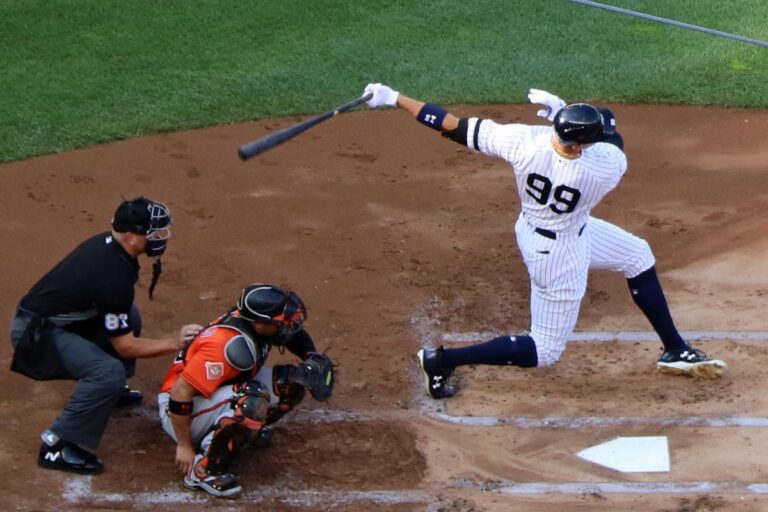
With the introduction of the pitch clock and other rule adjustments, Major League Baseball games are getting noticeably shorter. What used to stretch well over three hours is now often wrapped up in under two and a half.
From a league perspective, it’s a success.
Games move faster. There’s less downtime. Younger audiences are more engaged. Broadcasters have tighter windows. Everything is more efficient.
But not everyone sees that as a win.
Because while the game is moving quicker, some fans feel like it’s losing part of what made it special in the first place.
Baseball wasn’t just about action. It was about tension.
The pause between pitches. The batter stepping out. The pitcher resetting. The crowd building anticipation with every second that passed. Those moments weren’t empty. They were part of the story.
Now, those pauses are gone or compressed.
Pitchers have limited time. Hitters have to stay in the box. Everything is streamlined. And while that creates a more modern viewing experience, it also changes how the game feels.
For longtime fans, that feeling matters.
There’s a growing sense that baseball is trying to keep up with other sports instead of embracing what made it unique. Instead of leaning into its slower, more deliberate nature, it’s speeding itself up to match a different kind of audience.
And in doing so, it may be leaving some people behind.
It’s not just about game length. It’s about atmosphere.
When everything moves faster, there’s less room for buildup. Less time for the crowd to react. Less space for those small, quiet moments that used to define the sport.
Those moments created connection.
They gave fans time to talk, to analyze, to feel like they were part of something unfolding in real time. Now, the game moves forward whether you’re ready or not.
Some fans appreciate the change. They like the pace. They like that games no longer drag on late into the night. They see it as a necessary evolution for a sport competing in a crowded entertainment landscape.
Others aren’t so sure.
Because baseball has always been more than just a product. It’s been an experience. One that didn’t need to be rushed to be meaningful.
There’s also a generational divide starting to appear.
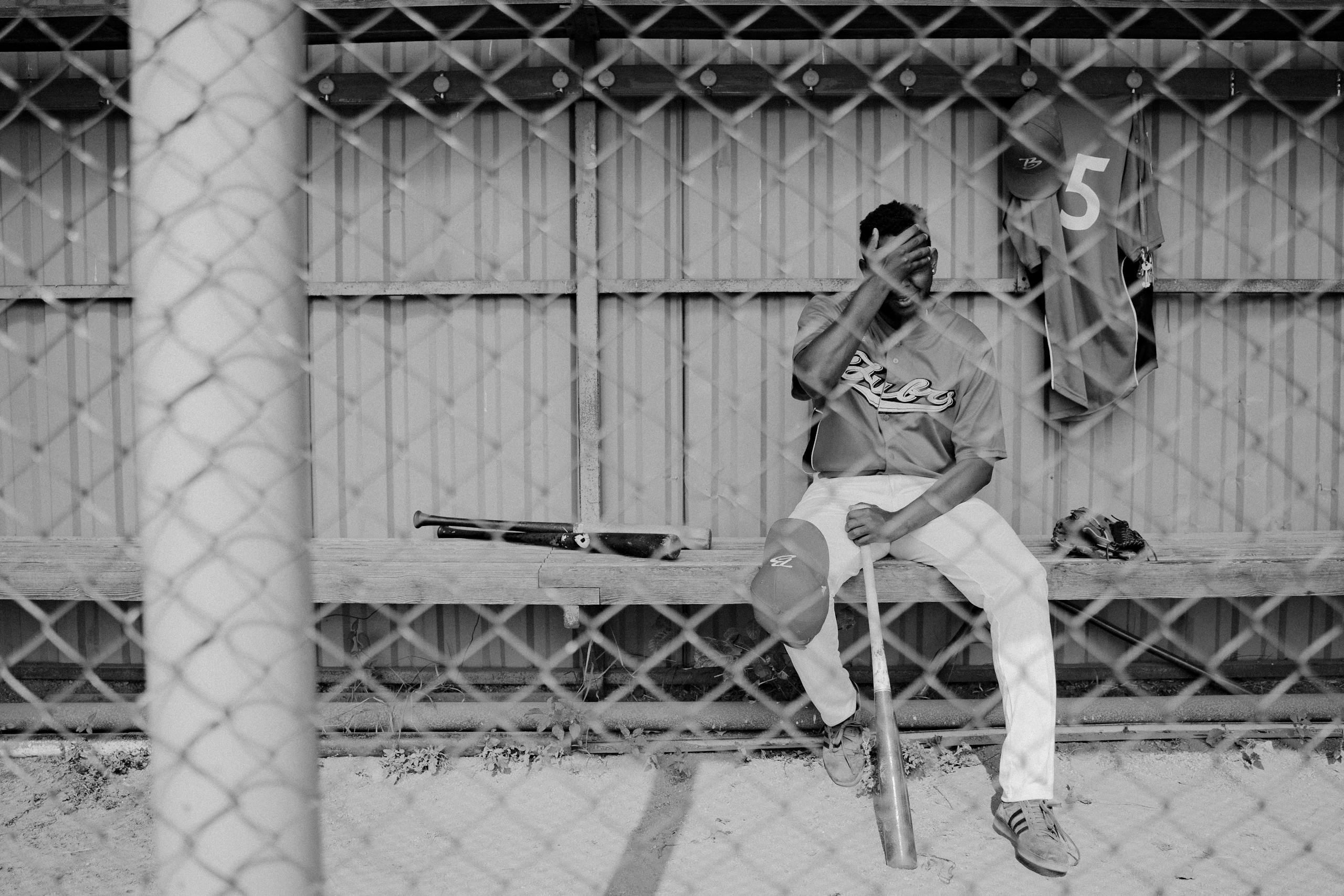
Newer fans, who are used to faster content and shorter attention spans, may find the updated version of the game more accessible. But older fans, who grew up with a different rhythm, are still adjusting.
And not all of them are happy about it.
This doesn’t mean the changes are wrong. It doesn’t mean baseball is declining. But it does mean something fundamental is shifting.
The question now is whether that shift will bring more people in or slowly push others away.
Because once you change how a game feels, you’re not just changing the rules.
You’re changing the relationship fans have with it.