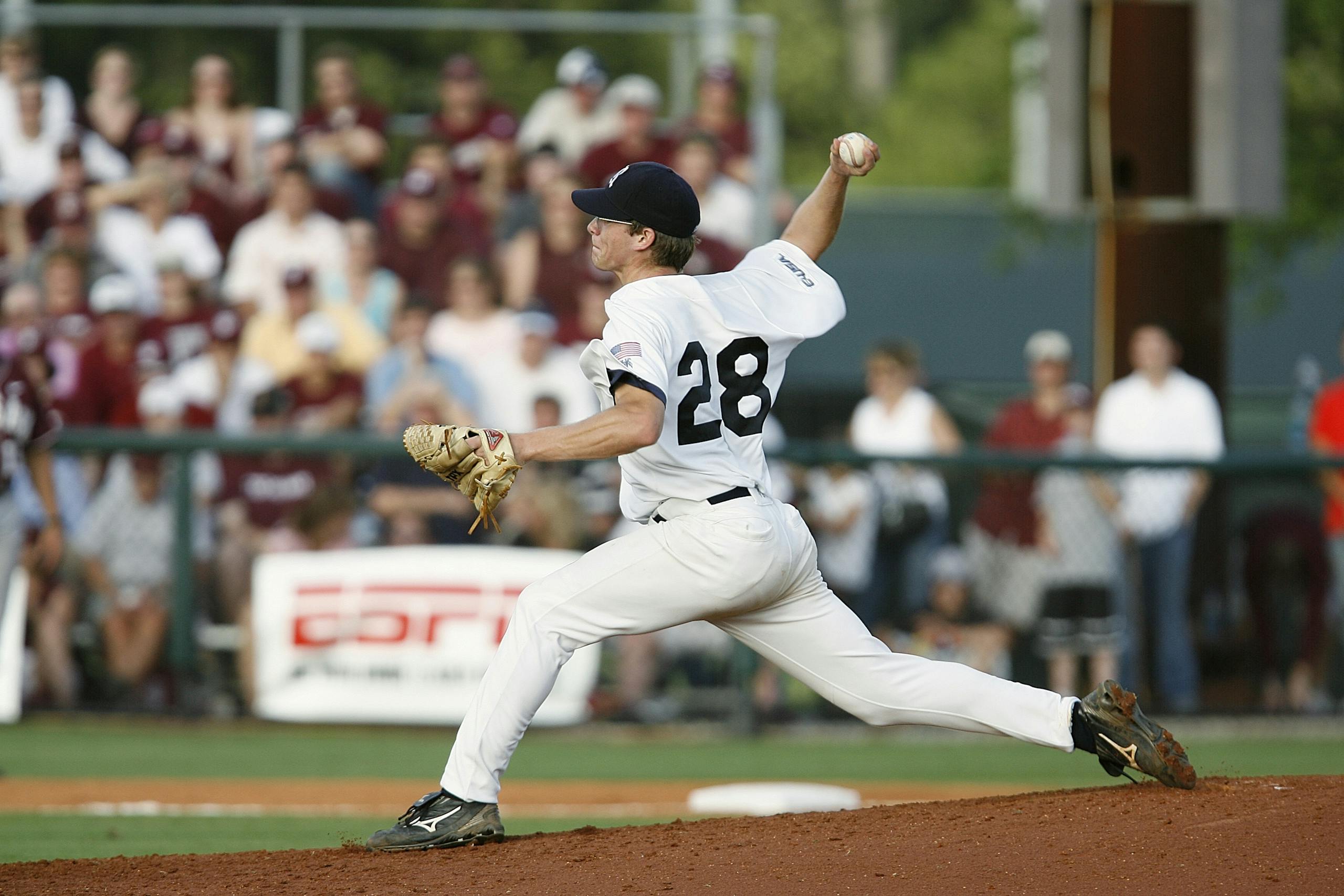
MLB Pitch Counts Are Changing the Game, and Many Fans Say “Starters Don’t Feel Like Stars Anymore”
For decades, one of the defining images of baseball was a starting pitcher walking back out to the mound late in a game.
It meant something.
It meant dominance, endurance, control. Fans watched closely as pitch counts climbed, as hitters adjusted, and as pitchers battled through fatigue to finish what they started. Complete games were not just statistics. They were statements.
Now, that version of baseball is becoming increasingly rare.
Across Major League Baseball, pitch counts have quietly reshaped how games are played. Starters are pulled earlier, even when they are performing well. Managers rely heavily on bullpens, often cycling through multiple pitchers in a single game.
And for many fans, it has changed the feeling of the sport.
The reasoning behind pitch counts is rooted in something teams take very seriously.
Injury prevention.
Pitching places enormous strain on the arm, particularly the elbow and shoulder. Teams are investing tens of millions of dollars into pitchers, and protecting that investment has become a priority. Data suggests that fatigue increases the risk of injury, and limiting pitch counts is seen as a way to manage that risk.
From a front office perspective, it makes sense.
But from a fan perspective, it creates a different experience.
When a pitcher is dealing, controlling the game, and building momentum, there is an expectation that they will continue. When they are pulled early, even with a low hit count or strong performance, it interrupts that narrative.
Instead of watching a single player dominate, fans are watching a system.
That system is built around the bullpen.
The modern bullpen is deeper, more specialized, and more strategically used than ever before. Teams now rely on matchups, bringing in specific pitchers for specific situations. While this adds a layer of strategy, it also changes the pace and rhythm of the game.
What used to feel like a continuous battle between pitcher and lineup now feels segmented.
For some fans, this is simply evolution.
Baseball has always adapted. Strategies change, and teams that embrace those changes often gain an advantage. The numbers support the idea that fresher pitchers perform better, especially late in games.
But for others, the change feels more significant.
They argue that starting pitchers no longer have the same presence. The idea of a pitcher owning a game from start to finish is becoming less common. Even dominant outings are often limited by predetermined thresholds.
This has also changed how pitchers are viewed.
In the past, durability was a defining trait. Pitchers who could go deep into games were highly valued. Now, efficiency and specialization are often prioritized instead.
A pitcher might have an incredible outing, but if they are removed after five or six innings, it changes how that performance is remembered.
There is also a broader question about how this affects the identity of the game.
Baseball has always been about moments that build over time. A pitcher facing the same hitter multiple times, adjusting, responding, and ultimately winning or losing that battle.
When those moments are shortened or removed, it changes the narrative structure of the game.
Some fans are embracing the change.
They see a more strategic, data-driven version of baseball that prioritizes winning above all else.
Others feel that something important is being lost.
Not necessarily the competitiveness of the game, but the connection to its past. The moments that defined earlier eras are becoming less frequent, replaced by a more controlled and calculated approach.
Pitch counts are not going away.
If anything, they are becoming more ingrained in how teams operate.
The question is not whether baseball will continue to change.
It is how fans will adapt to that change.
Because while the numbers may support the strategy, the emotional experience of the game is harder to measure.
And right now, that experience feels different to a lot of people.