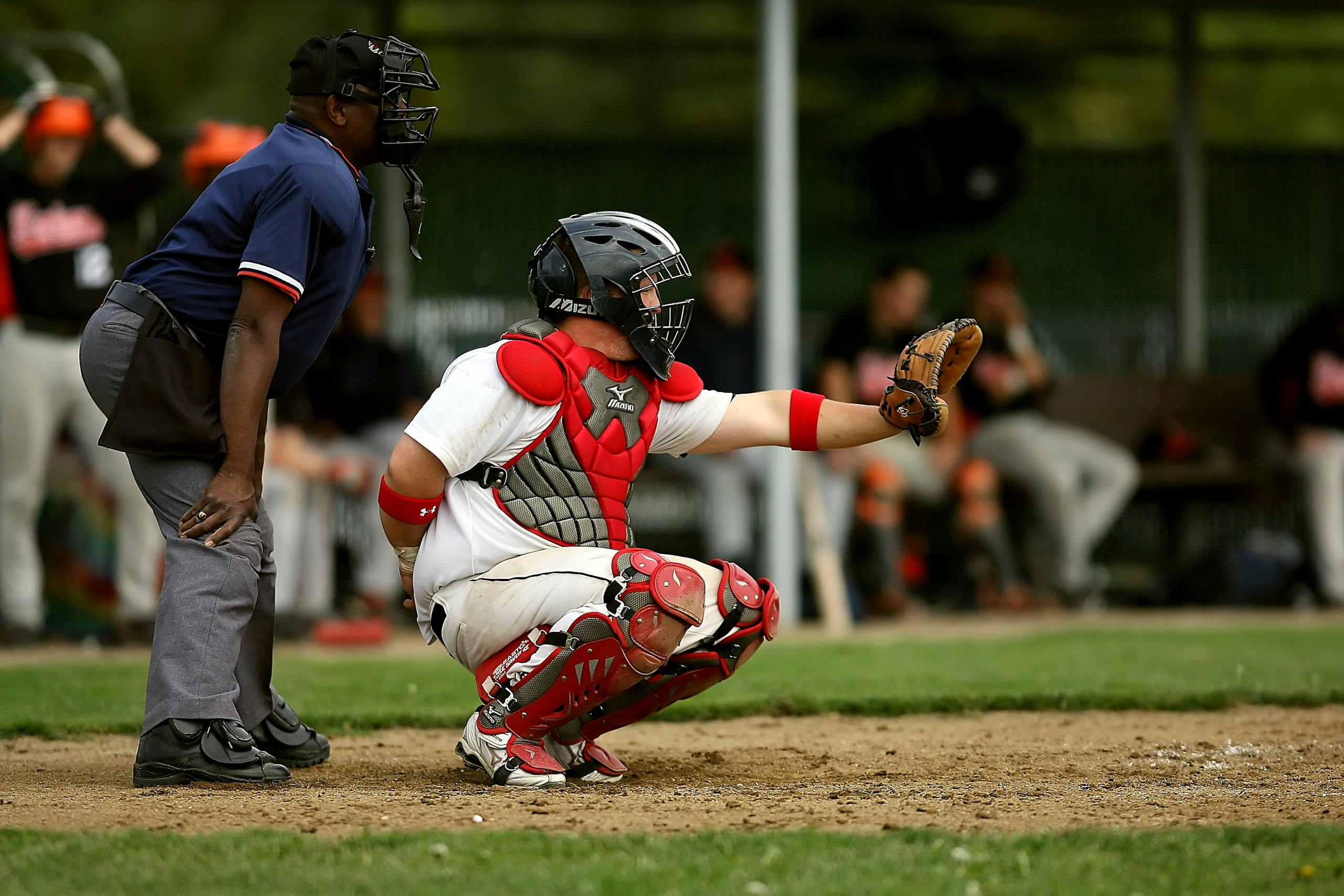
MLB Umpires Are Facing More Backlash Than Ever, and Some Fans Say “It’s Starting to Change Games”
There was a time when most fans accepted missed calls as part of baseball. A close pitch could go either way, and while players might argue, the game moved on. It was frustrating, but it was also understood.
That’s no longer the case.
Now, every pitch is tracked. Every missed call is replayed in real time. Strike zones are analyzed down to the inch, and within seconds, fans know whether a call was right or wrong. And because of that, the reaction has completely changed.
What used to be part of the game is now becoming one of its biggest controversies.
Why Missed Calls Feel Bigger Than Ever
The biggest difference today isn’t that umpires are worse. It’s that the margin for error is no longer invisible. Technology has made every mistake obvious, and once fans can see it, they can’t ignore it.
A borderline pitch that might have gone unnoticed ten years ago now gets highlighted instantly. Broadcasts show pitch tracking overlays. Social media clips spread within minutes. And suddenly, one missed call isn’t just a moment, it becomes a talking point.
That shift has changed expectations. Fans aren’t just hoping for accuracy anymore. They’re expecting near perfection.
“We Can See It, So Why Can’t They Fix It?”
That’s the question that keeps coming up.
If technology can show exactly where the ball crossed the plate, why are games still being decided by human judgment alone? It’s a fair question, and it’s one the league has been trying to navigate carefully.
Baseball has always valued tradition. The human element, including umpires, is part of that identity. But at the same time, the stakes of missed calls are getting harder to ignore, especially when they directly impact outcomes.
The Growing Push for Automated Strike Zones
There’s been increasing discussion around implementing automated strike zones, sometimes called “robot umpires.” The idea is simple. Use technology to determine balls and strikes, removing the inconsistency that comes with human judgment.
In theory, it solves the problem. No more missed calls. No more arguments. Just accuracy.
But in practice, it’s not that straightforward.
What Fans Might Lose If Things Change
For all the frustration around missed calls, there’s also something about the unpredictability of human officiating that has always been part of baseball. Pitch framing, catcher influence, and even subtle variations in strike zones all add layers to the game.
Removing that entirely could make the game feel more precise, but also more mechanical.
That’s the trade-off.
The Reality Players Are Dealing With
For players, especially pitchers, the inconsistency can be incredibly difficult. A strike zone that changes slightly from game to game, or even inning to inning, forces constant adjustments.
Hitters face the same issue. A pitch they thought was outside might suddenly be called a strike, changing the entire at-bat.
Over time, that unpredictability adds pressure and frustration, especially in high-stakes situations.
The Bigger Issue Isn’t Just Accuracy
It’s trust.
Fans are starting to question whether the current system is good enough for the modern version of the game. When a single missed call can shift momentum or decide an outcome, it’s no longer just part of the game. It becomes a problem.
Where MLB Goes From Here
Baseball is at a crossroads. It can continue to rely on tradition and accept the imperfections that come with it, or it can lean into technology and reshape how the game is officiated.
Neither option is perfect.
But one thing is clear. As technology continues to expose every missed call, the pressure to make a change is only going to grow.