NFL Defenses Are Changing How They Hit, and Former Players Say “This Isn’t What We Grew Up Watching”
Football has always been built on impact.
Not just the strategy, not just the scoring, but the collisions. The sound of pads crashing. The moments that made the crowd jump out of their seats before they even realized what had happened. For decades, those hits weren’t just part of the game. They were the identity of it.
Now, that identity is changing in a way that’s impossible to ignore.
Over the past several years, the NFL has made a series of rule changes aimed at improving player safety. Hits to the head are penalized more aggressively. Defenders are expected to lower their target zones. Certain types of tackles that were once routine are now flagged, fined, or even result in suspensions.
On paper, it makes complete sense.
The league is responding to serious concerns about concussions, long-term brain trauma, and the overall health of its players. The science is clearer than it has ever been, and the NFL has faced increasing pressure to take meaningful action.
But what looks logical on paper feels very different on the field.
Because these changes don’t just affect safety. They affect instinct.
Defensive players are now being asked to make split-second decisions while also processing a growing list of rules. In a game where everything happens in fractions of a second, hesitation can be the difference between making a play and missing one entirely.
What used to be automatic is now calculated.
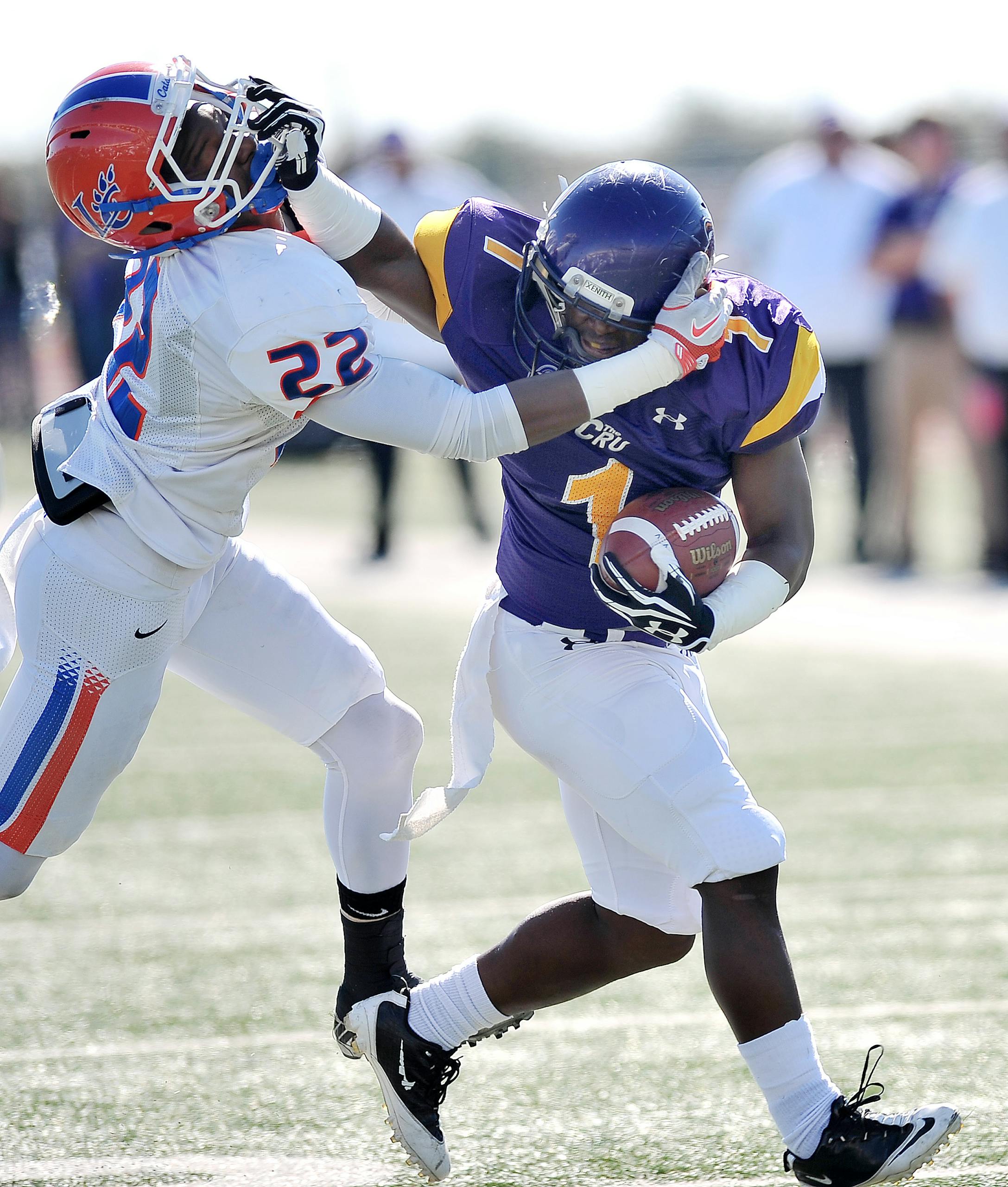
Former players have been especially vocal about this shift. Many have said that the way they were taught to play the game would not translate cleanly into today’s version. Techniques that were once praised are now penalized. Hits that would have been celebrated are now replayed in slow motion and dissected for violations.
For them, it doesn’t just feel like an adjustment. It feels like a different sport.
Fans are starting to feel that difference too.
There’s a growing sense that the physical edge of football has been softened. Not eliminated, but reshaped. The hits are still there, but they don’t always carry the same intensity, the same unpredictability, or the same emotional weight they once did.
And that matters more than people might expect.
Because football has always thrived on controlled chaos. The idea that at any moment, something explosive could happen. A perfectly timed hit. A turnover created by sheer force. A defensive play that completely shifts momentum.
Those moments still exist, but they’re becoming more structured.
More regulated.
More controlled.
Some fans welcome that change. They see it as necessary. They understand that protecting players has to come first, even if it alters how the game looks. They believe the league is doing what it should have done years ago.
But others aren’t so sure.
For them, the concern isn’t just about safety. It’s about identity. About whether the game can still feel the same when one of its defining elements is being reworked in real time.
There’s also a growing frustration around consistency.
What qualifies as a penalty isn’t always clear. Similar hits can be called differently from one game to the next. That inconsistency adds another layer of uncertainty for players and fans alike, making it harder to understand where the line actually is.
And when that line keeps shifting, it changes how people experience the game.
Defenders are pulling up more often. Adjusting angles mid-play. Avoiding hits they might have committed to in the past. Not because they don’t want to make the play, but because the risk of a penalty or fine is always present.
That hesitation is subtle, but it’s noticeable.
It changes timing. It changes outcomes. And over time, it changes perception.
The NFL is now in a position where it has to balance two competing realities.
On one side, there’s the responsibility to protect players and ensure the long-term sustainability of the sport. On the other, there’s the expectation from fans that football remains as intense and emotionally gripping as it has always been.
Those two goals don’t always align perfectly.
And that’s where the tension comes from.
Because every rule change, no matter how well-intentioned, reshapes the game in ways that go beyond safety. It alters how players train, how coaches design schemes, and how fans connect with what they’re watching.
There’s no simple answer here.
The game is evolving, just like it always has. But this particular shift feels more personal to a lot of people, because it touches on something deeper than strategy or scoring.
It touches on what football is supposed to feel like.
And right now, that feeling is changing.