NFL Teams Are Cutting Veteran Players Sooner Than Ever, and Many Fans Say “Loyalty Doesn’t Exist Anymore”
For a long time, there was a certain expectation in the NFL that went beyond stats and contracts.
If a player performed well, stayed consistent, and gave years to a team, there was a sense that it meant something. Fans expected to see those players stick around. Teams often leaned into that idea too, building identities around long-time veterans who became the face of the franchise.
But that version of the NFL is fading.
Across the league, teams are moving on from veteran players earlier than ever, sometimes just one or two seasons after strong performances. And it is starting to feel less like a rare business decision and more like a pattern that is redefining how careers unfold.
For fans, the shift is becoming harder to ignore. Players they associate with a team are suddenly gone, replaced quickly by younger, cheaper options. It is not always about decline or injury. In many cases, it is simply about efficiency.
The NFL has always been a business, but the business side is now driving decisions in a way that feels more immediate and less sentimental than before.
One of the biggest reasons behind this shift is the salary cap. Teams are constantly balancing how much they spend across multiple positions, and veteran contracts can quickly become difficult to justify. A player might still be productive, but if a younger player can deliver similar output for a fraction of the cost, the decision becomes straightforward from a front office perspective.
That logic is hard to argue with on paper.
But it creates a very different experience for fans.
Instead of watching players grow with a team over the course of a decade, fans are now seeing shorter cycles. Players arrive, perform, and leave. The connection becomes harder to build, and the idea of a “lifetime player” feels increasingly rare.
This is where the emotional side of the conversation starts to come in.
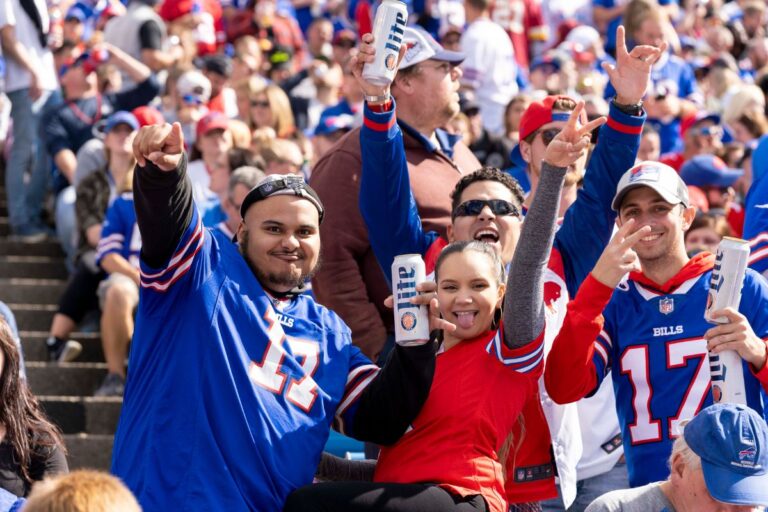
Because while teams are focused on maximizing value, fans are focused on identity. They remember the players who defined seasons, who showed up in big moments, who became part of the team’s story.
When those players are moved on from quickly, it can feel abrupt.
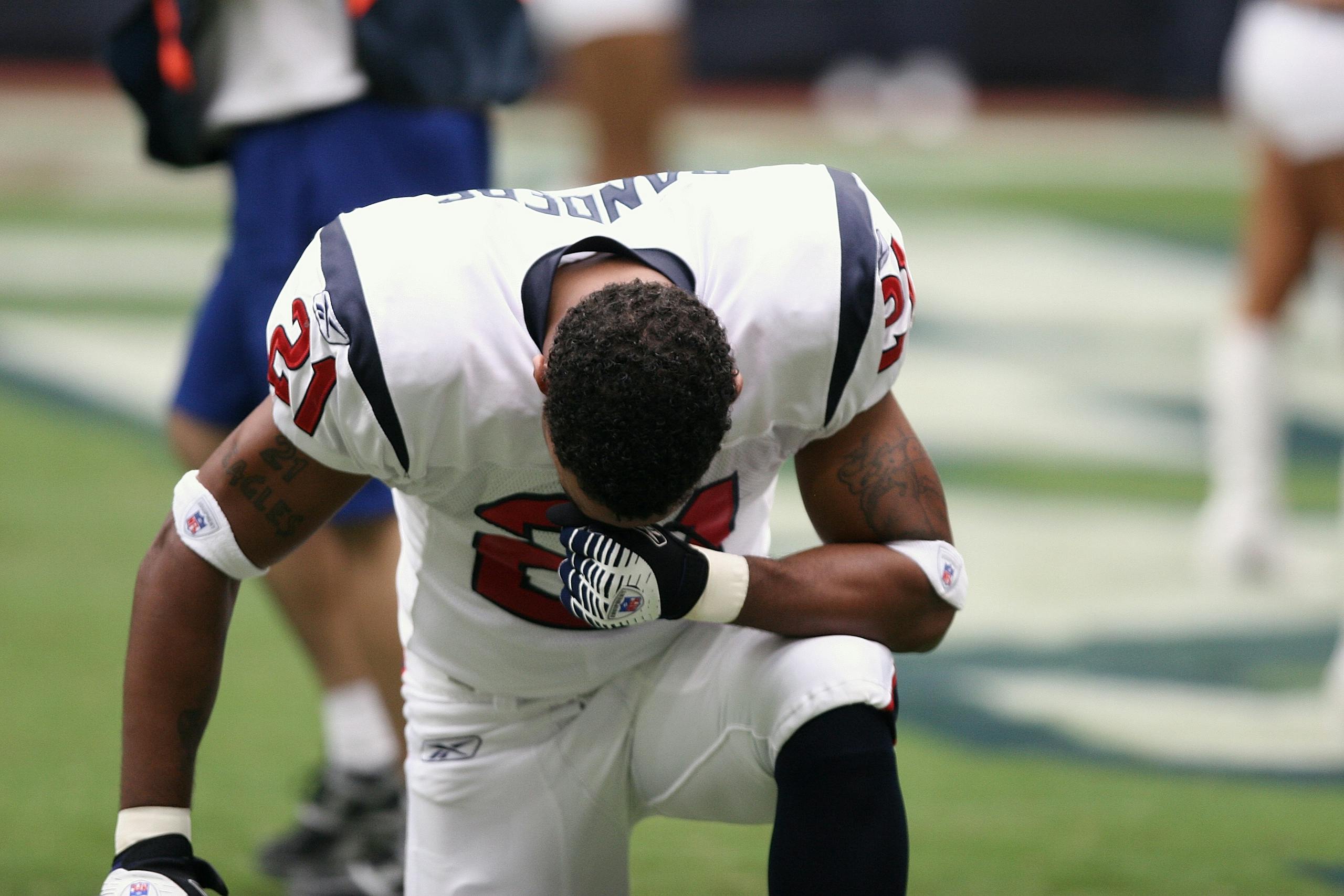
It also raises questions about how players themselves view the situation. For veterans, the message is becoming clear. Production alone is not enough to guarantee stability. Age, cost, and long-term planning all factor in, often more heavily than past performance.
That has changed how players approach their careers.
Instead of expecting to stay in one place, many now anticipate movement. Shorter contracts, flexibility, and awareness of how quickly things can change have become part of the mindset.
The introduction of the rookie wage scale has only accelerated this trend.
Young players entering the league are far more affordable than veterans, and teams get multiple years of control at a lower cost. This creates a constant incentive to refresh rosters with younger talent.
From a purely strategic standpoint, it makes sense.
But it also creates a cycle where experience is devalued faster than it used to be.
For some fans, this feels like a natural evolution. The league is more competitive, more analytical, and more focused on long-term planning than ever before. Teams that adapt quickly tend to stay ahead.
Others see it differently.
They feel that something important is being lost.
The connection between players and teams used to be a major part of what made the NFL compelling. Watching a player spend their entire career with one franchise created a sense of continuity that fans could follow year after year.
Now, that continuity is harder to find.
The debate around this shift is not going away anytime soon.
On one side, there is the reality of how modern sports operate. Efficiency, cap management, and long-term planning drive success. Teams that hold onto expensive veterans for too long risk falling behind.
On the other side, there is the emotional core of sports.
Fans do not just watch for results. They watch for stories, for connections, for the feeling that the players they support are part of something bigger than a transaction.
Right now, the NFL is leaning heavily toward the business side.
And while that may lead to smarter roster decisions, it is also changing how the game feels to the people watching.