NFL Teams Are Moving Away From Traditional Running Backs, and Fans Say “The Game Feels Unrecognizable Now”
For decades, the identity of football was simple. You ran the ball, controlled the clock, and wore defenses down. The running back wasn’t just another position. He was the engine of the offense, the player who set the tone every Sunday.
Now, that identity is quietly disappearing.
Across the NFL, teams are investing less in running backs than ever before. Contracts are shrinking, careers are getting shorter, and even the most productive players are struggling to find long-term deals. Instead of building offenses around the run game, teams are shifting toward pass-heavy systems, committee backfields, and interchangeable players.
And fans are starting to notice.
There was a time when names like Adrian Peterson, LaDainian Tomlinson, and Derrick Henry defined entire franchises. You knew what kind of team you were watching just by seeing who lined up in the backfield. Now, many teams rotate multiple backs in and out, with no clear centerpiece.
For some fans, it feels like something fundamental has been lost.
The numbers tell part of the story. Passing yards have steadily increased over the years, while rushing attempts per game have declined. Offensive coordinators are designing schemes that prioritize spacing, speed, and quick throws rather than physical dominance at the line of scrimmage.
From a strategy standpoint, it makes sense. Passing is more efficient. It creates bigger plays. It forces defenses to spread out. But efficiency doesn’t always translate to emotion.
Football used to feel like a battle of strength and endurance. Now, it often feels like a race.
Even players have started speaking out. Some former running backs have openly criticized how the position is being devalued, arguing that teams still rely on them heavily but refuse to pay them accordingly. The workload hasn’t disappeared. The respect, they argue, has.
Fans are echoing that sentiment.
There’s a growing belief that the league has become too focused on optimization. Too focused on numbers. Too focused on finding the “cheapest” way to produce results. And in the process, it may be losing some of the personality that made the sport so compelling in the first place.
Because running backs weren’t just productive. They were emotional.
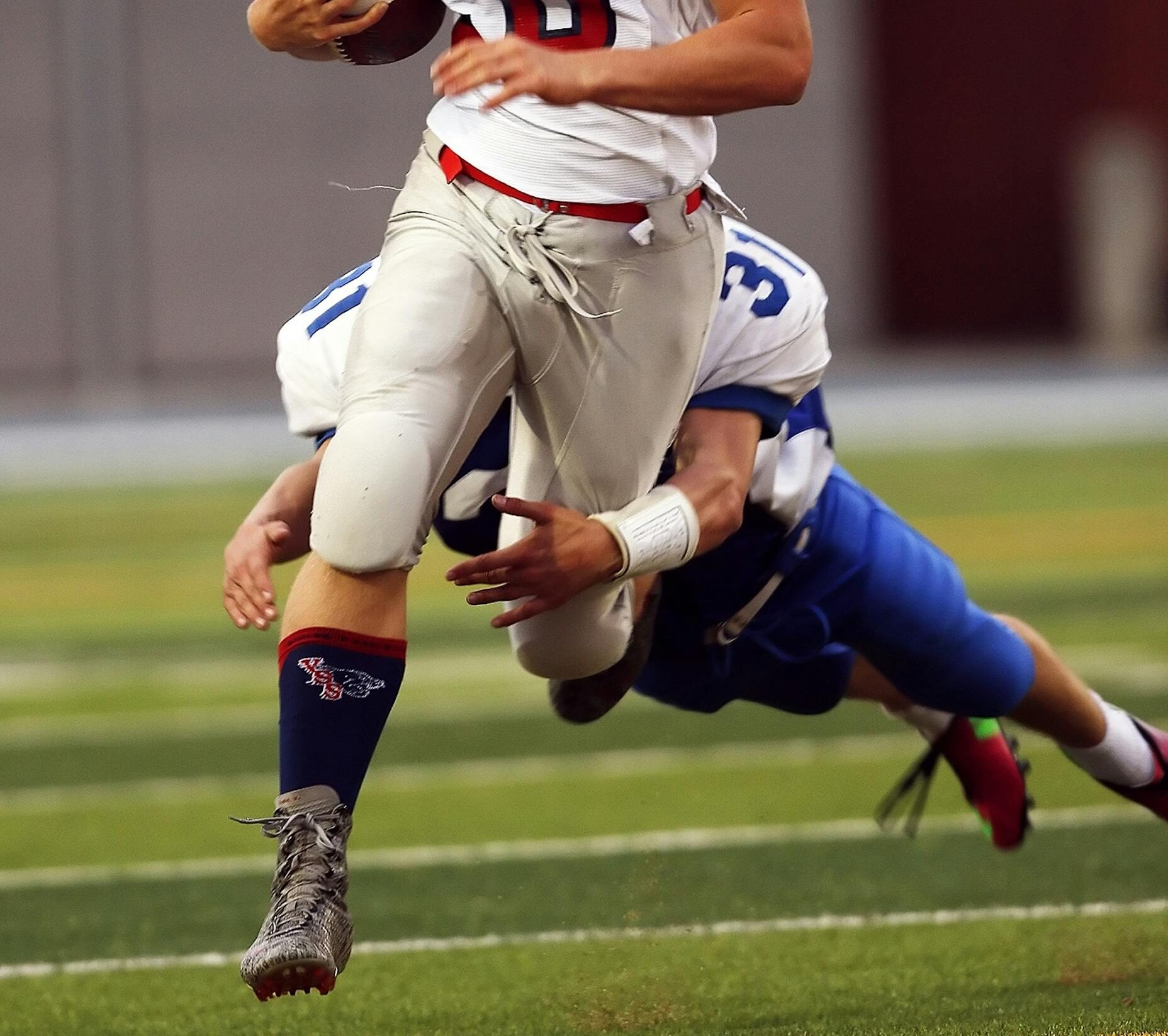
They represented toughness. Grit. The ability to take hits over and over again and keep going. When a team needed a first down late in the fourth quarter, everyone in the stadium knew what was coming. And there was something powerful about that.
Now, those moments feel less common.
Short passes, screen plays, and spread formations have replaced many of those traditional situations. The game hasn’t necessarily gotten worse. But it has gotten different.
And for longtime fans, that difference matters.
There’s also a deeper concern about what this shift means for the future of the sport. If running backs are no longer seen as valuable, fewer elite athletes may choose to play the position. Youth players may be encouraged to switch roles earlier, changing the pipeline of talent altogether.
It’s not just about what’s happening now. It’s about what comes next.
At the same time, others argue that this is simply evolution. That every era of football has looked different from the one before it. That the game has always adapted to new rules, new strategies, and new priorities.
They’re not wrong.
But evolution always comes with trade-offs.
And right now, many fans feel like one of those trade-offs is identity.
Because when you take away the workhorse running back, you’re not just changing a position. You’re changing how the game feels on a fundamental level.
That doesn’t mean the NFL is declining. It doesn’t mean the product is worse. But it does mean something is shifting.
And for a growing number of fans, it’s a shift they’re still trying to understand.