The $13 Billion Mystery: Why the World’s Most Valuable Sports Teams No Longer Need to Win
In the high-stakes world of professional sports, the scoreboard has long been the ultimate arbiter of success. We are taught that winning championships leads to glory, and glory leads to gold. But as we move through 2026, a strange and lucrative paradox has emerged in the global sports economy: The most valuable franchises in the world are often the ones that haven’t won a title in decades.
From the star-studded sidelines of the NFL to the global cathedrals of European soccer, the link between “trophies” and “treasure” has officially been severed. We are living in the era of the “Lifestyle Brand,” where a team’s balance sheet is now more resilient than its roster.
The Dallas Cowboys: The Blueprint of Profitable Failure
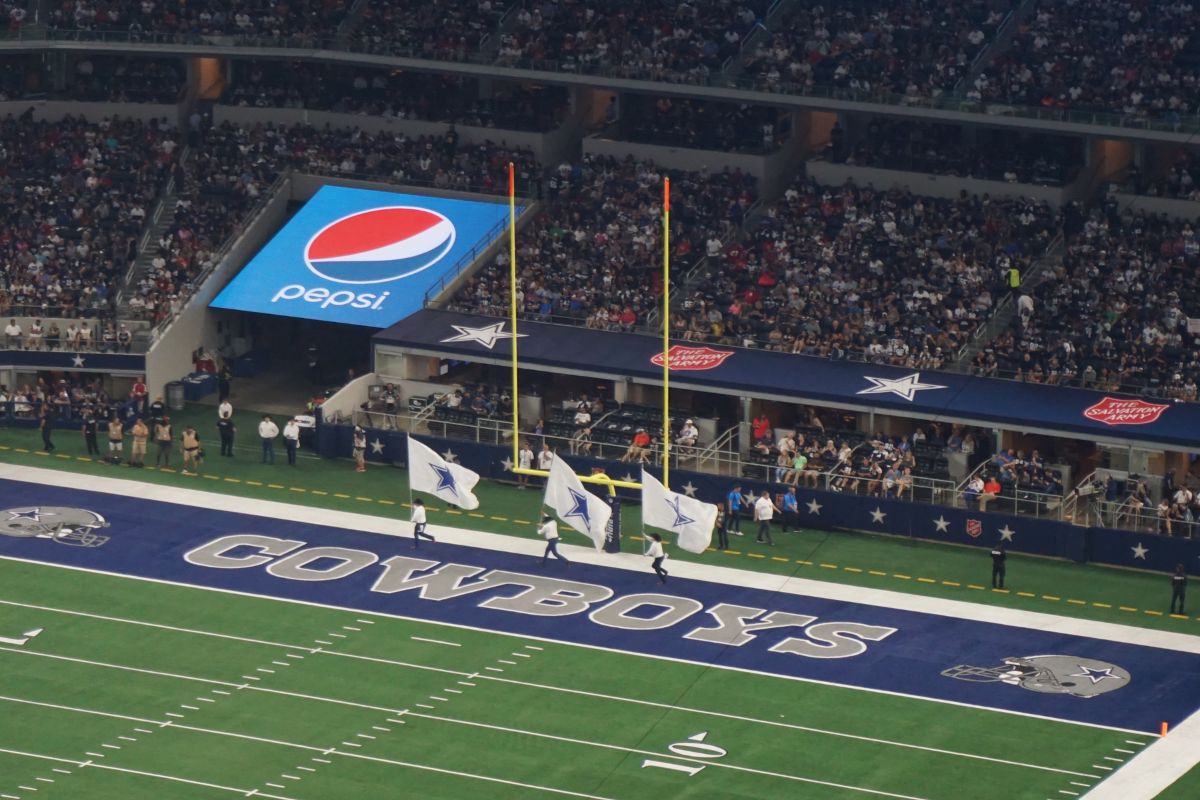
Look no further than the Dallas Cowboys. As of early 2026, the Cowboys sit atop the mountain as the world’s most valuable sports franchise, with a staggering valuation of $13 billion.
The irony? The “America’s Team” moniker is carrying a heavy weight of history. The Cowboys haven’t reached a Super Bowl since the 1995 season. For thirty years, a generation of fans has grown up knowing the Cowboys as a team that sells out stadiums but exits early in the playoffs. Yet, their operating income remains $200 million higher than any other team in sports.
The Cowboys have proven that if you own the stadium, the local media rights, and the most recognizable logo in the western hemisphere, “winning” becomes a secondary revenue stream.
The Golden State Warriors and the “Tech” Valuation
In the NBA, the Golden State Warriors have followed a similar path of financial dominance, valued at roughly $11 billion. While they had a legendary dynasty in the 2010s, their current valuation is built on more than just Steph Curry’s three-pointers.
The Warriors are no longer just a basketball team; they are a real estate and technology company. Their home, Chase Center, is a 365-day-a-year entertainment hub that generates revenue even when the team is in the off-season. By diversifying into venture capital and media production, the Warriors have “recession-proofed” their brand against losing streaks.
Soccer’s “Sleeping Giants”
This isn’t just an American phenomenon. Across the Atlantic, Manchester United and Tottenham Hotspur continue to post record-breaking profits despite massive trophy droughts compared to their rivals.
Tottenham, in particular, has mastered the “Experience Economy.” Their $1 billion stadium features a retractable pitch that hosts NFL games and massive concerts, ensuring that the “Spurs” brand stays profitable even when the trophy cabinet remains empty. It turns out that a state-of-the-art stadium experience is often more bankable than a league title.
Why Fans Keep Clicking (and Paying)
So, why does this matter for the average fan? It creates a friction point that is perfect for digital engagement.
Fans are increasingly frustrated by “profitable mediocrity.” When a team is valued at $10 billion but refuses to spend on top-tier free agents, it triggers a firestorm of comments and social media debate. This “outrage engagement” is exactly what drives virality on platforms like News Break.
The Future: Athletes as Owners
As we look toward the end of the decade, the trend is shifting again. We are seeing the rise of the “Athlete-Owner.” Current stars like LeBron James and Kevin Durant are already positioning themselves to buy into these multi-billion dollar machines. They understand that the real game isn’t played on the court, it’s played in the boardroom.
The Bottom Line
In 2026, the “Golden Age” of sports isn’t about the box score; it’s about the brand. For the Dallas Cowboys, the New York Knicks, or Manchester United, a losing season is just a minor glitch in a multi-billion dollar software update.
As long as fans continue to buy the jerseys, attend the “stadium experiences,” and argue about the team’s failures on social media, these franchises will continue to grow. In the modern sports economy, it seems that being “relevant” is far more profitable than being “the best.”
“Is your favorite team more worried about the scoreboard or the balance sheet? Let us know in the comments if you think ‘winning’ still matters to owners.”
Image Credit Wikimedia Commons Michael Barera