The Childhood Joy of Baseball Cards That Today’s Kids May Never Understand
Long before smartphones, streaming services, and social media dominated everyday life, kids across North America had a much simpler obsession: baseball cards.
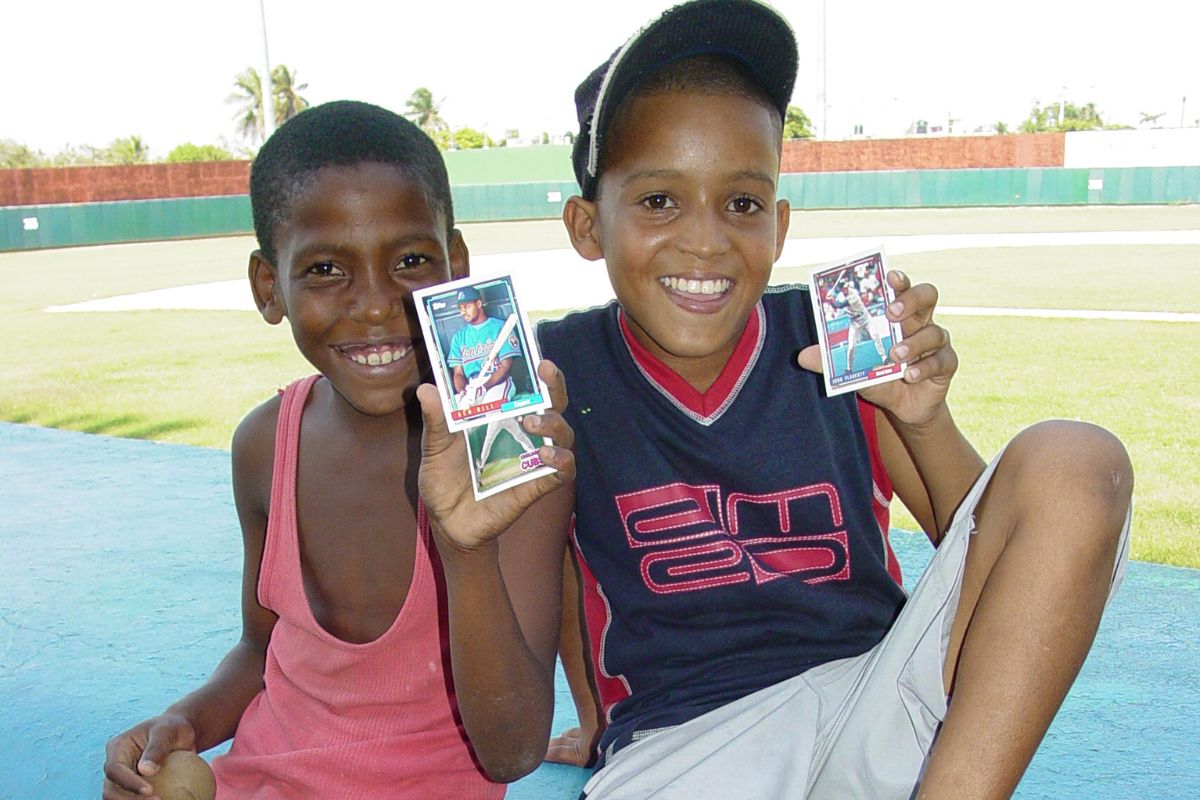
For generations of young fans, collecting baseball cards wasn’t just a hobby, it was practically a way of life. Kids traded them on playgrounds, organized them in binders, and dreamed of owning cards featuring their favorite heroes from Major League Baseball.
In the 1980s and 1990s especially, baseball cards became one of the most treasured items a kid could own.
The Thrill of Opening a Pack
Few childhood memories compare to the excitement of opening a fresh pack of baseball cards.
Whether it was a pack from brands like Topps or Upper Deck, kids carefully peeled open the wax wrapper hoping to discover a star player inside.
Sometimes the cards even came with a stick of bubble gum, a small bonus that somehow made the experience even better.
Every pack felt like a mini treasure hunt.
Would you pull a card featuring a legend like Ken Griffey Jr.?
Maybe a rising star like Derek Jeter?
Or perhaps a rookie card that might one day become incredibly valuable?
That mystery kept kids buying packs and collecting cards year after year.
Trading on the Playground
For many kids, the real fun began after the cards were opened.
School playgrounds became unofficial trading markets where young collectors negotiated deals with surprising intensity. One card featuring a superstar could be worth three or four cards from lesser-known players.
“Two commons for a star,” someone might say.
A rookie card of a player like Cal Ripken Jr. or Nolan Ryan could instantly make someone the most popular kid at recess.
These trades were about more than value, they were about pride, bragging rights, and building the ultimate collection.
Heroes on Cardboard
Baseball cards gave kids a tangible connection to their sports heroes.
Instead of just watching games on television, fans could hold a card featuring their favorite players.
Images of sluggers like Mark McGwire, smooth-swinging superstars like Ken Griffey Jr., and dominant pitchers like Randy Johnson became treasured pieces of cardboard.
Some collectors organized their cards by team. Others sorted them by favorite players or by statistical categories printed on the back.
For young fans, each card felt like a tiny piece of baseball history.
The Dream of Finding a Fortune
Another reason baseball cards were so popular was the belief that they might become valuable someday.
Stories circulated about rare cards selling for huge amounts of money. The most famous example was the legendary card of Mickey Mantle from 1952, which later became one of the most valuable baseball cards ever produced.
Kids began protecting their cards with plastic sleeves and binders, hoping that one day their collection might be worth a fortune.
Even if that dream never came true, the excitement of the possibility made collecting even more thrilling.
The Boom of the 1990s
The baseball card industry exploded during the late 1980s and early 1990s.
New brands, special editions, holographic designs, and limited releases flooded the market. Card shops appeared in malls across the country, and collectors of all ages joined the craze.
At the height of the boom, millions of cards were produced every year.
While the overproduction eventually reduced the long-term value of many cards, it didn’t diminish the joy they brought to collectors during that era.
Why the Nostalgia Still Matters
Today, the world of sports fandom looks very different. Highlights appear instantly on social media, and digital collectibles have started replacing physical cards.
But for many fans who grew up in the 80s and 90s, nothing will ever match the feeling of flipping through a binder filled with baseball cards.
Each one carries memories of childhood, summer afternoons, trading with friends, and dreaming about the stars of Major League Baseball.
And while those cardboard treasures may have faded with time, the nostalgia they bring remains priceless.
Did you collect baseball cards growing up? And which player’s card was your most prized possession?
Image Credit Wikimedia Commons Adam Jones, Ph.D.