The Heat of the Moment: The Greatest Sports Rivalries That Defined History
Sports aren’t just about the final score; they are about the narrative. What turns a standard game into an event, a Tuesday night into “must-see TV,” and a professional athlete into a cultural icon?
The answer is a rival.
A great rivalry is more than just two teams wearing different jerseys. It is the clash of philosophies, the geography of hatred, and the pursuit of individual and collective supremacy. From the gridiron to the tennis court, here is a look at the rivalries that haven’t just entertained us—they have shaped the very fabric of sports history.
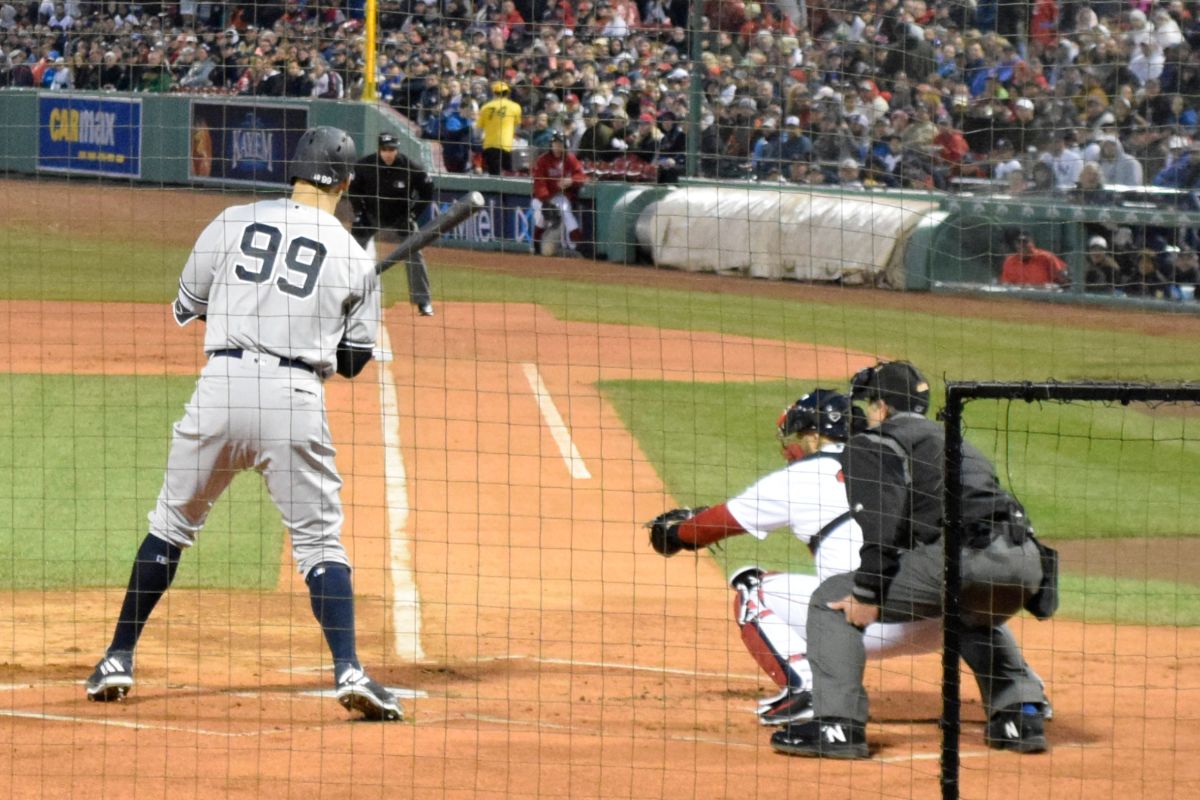
1. The “Us vs. Them”: The Boston Red Sox vs. The New York Yankees
No rivalry in American sports holds the same weight. Spanning over a century, this is less a rivalry and more a “Holy War.”
- The Hook: It’s a battle of cities, identities, and, for many years, the agony of the “Curse of the Bambino.” Even today, every series feels like a playoff atmosphere.
2. The Clash of Legends: Muhammad Ali vs. Joe Frazier
When we talk about individual rivalries, this is the gold standard. Ali brought the flair; Frazier brought the iron will.
- The Hook: Their trilogy of fights, including the “Fight of the Century” and the “Thrilla in Manila,” wasn’t just about boxing. It was a cultural earthquake that transcended the sport and defined an era of social and political tension in the U.S.
3. The Perfectionists: Roger Federer vs. Rafael Nadal
They were the “Fire and Ice” of tennis. Federer’s effortless elegance against Nadal’s relentless, gritty baseline dominance.
- The Hook: They played for two decades, pushing each other to achieve things that seemed impossible. They weren’t just rivals; they were architects of a new standard for athletic greatness.
4. The Institutional Hatred: Ohio State vs. Michigan (NCAA Football)
Known simply as “The Game,” this is the heart of college football.
- The Hook: For these two programs, everything is secondary to the final game of the regular season. It’s the ultimate example of how local geography and decades of history can create a tradition that fans pass down through generations like a family heirloom.
5. The Modern Dynamic: Caitlin Clark vs. Angel Reese
Though young, this rivalry has arguably done more to jumpstart the popularity of the WNBA than any other individual matchup in the last 20 years.
- The Hook: It’s the perfect clash of styles, Clark’s logo-range shooting versus Reese’s interior dominance, paired with the kind of viral, social media-fueled intensity that captures the attention of a brand new generation of fans.
Why Do We Love to Hate?
Sports psychologists note that rivalries thrive on Social Identity Theory. We don’t just pick a team; we become the team. The rival serves as the “out-group,” a foil that sharpens our sense of self. When our team beats the rival, it’s not just a win, it’s a validation of our values, our region, and our identity.
The Current Landscape: What’s Happening in 2026?
The fire is still burning bright in 2026. As we look at the current landscape, a few new rivalries are starting to turn into the classics of tomorrow:
- Manchester City vs. Real Madrid: In the UEFA Champions League, this has become the ultimate “heavyweight” clash, pitting the tactical genius of Pep Guardiola against the regal, indomitable spirit of the Spanish giants.
- Jordan Love vs. Caleb Williams: In the NFC North, the battle between the Packers’ established leader and the Bears’ meteoric rising star is already generating the kind of “who owns the division?” debates that fuel NFL fanbases for a decade.
The Verdict: Why It Matters
Rivalries are the “secret sauce” of sports. They drive ticket sales, they force athletes to train harder, and they turn casual viewers into fanatics. Whether you love them or hate them, you cannot turn away.
Who is the one rival you absolutely refuse to watch your team lose to? Let me know in the comments, are you team “Classic History” like the Yankees-Red Sox, or do you prefer the “New Age” electricity of Clark-Reese?
Image Credit Wikimedia Commons Daniel Hartwig