
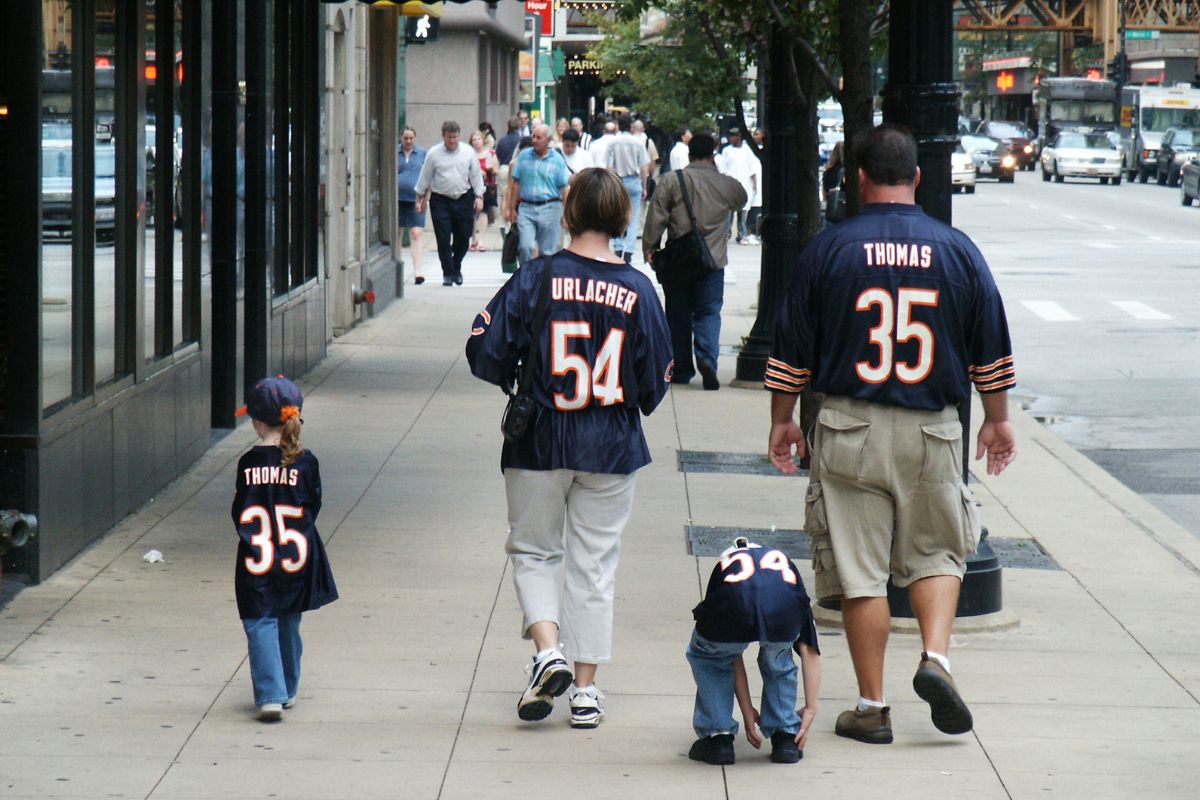
The “Indiana Bears?” Why a Move to Hammond is No Longer a Bluff
CHICAGO — For over a century, the Chicago Bears have been the soul of the Windy City. But as of March 15, 2026, the “C” on the helmet might as well stand for “Crossed Borders.”
In a development that has sent shockwaves from Soldier Field to the Statehouse in Springfield, the Chicago Bears’ flirtation with Northwest Indiana has officially entered the “red zone.” Following the signing of Indiana Senate Bill 27by Governor Mike Braun, the framework is now legally in place for a multi-billion dollar domed stadium in Hammond, Indiana, specifically targeting the Wolf Lake area.
For Chicago fans, the question is no longer if the Bears will leave the lakefront, but whether they will leave the state of Illinois entirely.
The “Big, Big Week” in Springfield
Arlington Heights Mayor Jim Tinaglia issued a stark warning this weekend, calling the upcoming legislative session in Springfield a “big, big, big” week for the future of the franchise. According to Tinaglia, the Bears have “been through the wringer” with Illinois tax disputes for too long.
“Waiting until the end of May is a no-go for the Bears,” Tinaglia stated during his State of the Village address. “If a deal isn’t reached by the end of March, the team may not wait any longer.”
The ultimatum is clear: If the Illinois legislature doesn’t approve the “Megaprojects Bill” (HB 910)—which would provide property tax freezes and infrastructure support for the $5 billion Arlington Heights proposal—the Bears are prepared to take their $8.2 billion valuation across the border.
Why Hammond, Indiana is the “Pole Position”
While Arlington Heights was long considered the frontrunner, Hammond has several advantages that have caught the eye of Bears President Kevin Warren:
- Ownership vs. Renting: The Bears have never owned their stadium in 105 years. Indiana’s proposal offers a 35-year lease on a brand-new, taxpayer-assisted domed stadium where the Bears would control every cent of concessions, parking, and naming rights.
- The “Jets/Giants” Model: Hammond is only 28 miles from downtown Chicago—actually closer to the Loop than Arlington Heights. Moving to Indiana would allow the team to keep the “Chicago” name while enjoying the tax-friendly environment of a different state, similar to how the New York Jets and Giants play in New Jersey.
- A Year-Round Engine: A domed stadium in Hammond wouldn’t just be for football. The state is pitching it as a destination for the Super Bowl, the NCAA Final Four, and WrestleMania—revenue streams currently blocked by the open-air, Park District-owned Soldier Field.
The $13 Billion Stakes
The financial pressure on Illinois Governor J.B. Pritzker is immense. The Bears are currently the 7th most valuable franchise in the NFL, worth $8.2 billion. Losing them to Indiana would be a massive “thumb in the eye” to the Illinois economy, taking thousands of construction jobs and millions in annual tax revenue with them.
However, critics in Springfield argue that giving tax breaks to a billion-dollar family like the McCaskeys is a “non-starter,” especially while the state is still paying off the $467 million debt from the 2002 Soldier Field renovations.
Is Nostalgia Enough to Save the Lakefront?
For many “Old School” fans, the idea of the Chicago Bears playing in Indiana is sacrilege. An Axios poll recently found that 74% of fans would “carry a grudge” if the team left the state. But in 2026, the “Golden Age” of sports is about the balance sheet, not just the scoreboard.
The clock is ticking. With Indiana holding a signed bill and a “red carpet” welcome, the Bears have the ultimate leverage. By April 1st, we will likely know if the Monsters of the Midway are becoming the Heroes of Hammond.
Image Credit Wikimedia Commons Señor Codo