The Invisible Edge: What Separates Good Athletes from All-Time Greats
Every year, new stars emerge across the sports world. Records are broken, highlight reels go viral, and debates ignite over who truly stands above the rest. But beneath the surface of raw talent and physical dominance lies something far more powerful and far less visible.
It’s the edge you can’t measure on a stat sheet.
From icons like Michael Jordan to modern superstars like LeBron James and Tom Brady, the greatest athletes of all time share a set of habits and mental frameworks that separate them from everyone else. And it’s not just talent.
It’s consistency, mindset, and an obsession with improvement.
Talent Gets You There but Habits Keep You There
At the highest level, nearly every athlete is gifted. The difference between a bench player and a Hall of Famer often comes down to what happens when nobody is watching.
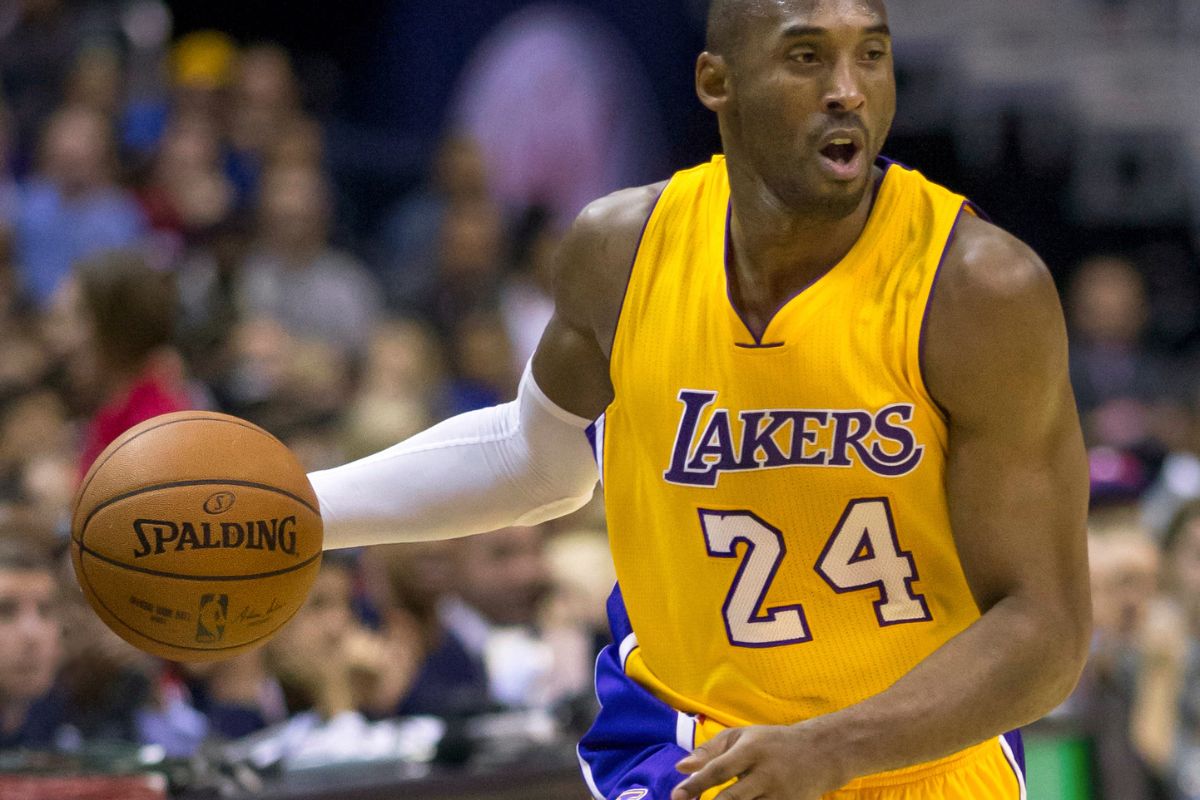
Take Kobe Bryant, for example. His legendary “Mamba Mentality” wasn’t just a slogan, it was a lifestyle. Stories of 4 a.m. workouts, relentless film study, and an almost obsessive drive to outwork opponents became the foundation of his legacy.
This isn’t unique to basketball.
In baseball, Derek Jeter built a career on preparation and composure. In hockey, Wayne Gretzky famously said he succeeded not by skating where the puck was, but where it was going.
The pattern is clear: elite athletes don’t just react, they anticipate, prepare, and outwork.
The Mental Game Is Everything
When the physical playing field is even, the mind becomes the ultimate weapon.
Clutch performance is one of the most talked-about and least understood—traits in sports. Why do some athletes thrive under pressure while others falter?
Look at Serena Williams. Time and time again, she delivered in the biggest moments, not because she avoided pressure, but because she embraced it. The same can be said for Cristiano Ronaldo, whose confidence and mental toughness have defined his career.
Sports psychologists often point to visualization, emotional control, and routine as key factors. The best athletes don’t just practice physically—they rehearse success mentally.
They’ve already “won” the moment in their minds before it happens in real life.
Discipline Over Motivation
Motivation is unreliable. It comes and goes. Discipline, however, is what builds dynasties.
This is one of the most overlooked truths in sports. Fans see the game-winning shot, the walk-off home run, or the championship celebration but they don’t see the years of repetition behind it.
Sidney Crosby is a perfect example. Known for his meticulous attention to detail, Crosby has spent his entire career refining small aspects of his game, faceoffs, positioning, stickhandling, long after he became a superstar.
That level of discipline creates longevity. It’s why some athletes dominate for a few years, while others stay elite for decades.
Adaptability: The Secret to Longevity
Sports evolve. Rules change. Opponents get faster, stronger, and smarter.
The athletes who survive and thrive are the ones who adapt.
Tiger Woods reinvented his swing multiple times throughout his career. Roger Federer adjusted his playing style to extend his dominance well into his 30s.
Even in team sports, adaptability is critical. Players who can evolve with the game remain valuable, while those who rely solely on natural ability often fade.
This is especially relevant today, where data analytics and advanced scouting mean every weakness is exposed quickly.
The best don’t resist change, they embrace it.
Leadership Without Words
Not every great athlete is loud. In fact, some of the most impactful leaders say very little.
Leadership in sports often shows up in actions rather than speeches.
Think about how Tim Duncan led the San Antonio Spurs dynasty. Quiet, consistent, and fundamentally sound, Duncan set the tone for an entire organization without ever demanding the spotlight.
Teammates follow what they see. Effort, accountability, and composure are contagious.
The greatest athletes elevate everyone around them, not just with words, but with standards.
The Obsession With Winning
At the core of every all-time great is a near-unhealthy obsession with winning.
Not fame. Not money. Not stats.
Winning.
Michael Jordan was notorious for taking everything personally, using even the smallest slight as motivation. Tom Brady famously carried a chip on his shoulder despite unparalleled success.
This mindset creates an edge that never disappears. Even after championships, MVPs, and records, the hunger remains.
And that’s what separates legends from stars.
Why This Matters to Fans
Fans often debate stats, rankings, and championships when comparing athletes. But the truth is, the most important qualities can’t always be measured.
The invisible edge, the habits, mindset, discipline, and obsession, is what truly defines greatness.
It’s why some athletes rise above eras, dominate across generations, and leave legacies that outlast the game itself.
And it’s also why the conversation around “the greatest of all time” will never truly end.
Because greatness isn’t just about what you see.
It’s about everything you don’t.
Image Credit Wikimedia Commons Keith Allison