Why Championship Windows Close Faster Than Fans Expect
In sports, success is often described as cyclical. Teams rise, contend, fall, and rebuild only to rise again. In theory, that rhythm sounds predictable. In reality, championship windows are far more fragile than fans want to believe, and they often close long before anyone is ready to admit it.
Across every major league, history is filled with teams that looked positioned to dominate for years, only to watch their title hopes disappear almost overnight. The reasons are rarely simple, but the pattern is remarkably consistent.
Talent Is Temporary, Even at the Top
Elite players are the foundation of any contender, but talent alone does not guarantee longevity. Injuries, age, contract disputes, and sudden declines can derail even the most promising cores.
A roster built around stars in their prime can look unstoppable one season and vulnerable the next. Athletes age differently, bodies break down unpredictably, and the margin between dominance and mediocrity is thinner than it appears. One major injury or one unexpected drop-off can shift an entire franchise’s trajectory.
Teams that assume their stars will remain elite indefinitely often learn the hard way that peak performance is fleeting.
The Salary Cap Is an Unforgiving Opponent
In capped leagues, success creates its own problems. Winning teams must eventually pay the price for drafting well and developing talent. Role players become starters elsewhere. Stars command maximum contracts. Depth erodes.
What once was a balanced roster turns top-heavy, forcing teams to rely on minimum contracts, aging veterans, or unproven prospects to fill critical roles. That loss of depth often shows up in the postseason, where flexibility and matchup options matter most.
Championship windows don’t just close because teams get worse, they close because they become financially inflexible.
The League Never Stands Still
While contenders focus on defending their position, the rest of the league is relentlessly adapting. Rebuilding teams stockpile draft picks. Rivals make aggressive trades. New stars emerge faster than expected.
Dominance rarely goes unchallenged. Strategies that worked one year are studied, countered, and exposed the next. Coaching innovations spread quickly, and what once felt like a competitive edge can turn into a liability.
Standing still in professional sports is the same as falling behind.
Coaching and Culture Matter More Than Fans Realize
When championship teams fall apart, the conversation usually centers on players. But coaching changes, locker-room chemistry, and organizational philosophy often play a bigger role than box scores suggest.
A system that maximizes talent requires buy-in, stability, and trust. Once cracks appear, whether through internal conflict, leadership turnover, or philosophical shifts, performance can slip rapidly.
Sustained success demands alignment from ownership to the locker room. Lose that, and even loaded rosters struggle to stay elite.
Timing Is Everything
Championships often come down to timing rather than dominance. A healthy roster at the right moment. Favorable matchups. A bounce of the ball. A missed call or a clutch performance.
Because so much is outside a team’s control, windows are narrower than they seem. Miss one opportunity, and the next may never arrive, especially once contracts expire and rosters turn over.
This is why teams that hesitate at the deadline or delay an all-in move frequently regret it later.
The Hardest Lesson for Fans
Fans naturally grow attached to cores they believe can win together for years. But history shows that teams must be ruthless, proactive, and occasionally uncomfortable to stay competitive.
Great organizations don’t cling to what worked yesterday. They anticipate decline before it’s obvious, make tough decisions early, and accept short-term criticism to avoid long-term collapse.
Championship windows don’t slam shut with a warning. They fade quietly, one injury, one contract, one lost edge at a time.
And by the time everyone agrees the window is closed, it usually has been for a while.
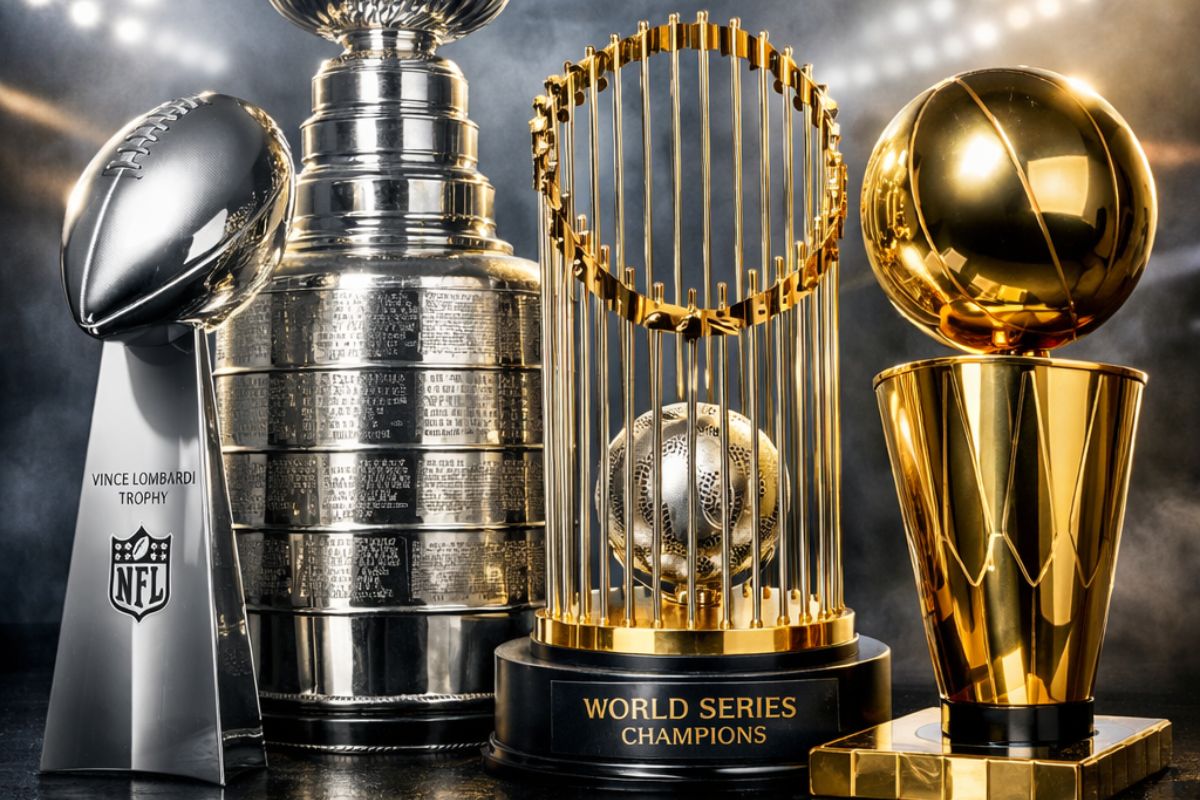
Image Credit AI Generated