Fans Say “Live Sports Don’t Feel Fully ‘Live’ Anymore,” and One Trend Keeps Getting Blamed – “You Already Know What Happened Online”
Fans say “live sports don’t feel fully ‘live’ anymore,” and one trend keeps getting blamed, “you already know what happened online”, as instant highlights, alerts, and social media reactions continue changing how games are experienced in real time.
Big Moments Now Spread Online Instantly
According to fans, major plays used to feel surprising when watching the broadcast live. Now, clips and reactions appear online within seconds. Many viewers accidentally see results before the moment reaches their screen. And that ruins the suspense they once expected from live sports.
“The Internet Is Always Ahead of the Broadcast”
That complaint appears constantly in fan discussions. Streaming delays, notifications, and online clips often move faster than television feeds. People say they hear reactions from phones before seeing the actual play. And the emotional timing feels broken.
Group Chats Became Unexpected Spoilers
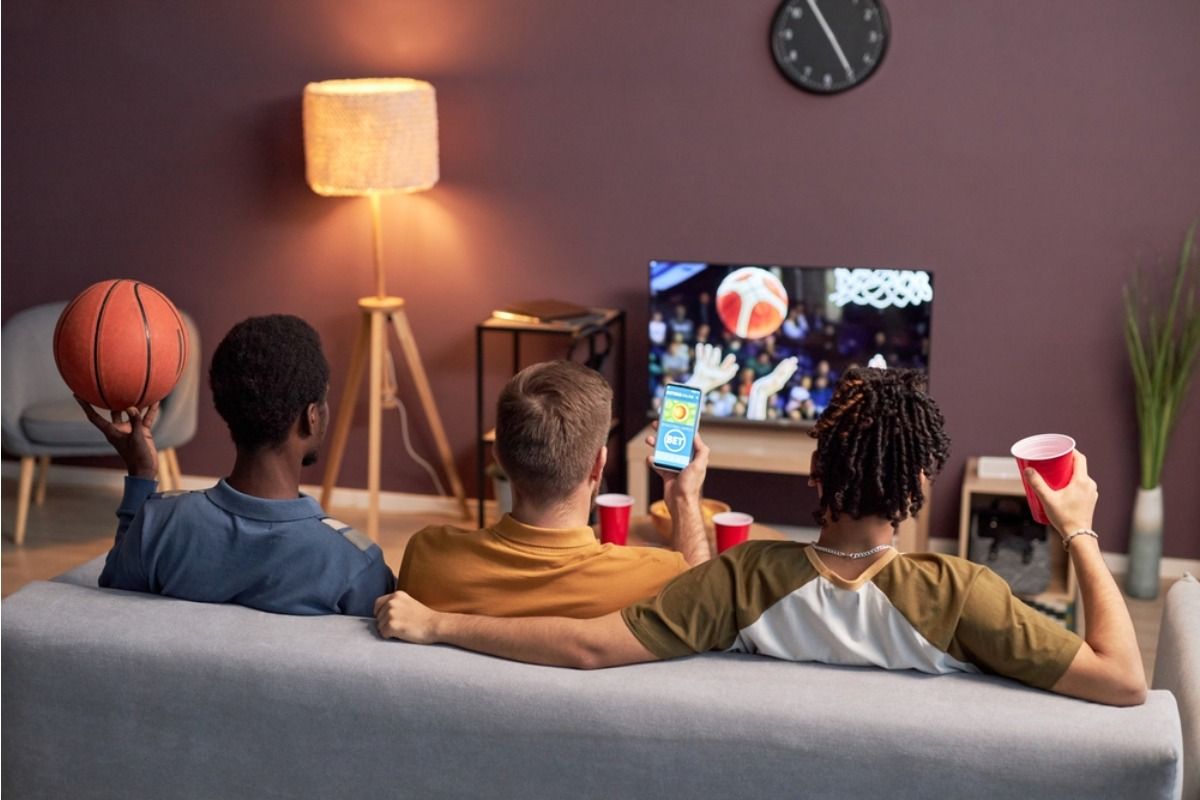
Fans say even private conversations now spoil games unintentionally. Friends watching on faster streams or at stadiums react immediately in group chats. By the time others see the play, the surprise is gone. And watching together remotely feels harder than before.
Alerts and Notifications Ruin Key Moments
Many viewers describe trying to avoid sports apps during games. Final scores, injury updates, and highlights appear automatically on phones. Even without opening apps, notifications still appear. And fans say avoiding spoilers now requires effort.
Streaming Delays Made the Problem Worse
According to viewers, streaming services often run behind live broadcasts. Some streams are delayed by several seconds or even longer. Meanwhile, social media reactions happen instantly. And this mismatch creates frustration during major games.
“Everyone Reacts Before You See It”
Fans say hearing cheers, online posts, or text messages before seeing the moment yourself changes the experience completely. Instead of surprise, there’s anticipation of something already known. And emotional reactions feel weaker because the outcome is expected.
Highlights Replaced Full Live Viewing
Many people now consume sports mainly through clips rather than uninterrupted broadcasts. Viral moments spread faster than the games themselves. Fans often know the biggest plays hours before sitting down to watch. And the idea of fully “live” viewing feels less common.
Stadium Videos Spread Faster Than TV Feeds
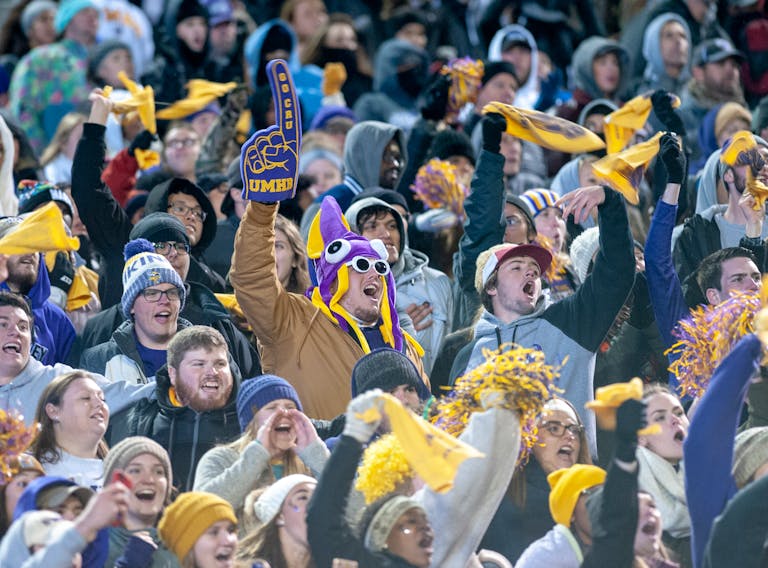
Fans at live events frequently upload clips before broadcasters even replay them. Social platforms fill with reactions instantly from inside the arena. This creates a strange situation where unofficial footage reaches viewers first. And the official broadcast feels delayed.
Some Fans Avoid the Internet Entirely During Games
To preserve suspense, some viewers reportedly mute notifications or avoid social media completely. Others delay opening messages until after games end. But fans say this level of effort feels exhausting. And it changes the casual enjoyment of sports.
Broadcasters Are Struggling to Keep Pace
Sports networks reportedly face pressure to adapt to faster digital reactions. Some increase real-time updates and interactive features. Others try to reduce stream delays where possible. But fans still say the internet moves faster than traditional broadcasting.
Younger Fans See Spoilers Differently
Not everyone views this trend negatively. Some younger viewers say instant updates are part of modern sports culture. They enjoy reacting online while games happen. And they care more about sharing moments quickly than preserving suspense.
Nostalgia Fuels Comparisons to Older Sports Culture
Older fans often compare current viewing habits to earlier eras of television. Back then, most viewers experienced major plays at roughly the same time. Shared surprise felt more common. And today’s fragmented timing makes that era feel emotionally different.
A Shift From Shared Suspense to Instant Awareness
In the end, the situation isn’t just about spoilers, it’s about how digital culture transformed live sports from a synchronized shared experience into a constantly updated online event, where fans often know what happened before the broadcast can even catch up.