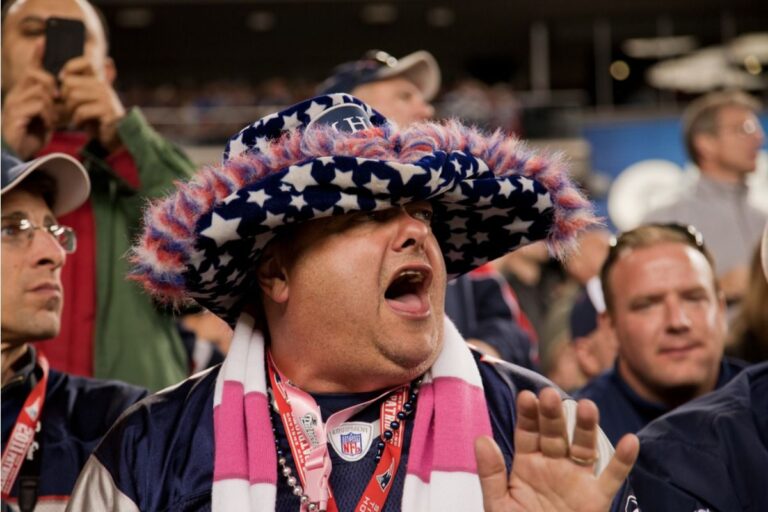

Fans Say “Home Game Atmospheres Don’t Feel the Same Anymore,” and One Thing Keeps Getting Blamed – “It’s Too Quiet Now”
Fans say “home game atmospheres don’t feel the same anymore,” and many are pointing to one recurring complaint—“it’s too quiet now”—as stadium energy, crowd behavior, and modern viewing habits continue reshaping the experience of live sports.
The Shift Fans Say They Can Feel Immediately
According to long-time attendees, the difference is noticeable the moment they walk into modern arenas. They describe a lack of raw noise compared to past decades. Even big moments don’t always trigger the same reaction. And many say the emotional intensity feels softened.
“Used to Be Loud From Start to Finish”
Older fans often recall constant chanting, shouting, and coordinated crowd energy. They say stadiums used to feel unpredictable and alive at every moment. Now, they describe more scattered reactions. And the overall sound level feels more controlled than chaotic.
Corporate Seating Changed the Crowd Dynamic
One commonly mentioned factor is the rise of premium and corporate seating. Fans say these sections are often quieter and less reactive. People are more focused on hospitality than cheering loudly. And that reportedly affects the overall atmosphere more than expected.
Mobile Phones Distract from the Game
Many fans also blame constant phone use during matches. Instead of watching every play closely, people are recording, scrolling, or checking updates. Reactions often come seconds later or not at all. And that delay, fans say, breaks the natural flow of excitement.
“Everyone Is Watching, But Not Reacting”
That phrase has been widely shared online. Fans say people still attend games, but emotional reactions feel muted. Big plays that once caused instant noise now take longer to register in the crowd. And sometimes the moment passes before the stadium fully reacts.
Ticket Prices Changed Who Attends Games
Another factor often discussed is affordability. Fans argue that rising prices have changed the audience mix. Some say the most passionate supporters are being priced out. And they feel this has reduced the intensity of traditional home advantage.
Younger Fans Experience Games Differently
Younger audiences reportedly engage with sports in more digital ways. They follow highlights, clips, and social media reactions rather than continuous live cheering. Fans say this creates a different rhythm in stadiums. And it contributes to the perception of quieter environments.
Teams Have Introduced Controlled Entertainment
Modern arenas now use music, prompts, and organized fan moments to generate noise. Some fans say this feels artificial compared to spontaneous crowd reactions. Instead of natural buildup, energy is often directed or timed. And that can reduce authenticity.
Players Notice the Difference Too
According to some athletes’ comments, home advantage still exists but feels less intense. Players say certain venues are no longer as intimidating as they once were. They notice fewer sustained loud moments from the crowd. And that changes the psychological impact of home games.
Social Media Amplifies Nostalgia
Fans online often compare today’s atmosphere to highlight clips from older games. These comparisons tend to exaggerate the contrast between past and present. Viral posts frequently label modern crowds as “quiet” or “flat.” And that reinforces the perception of change.
Not All Fans Agree With the Criticism
Some attendees argue the atmosphere hasn’t declined—it has simply evolved. They say fans are still engaged but in different ways. Cheering may be more situational than constant. And they believe nostalgia is influencing how people judge the present.
A Changing Definition of “Home Advantage”
In the end, the situation isn’t just about noise levels—it’s about how modern sports culture is reshaping stadium identity, where traditional loud, unified crowds are being replaced by a more digital, commercial, and fragmented experience that fans interpret very differently depending on perspective.