
Fans Say “Big Game Moments Aren’t Shared Like They Used To Be,” and One Habit Keeps Coming Up – “Everyone Replays It Alone”
Fans say “big game moments aren’t shared like they used to be,” and many are pointing to one habit in particular, “everyone replays it alone”, as sports viewing becomes more personalized, fragmented, and digitally isolated than ever before.
The Shift From Living Rooms to Individual Screens
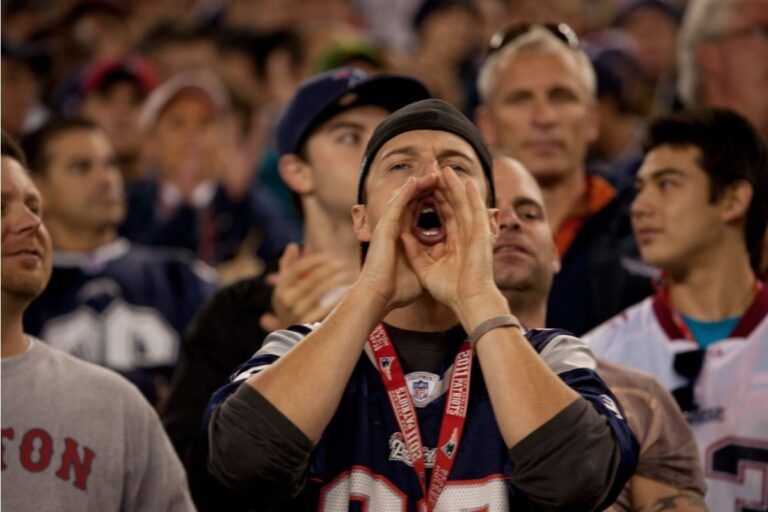
According to fans, big moments used to be experienced together in one place. People would gather in living rooms, bars, or stadiums and react at the same time. Now, even when people are physically together, they often watch on separate devices. And that shared emotional timing has started to fade.
“We Used to All React at Once”
Long-time viewers say the biggest change is synchronization. In the past, a major play triggered immediate collective noise—cheering, shouting, jumping up. Today, reactions are often delayed or muted. And fans say the “instant group explosion” of emotion is disappearing.
Highlights Are Replacing Live Sharing
One major reason fans point to is highlight culture. Instead of watching entire games together, people often wait for clips. Social media delivers instant replay moments seconds after they happen. And that means people are no longer experiencing surprises at the same time.
Everyone Watches at Their Own Speed Now
Streaming has changed how people consume sports entirely. Some viewers pause, rewind, or skip moments entirely. Others watch delayed broadcasts while already knowing the outcome. And that breaks the shared timing that once defined big game emotions.
Group Chats Replaced Group Reactions
Fans say group chats have replaced physical reactions, but they don’t feel the same. Instead of loud collective cheering, people send emojis or short messages. Reactions happen through phones rather than voices. And the emotional energy feels less intense.
“I Watched It Twice Before You Even Saw It”
That phrase is becoming common among fans. Because of clips and instant updates, people experience moments at different times. One person might watch a highlight immediately while another sees it hours later. And that destroys the feeling of shared surprise.
Even Watching Together Feels Different
Fans say even when people gather in the same room, attention is divided. Some are scrolling, some are recording, some are checking stats. The game is no longer the only focus in the room. And that makes reactions feel scattered instead of unified.
Players Notice the Delayed Energy Too
Some athletes and commentators have mentioned that crowd reactions feel less immediate in modern viewing culture. They say big moments still happen, but the collective emotional wave feels softer. And they believe digital distractions play a major role in that change.
Social Media Turns Moments Into Personal Experiences
Instead of reacting together in real time, fans now process moments individually online. People post reactions, rewatch clips, and analyze plays separately. Each viewer builds their own version of the moment. And that reduces the sense of shared experience.
Nostalgia Makes the Difference Feel Bigger
Many fans admit that older experiences may feel more unified in memory than they actually were. But comparing past and present highlights the contrast sharply. Viral posts often emphasize “we used to experience this together.” And that fuels the perception of decline.
Not Everyone Sees It as a Loss
Some fans argue that sharing hasn’t disappeared, it has just changed form. They say reactions are now global instead of local. People connect across platforms rather than rooms. And they believe the emotional experience is still strong, just more spread out.
A Shift From Shared Moments to Individual Replays
In the end, the situation isn’t just about sports viewing, it’s about how modern media has reshaped collective excitement, where big game moments are no longer always experienced together in real time, but instead replayed, processed, and reacted to individually before they ever become truly shared.