Why Even Big Games Don’t Feel “Big” Anymore
There was a time when a major sports game felt like an event you planned your entire day around. You didn’t just watch it—you cleared your schedule for it. Whether it was the Super Bowl, the Stanley Cup Finals, or a playoff Game 7, everything about it felt larger than life.
But today, many fans are asking the same question: why don’t even the biggest games feel as “big” anymore?
It’s not that the stakes are lower. If anything, championships, rivalries, and playoff runs matter just as much on paper. The difference is how we experience them—and how much that experience has changed in a very short time.
The Attention Era Changed Everything
One of the biggest shifts is simple: attention spans have changed.
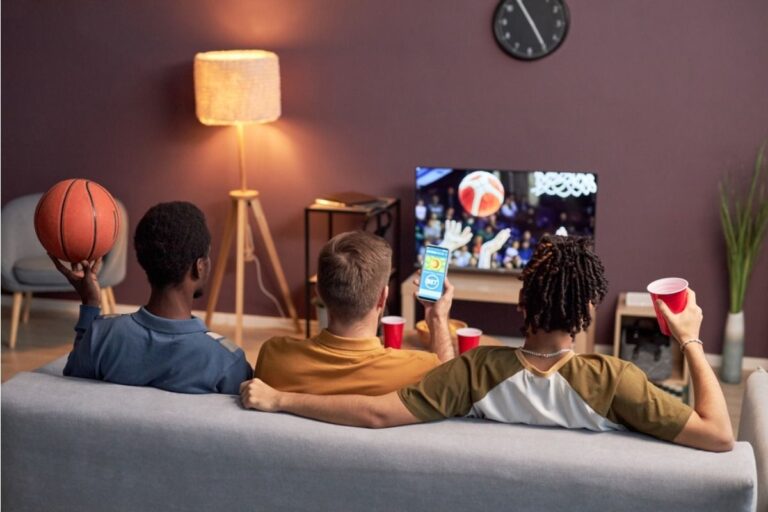
Modern sports fans don’t consume games the way they used to. Instead of sitting through three hours of uninterrupted action, many are watching condensed highlights, checking score updates on their phones, or scrolling social media reactions in real time.
Even during the game itself, attention is split. A big play doesn’t just live in the stadium or on the broadcast anymore—it instantly becomes a clip, a meme, or a talking point online.
That constant fragmentation makes it harder for any one moment to feel “special” for long.
A game that used to feel like a single shared experience is now broken into thousands of small digital moments.
Too Much Access Has Changed the Magic
Another major factor is access.
In the past, watching a big game meant sitting down at a specific time, on a specific channel, with limited replay options. You didn’t want to miss anything because once it was gone, it was gone.
Now, every angle, replay, stat breakdown, and highlight is instantly available. If you miss a goal, touchdown, or knockout moment, you can watch it 10 seconds later from five different perspectives.
While that’s great for convenience, it also removes scarcity—the very thing that used to make big moments feel bigger.
When everything is always available, nothing feels rare.
Commercial Overload Is Hard to Ignore
Fans also point to another issue: the constant commercialization of sports.
Games today are surrounded by advertisements, sponsorships, branded segments, and promotional content that didn’t exist at the same level decades ago. Even jerseys, stadium names, and replay graphics are tied to corporate branding.
For some viewers, this creates a feeling that the game is no longer just about the sport itself, but about everything surrounding it.
Instead of getting lost in the emotion of competition, fans are constantly reminded they are also part of a business ecosystem.
That subtle shift changes how “big” a big game actually feels.
Social Media Has Replaced the Collective Experience
There was a time when everyone watched the game together in real time, and the only reaction came from people in your living room, a bar, or the stadium.
Now, social media has replaced that shared environment.
Instead of reacting with the people around you, fans are reacting to thousands of strangers online. Every controversial call, bad play, or incredible highlight is immediately debated, analyzed, and sometimes torn apart within seconds.
This creates a strange effect: instead of the game being the main event, the discussion around the game becomes the main event.
And once that happens, the game itself can feel secondary.
Are Games Actually Worse—or Just Different?
This is where the debate gets interesting.
Some fans argue that sports themselves haven’t changed that much. The athleticism is higher than ever, players are more skilled, and competition is more global.
From that perspective, the games aren’t worse—they’re just experienced differently.
Others disagree and say something intangible has been lost. They point to less loyalty to teams, faster player movement between franchises, and the rise of “superteams” that reduce long-term rivalries.
When dynasties are harder to build and players switch teams frequently, it can be harder for fans to form deep emotional connections.
And without emotional investment, even the biggest games can feel strangely flat.
The Nostalgia Factor Is Powerful
It’s also worth acknowledging one major influence: nostalgia.
Many older fans remember a time when watching sports felt simpler. There were fewer distractions, fewer platforms, and fewer ways to engage with the game outside of watching it live.
But nostalgia has a way of smoothing over the rough edges of the past. Games from years ago weren’t necessarily more exciting—they just felt more focused because everything else in life and media was less fragmented.
Today’s fans are comparing a highly connected digital experience to a memory that was far more limited by design.
That comparison is not always fair, but it is powerful.
The Stadium Experience vs. the Home Experience
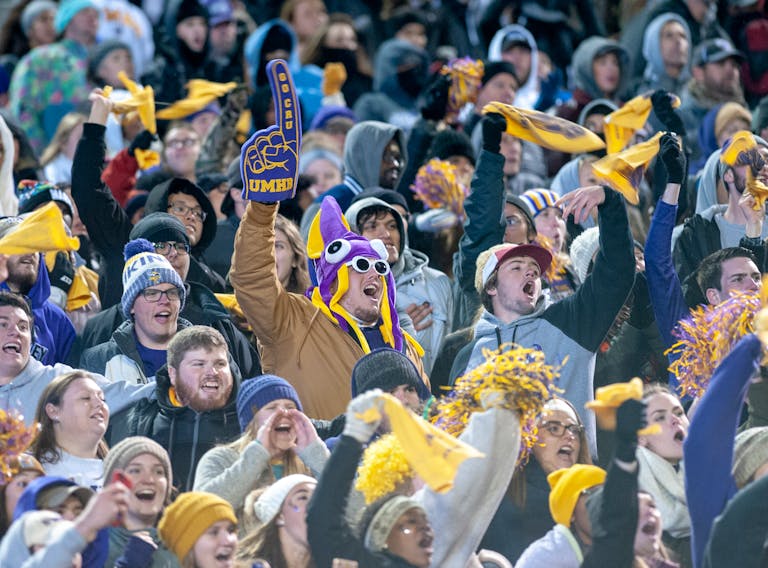
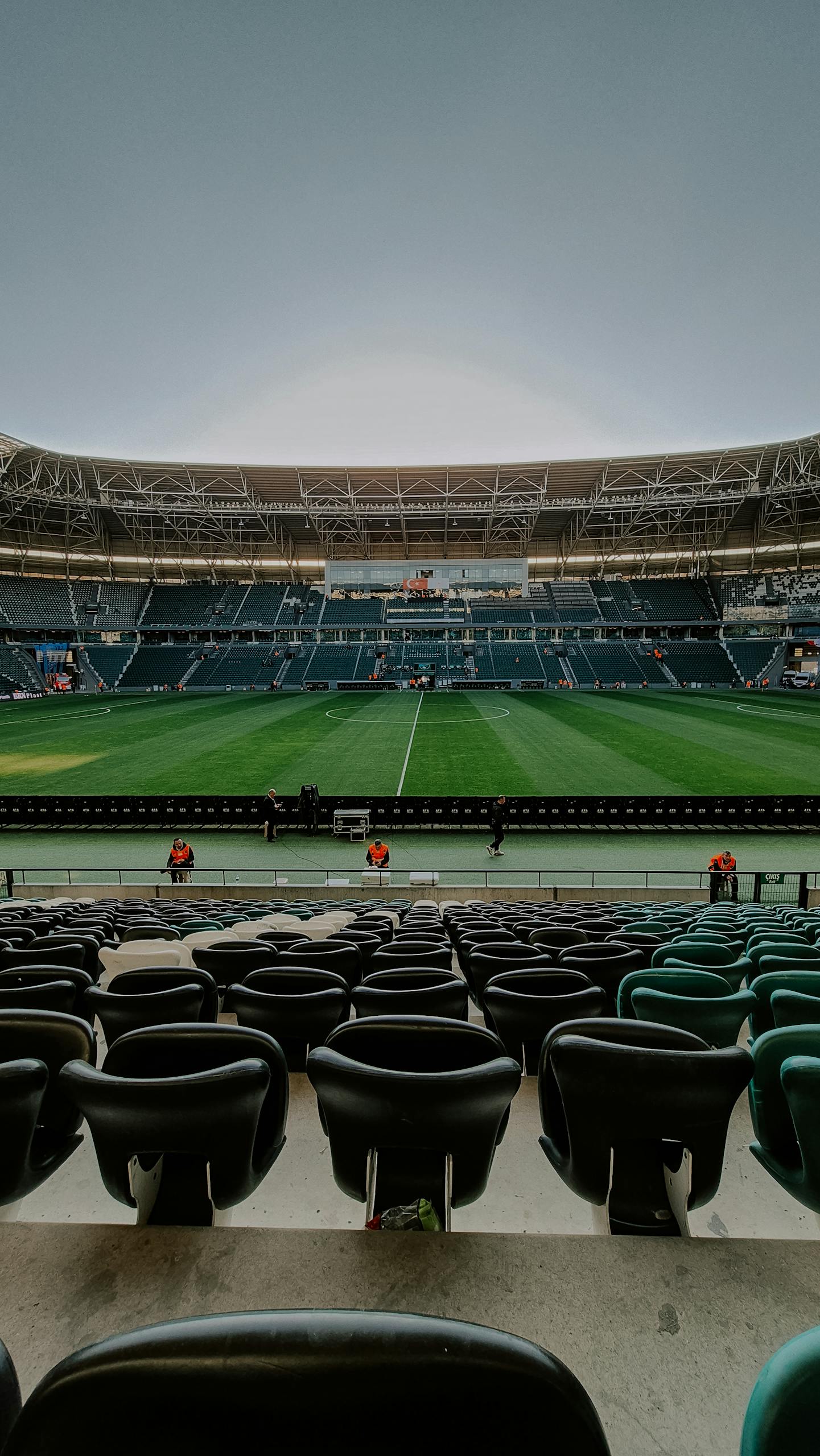
Interestingly, live attendance hasn’t lost its impact in the same way.
Being in a stadium during a major game still carries energy, noise, and emotion that television struggles to replicate. In many cases, it’s more intense than ever.
But for home viewers, the experience has changed significantly. With second screens, instant replays, commentary overload, and constant online reaction, the emotional arc of a game is constantly interrupted.
It’s harder for tension to build—and harder for it to stay.
So Why Don’t Big Games Feel Big Anymore?
The answer isn’t simple, but it likely comes down to a combination of factors:
- Attention is fragmented
- Access is unlimited
- Commercial content is unavoidable
- Social media splits the shared experience
- Fan loyalty is more fluid
- Nostalgia reshapes expectations
None of these alone ruin the experience. But together, they change how sports feel at a fundamental level.
Big games still exist. The stakes are still real. The talent is still elite.
But the feeling—that sense that “everyone is watching this together and nothing else matters”—is harder to find.
And for many fans, that’s what’s actually missing.
Because in the end, it was never just about the game.
It was about how it made you feel while watching it.