If You Grew Up Watching Full Games, You Won’t Like What’s Happening Now
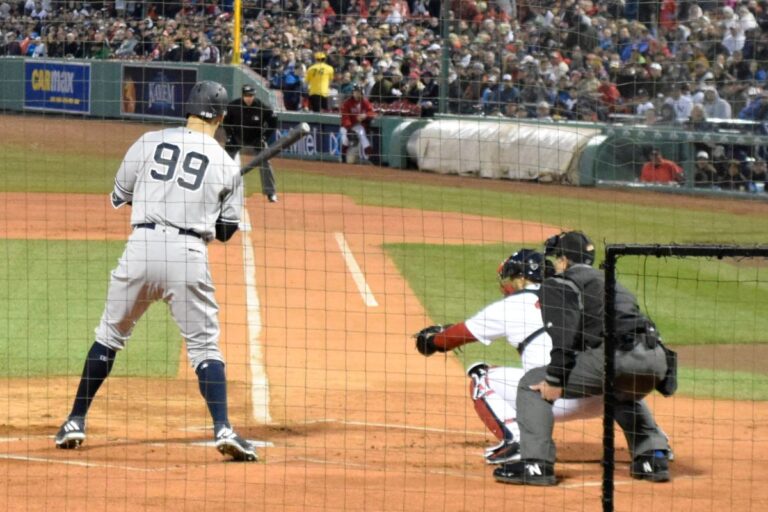
For decades, watching sports meant one thing: sitting down, tuning in, and staying locked in for the full game. Whether it was a Sunday football matchup, a late-night hockey game, or a weekend baseball broadcast, fans built their routines around the rhythm of full-length sports. You didn’t just watch the highlights — you lived the entire game.
But something has changed.
And depending on who you ask, it’s either the natural evolution of sports media… or the slow disappearance of what made sports special in the first place.
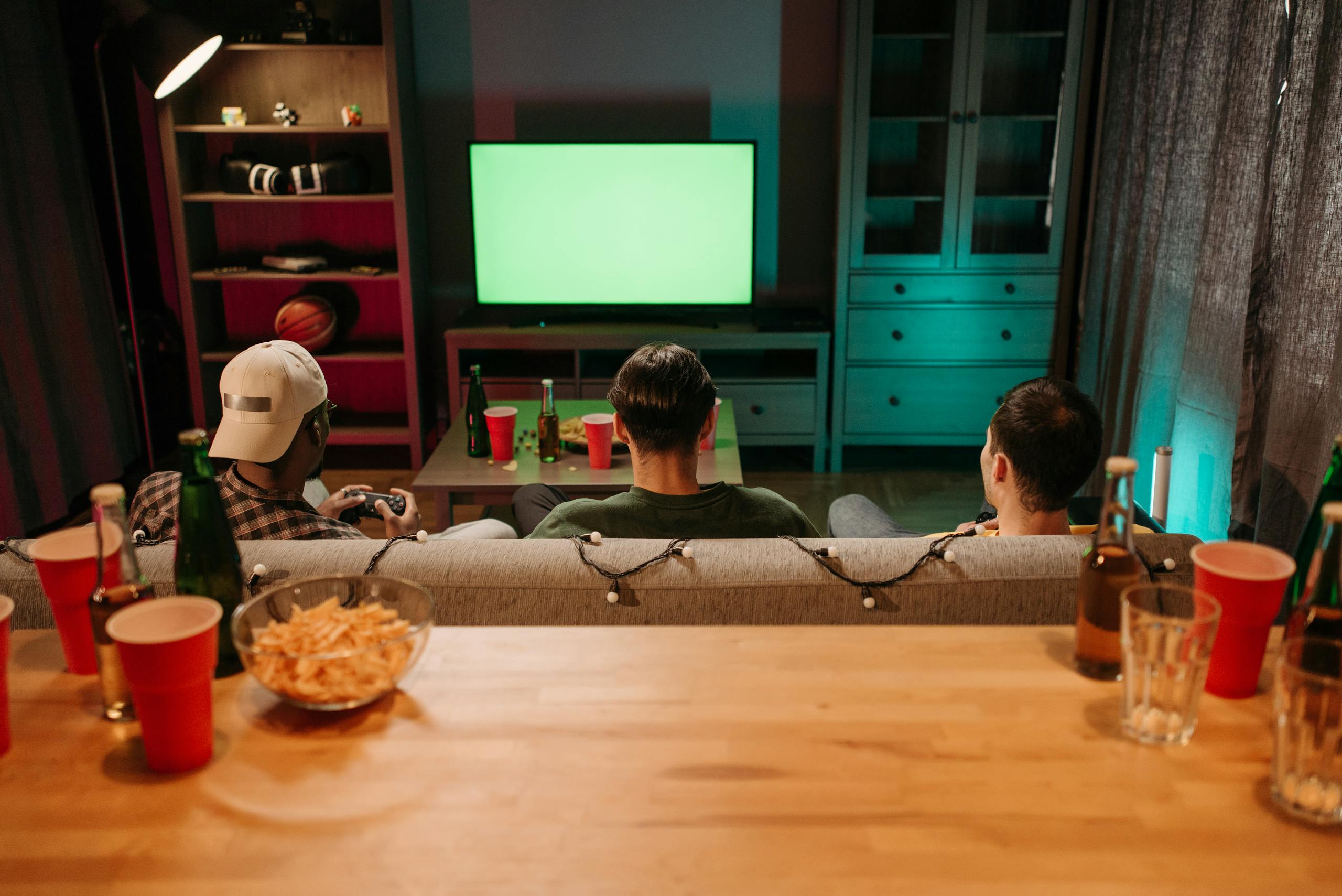
Today, younger fans are consuming sports in a completely different way. Instead of sitting through three hours of live action, many are watching 30-second clips, condensed highlights, or even just the “best plays” posted to social media seconds after they happen. Entire games are being skipped, while highlight culture is taking over timelines.
And for longtime fans, that shift doesn’t feel small — it feels like a turning point.
The Rise of the “Highlights-Only” Fan
Scroll through any major sports league’s social media feed and you’ll notice something immediately: the highlight is now the product, not the game.
A dunk, a goal, a touchdown, a fight, a buzzer-beater — these moments are clipped, edited, and pushed to millions of viewers instantly. In many cases, fans no longer need to watch the broadcast at all. Everything important is packaged for them in under a minute.
For younger audiences especially, this isn’t seen as “missing the game.” It’s seen as efficiency.
Why watch 48 minutes of basketball when you can see every dunk in 90 seconds? Why sit through four hours of baseball when the home runs are already on your feed before the inning even ends?
This shift has created a new type of fan — one who follows sports intensely, but not continuously.
Older Fans See Something Different
For fans who grew up watching full games, this change feels almost uncomfortable.
To them, sports were never just about the highlights. They were about everything in between — the slow build, the momentum swings, the strategy, the mistakes, the downtime, and the tension that only comes from watching it unfold in real time.
A baseball game wasn’t just a home run. A hockey game wasn’t just a goal. A football game wasn’t just a touchdown.
It was the story that led to those moments.
That’s why many older fans say today’s sports consumption feels “empty” or “incomplete.” When you only see the ending, you miss the emotional journey that made the ending matter in the first place.
Attention Spans or Changing Expectations?
One of the biggest debates around this shift is whether attention spans are actually shrinking — or if expectations are simply evolving.
Some argue that younger fans are less patient and more distracted than ever, shaped by TikTok, YouTube Shorts, and algorithm-driven content. Everything is faster, shorter, and more immediate. Sports naturally had to adapt.
Others argue it’s not about attention span at all. Instead, they say fans are simply optimizing how they consume entertainment. If the best parts of the game can be delivered instantly, why wouldn’t people take that option?
In that view, nothing is being “lost” — it’s just being filtered.
But critics of this trend worry that something important is slipping away: context.
What Gets Lost When You Skip the Game
A highlight can show you what happened. But it can’t always show you why it mattered.
A clutch shot doesn’t tell you about the 10 missed attempts before it. A game-winning drive doesn’t show the pressure building all fourth quarter. A comeback doesn’t feel the same when you skip straight to the final score.
Full games build emotional weight. Highlights remove everything except the climax.
And for many longtime fans, that emotional weight is the entire point.
This is where the frustration comes in. Some believe sports are becoming more like entertainment clips than live events — more about instant gratification than long-form storytelling.
The Stadium Experience Is Changing Too
It’s not just how fans watch from home. Even live games have changed.
Modern stadiums are no longer just places to watch sports. They’re full-scale entertainment environments. There are light shows, loud music, constant scoreboard animations, fan cams, giveaways, and nonstop engagement between plays.
For some fans, this makes the experience more exciting than ever.
For others, it’s distracting.
They argue that the sport itself used to be the main event. Now, it competes with everything happening around it.
Is This the End of Full Games?
Despite all the debate, full games are not going away. Live sports still dominate television ratings, especially for major events like championships and playoffs.
But the way fans engage with those games is clearly shifting.
A growing number of people now “follow” games without actually watching them live. They check updates on their phones, watch condensed recaps later, or rely on social media to tell them what mattered.
In many ways, sports are becoming something you experience in fragments rather than in real time.
A Generational Divide in Real Time
What makes this topic so heated is that both sides feel like they’re right.
Older fans see a loss of tradition, patience, and depth. Younger fans see a more efficient, modern way to enjoy sports without wasting time on filler.
Neither side is necessarily wrong — but they are experiencing the same product in completely different ways.
And that gap is only growing.
Final Thoughts
Sports have always evolved. Rules change, leagues expand, technology improves, and media shifts. But the current transformation feels different because it’s not just about how the game is played — it’s about how it is consumed.
If you grew up watching full games, you probably feel that difference more than anyone.
And whether you see it as progress or loss, one thing is clear: the way we experience sports will never be the same again.