Fans Say Sports Debates Have Become More Toxic Than the Actual Games Themselves
Many Fans Believe Sports Culture Online Is Starting to Ruin the Fun of Watching Games
For a lot of sports fans, watching games used to be an escape.
People would sit down with friends or family, cheer for their teams, argue a little bit, celebrate wins, complain about losses, and move on. Rivalries were intense, but most debates stayed connected to the games themselves.
Now, many fans feel sports culture has changed completely.
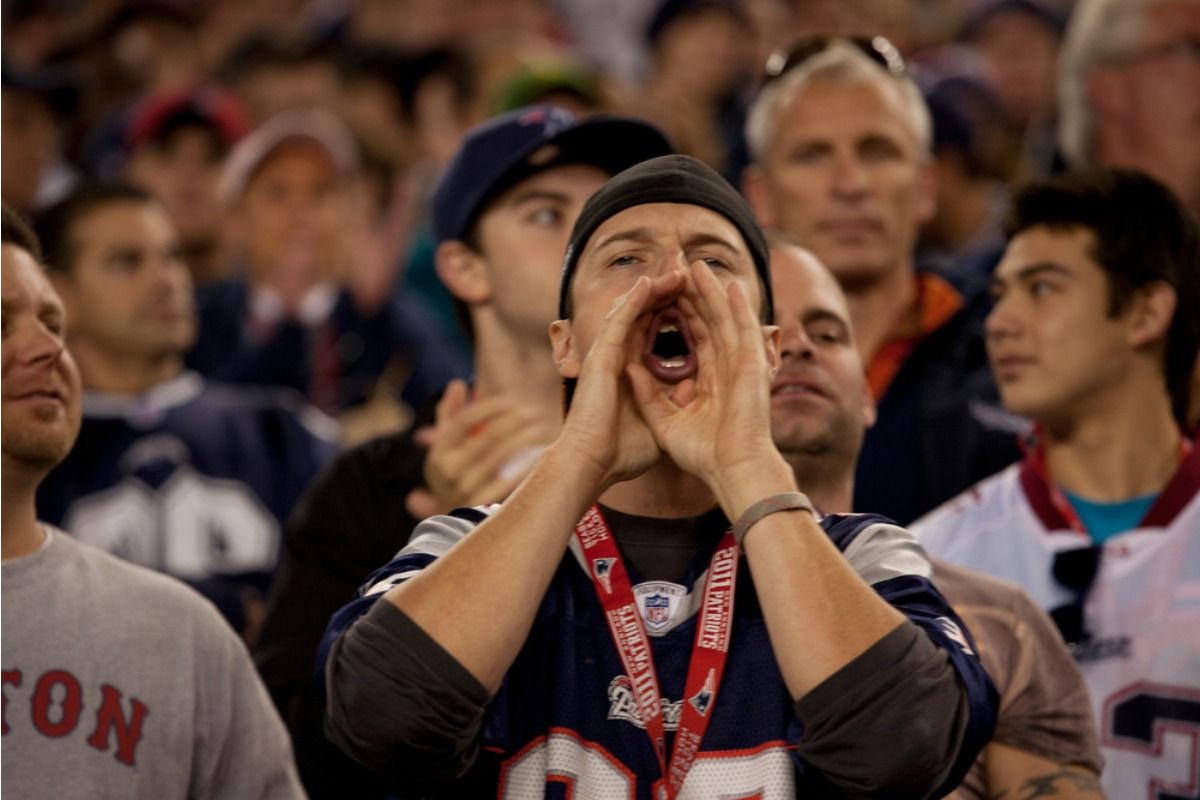
Across social media, podcasts, comment sections, and sports television, fans are increasingly arguing that sports debates have become more toxic, more personal, and more exhausting than the actual games being played. What was once fun discussion now often turns into nonstop fighting, insults, and extreme overreactions after every single performance.
And lately, more fans are starting to say they are getting tired of it.
Fans Say Every Game Now Feels Like a Battlefield Online
One major complaint fans have is how impossible it has become to simply enjoy a game without instantly being pulled into online arguments.
The moment a superstar struggles, social media explodes with criticism. If a player has a great performance, fans immediately use it to attack other athletes. Every game now seems connected to “legacy debates,” rankings arguments, or endless comparisons.
For many viewers, it feels exhausting.
A single bad playoff game can suddenly lead to thousands of comments calling players overrated, washed, soft, or frauds. One great performance instantly creates another flood of people declaring someone the greatest player alive.
Fans say there is no middle ground anymore.
Everything has become extreme.
Instead of enjoying games moment by moment, many people now seem more focused on winning internet arguments than actually appreciating the sport itself.
Social Media Changed Sports Discussions Forever
Most fans agree social media is the biggest reason sports culture feels different today.
Years ago, debates mostly happened with friends, coworkers, or local fanbases. Now every opinion becomes public instantly. Millions of people react to games in real time, and controversial takes spread faster than ever.
That environment rewards the loudest opinions.
Reasonable discussions rarely go viral. Extreme reactions do.
Fans notice this constantly during major sporting events. After one quarter, people declare games over. After one turnover, players become “trash.” After one big shot, athletes suddenly become legends. Every moment gets amplified into something massive before the game is even finished.
Many sports fans believe this has created a culture where overreacting is now normal.
And because outrage drives engagement online, the most toxic arguments usually receive the most attention.
Fans Say “Legacy Culture” Has Taken Over Sports
One phrase that keeps appearing in sports discussions lately is “legacy debates.”
Fans argue that too many people now watch sports mainly to compare careers instead of enjoying the actual competition unfolding in front of them.
Every playoff game becomes part of some all-time ranking argument. Every championship gets used to attack another player’s career. Every failure becomes ammunition for online fan wars.
Instead of talking about strategy, teamwork, coaching, or great moments, discussions often turn into repetitive arguments about who is “greater.”
Many fans say this mindset has made sports conversations feel far more toxic than they used to.
Players are no longer allowed to simply have bad games. Every mistake becomes a permanent stain on their reputation online. Fans clip failures instantly, turn them into memes, and spread them across the internet within minutes.
For older fans especially, this feels very different from previous eras.
Sports Media Gets Blamed Too
While social media takes most of the criticism, many fans also blame modern sports media itself.
Debate shows, hot takes, and nonstop controversy-driven content now dominate sports coverage. Analysts often make dramatic statements because extreme opinions generate clicks, views, and reactions.
Fans feel this has created a cycle where negativity constantly gets rewarded.
Instead of celebrating great games, sports conversations often become centered around criticism, failure, or outrage. A player scoring 40 points sometimes receives less attention than another player struggling in the same game.
Some fans believe this has changed how younger viewers experience sports entirely.
Rather than simply supporting teams or enjoying competition, many fans now feel pressured to constantly defend players online or attack rival fanbases after every game.
Rivalries Between Fans Have Become More Personal
Sports rivalries have always existed, but many viewers feel things have become far more hostile recently.
Fans now attack each other personally over sports opinions in ways that feel excessive compared to the games themselves. Arguments quickly become aggressive online, especially during playoffs, championship runs, or controversial moments.
Some fans even admit they avoid sports discussions entirely now because of how toxic conversations can become.
Instead of excitement after big games, timelines often become flooded with insults, trolling, and nonstop negativity.
Ironically, many fans think athletes themselves often show more respect toward opponents than fanbases do online.
Players hug after games, train together in the offseason, and praise each other publicly — while fans continue fighting online for days over every result.
Fans Miss When Sports Felt More Fun
One theme keeps appearing throughout all these conversations:
Fans miss when sports felt fun.
That does not mean debates should disappear entirely. Arguing about sports has always been part of the experience. Rivalries, passion, and emotional reactions are what make sports entertaining in the first place.
But many viewers feel the balance has changed.
Instead of debates adding excitement, some fans believe the nonstop negativity is now draining enjoyment from the games themselves. People seem more focused on embarrassing players, proving others wrong, or chasing viral reactions than simply appreciating great performances.
For many longtime fans, that shift feels disappointing.
The Games Are Still Great — But the Culture Around Them Feels Different
Despite all the frustration, fans still love sports. Ratings remain massive, playoff atmospheres are electric, and unforgettable moments continue happening every season.
But more viewers are beginning to separate the games themselves from the culture surrounding them online.
Because while the competition remains exciting, many fans believe the constant hot takes, outrage, and toxic arguments are making sports harder to enjoy the way they once did.
At the end of the day, most people started watching sports because they loved the excitement, the unpredictability, and the emotional connection to teams and players.
Not because they wanted every game to turn into another endless internet war.
And judging by the growing frustration online, more and more fans are starting to wish sports conversations could go back to feeling competitive without becoming completely toxic.