“Too Much Money Changed Everything” — Fans Debate Whether Sports Peaked Years Ago
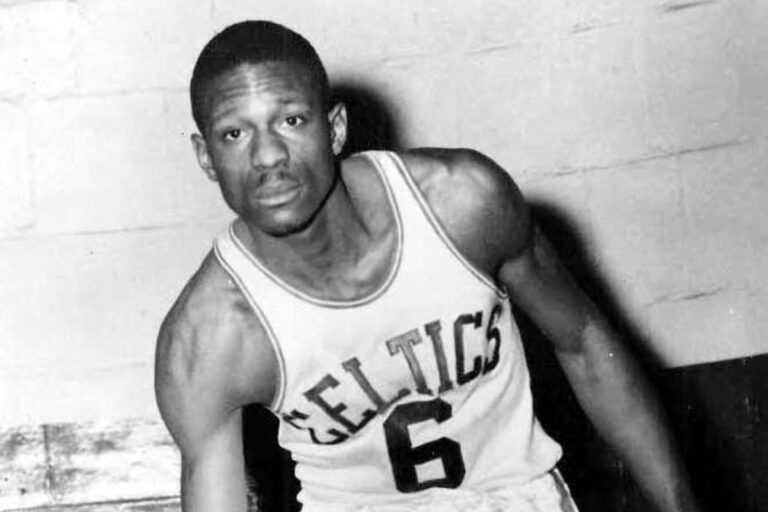
For decades, sports fans watched games because they felt raw, emotional, and unpredictable. Rivalries felt personal. Players stayed with teams for years. Championships seemed to mean everything. Even regular season games often carried real intensity.
But lately, more fans have started asking the same question online:
Did sports lose something once too much money entered the picture?
It has become one of the biggest debates across the sports world. Everywhere from social media comment sections to sports talk shows, fans are arguing over whether modern sports still feel authentic — or whether massive contracts, sponsorships, gambling partnerships, and billion-dollar television deals have changed everything.
And one opinion keeps showing up repeatedly:
“Sports peaked years ago.”
Older fans especially seem frustrated with how different the experience feels today compared to previous eras. While leagues continue making more money than ever, many longtime viewers believe the emotional connection that once made sports special has slowly faded.
Not everyone agrees, though.
Younger fans often argue that sports are simply evolving with modern culture and that today’s athletes, leagues, and media environments are facing pressures older generations never had to deal with.
Still, the debate keeps growing larger every season.
Fans Believe Loyalty in Sports Feels Almost Gone
One of the biggest complaints older fans keep bringing up is how quickly players move between teams now.
In previous generations, fans often built lifelong emotional attachments to players because stars stayed with franchises for most — sometimes all — of their careers. Those connections became part of a city’s identity.
Today, things feel very different.
Free agency, player empowerment, and massive contracts have completely changed how athletes approach careers. Superstars switching teams no longer shocks fans the way it once did.
For many viewers, that has weakened emotional investment.
Fans constantly say it feels harder to buy jerseys, fully commit emotionally to players, or build long-term rivalries when rosters change so quickly. The sense of continuity that once defined sports culture feels less stable than before.
Online discussions about “ring chasing” have become especially intense in recent years. Some fans believe athletes today prioritize championships and business opportunities over loyalty to franchises or fanbases.
Others defend players completely, arguing athletes should have the same freedom workers in every other profession have.
That disagreement sits at the center of the debate.
Massive Contracts Changed How Fans View Athletes
Money in professional sports has exploded to levels older generations never imagined possible.
Modern athletes now sign contracts worth hundreds of millions of dollars. Television rights deals continue growing. Gambling companies partner directly with leagues. Sponsorships dominate broadcasts and arenas.
For some fans, all of it has made sports feel less relatable.
Many longtime viewers say it becomes harder to connect emotionally with players making enormous amounts of money while also resting frequently, managing workloads carefully, or changing teams often.
That frustration grows even stronger during ticket price increases. Attending games has become extremely expensive for average families. Between tickets, parking, food, and merchandise, many fans feel priced out of live sports entirely.
Some online commenters argue sports once felt more connected to everyday communities, while now they feel more like giant entertainment corporations.
Fans still love the games themselves, but many believe the atmosphere surrounding sports changed dramatically.
Others Say Sports Have Always Been About Money
Not everyone agrees with the criticism.
Many younger fans point out that sports have always involved money, business decisions, and commercialization. The difference today is simply the scale.
Athletes now generate massive revenue for leagues, owners, streaming services, advertisers, and media companies. Supporters of modern sports argue players deserve to receive a fair share of that money.
They also believe fans unfairly romanticize older eras.
Previous generations had contract disputes, selfish players, team relocations, and business controversies too. Social media simply exposes every story instantly today, making everything feel more dramatic and nonstop.
Younger viewers often argue modern athletes are under pressure older generations never experienced. Every performance gets analyzed online immediately. Every mistake becomes viral within minutes. Every comment creates controversy.
From that perspective, today’s athletes are navigating a completely different environment than stars from decades ago.
Gambling Ads Became a Huge Flashpoint
One issue especially fueling the debate recently is the explosion of sports gambling advertisements.
Fans constantly complain about how heavily betting now dominates broadcasts, studio shows, podcasts, and social media discussions.
Many viewers feel modern sports coverage focuses less on the games themselves and more on betting odds, parlays, fantasy projections, and sponsorship promotions.
Older fans especially say the atmosphere feels completely different from previous eras.
For decades, sports broadcasts centered mostly around teams, rivalries, and players. Now, betting conversations often appear during nearly every segment of coverage.
Some fans believe that shift changed the emotional experience of watching games. Instead of purely cheering for teams, many viewers now focus on individual statistics, betting outcomes, or fantasy performance.
That has created concern among longtime fans who believe the culture surrounding sports feels less organic than before.
Social Media Amplifies Every Frustration
The internet has also dramatically changed how fans experience sports.
In previous generations, fans mainly watched games, read newspapers, or discussed sports locally. Today, every controversy instantly spreads online across millions of people.
That constant exposure makes negativity feel louder than ever.
One controversial referee call, one resting superstar, or one player trade can dominate sports discussions for days. Algorithms reward outrage and emotional reactions, causing debates to grow far larger than they once would have.
As a result, many fans feel exhausted by modern sports discourse itself.
Some viewers even say following sports online became more stressful than enjoyable.
Instead of simply enjoying games, fans now constantly argue about contracts, legacies, rankings, officiating, narratives, and media agendas.
That nonstop cycle contributes heavily to the belief that sports “felt better before.”
The Emotional Connection Is What Fans Miss Most
At the heart of the debate, most fans are really talking about emotion.
Older viewers often miss the feeling sports once gave them growing up. They remember intense rivalries, iconic moments, passionate crowds, and players becoming permanent symbols of cities and franchises.
Modern sports still produce incredible moments, but many fans feel the emotional attachment changed.
Some blame money.
Some blame social media.
Some blame player movement.
Some blame modern media culture entirely.
But underneath all the arguments is one common feeling:
Fans want sports to feel personal again.
That is why this debate keeps exploding online every single week.
Because even though sports continue making more money than ever before, many fans still wonder whether something important was lost along the way.
And for millions of viewers, the question keeps getting harder to ignore:
Did sports actually peak years ago?