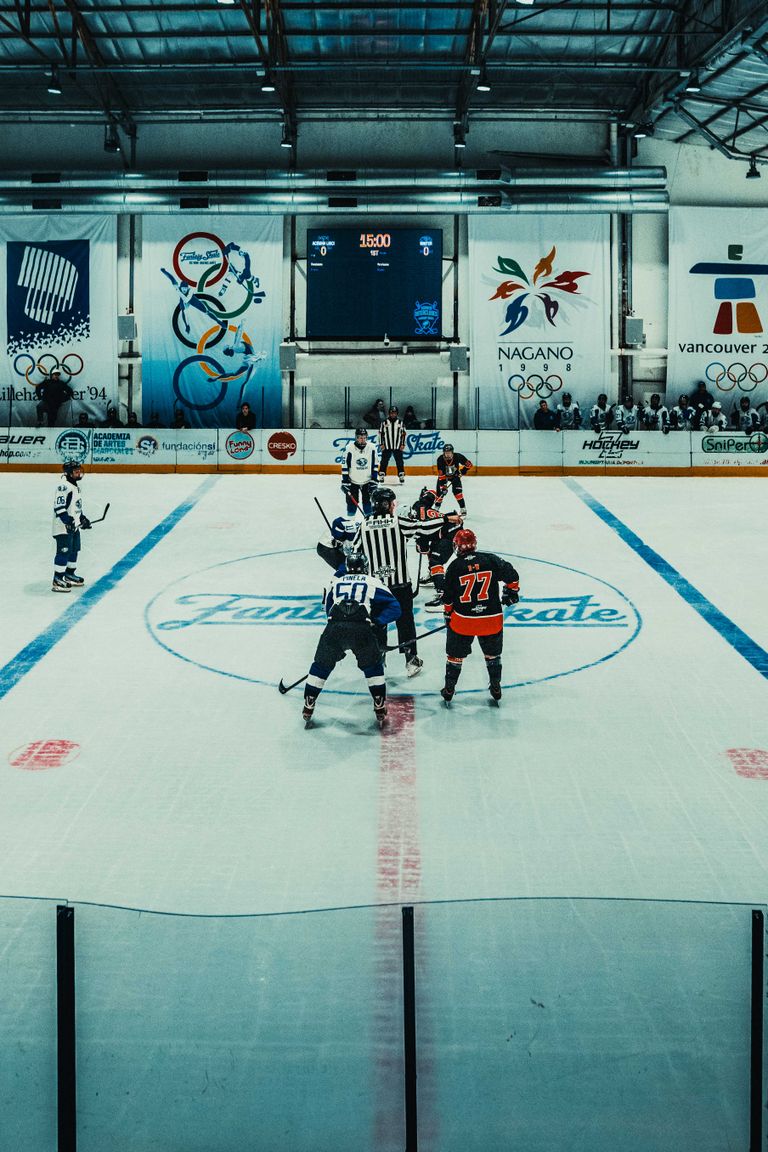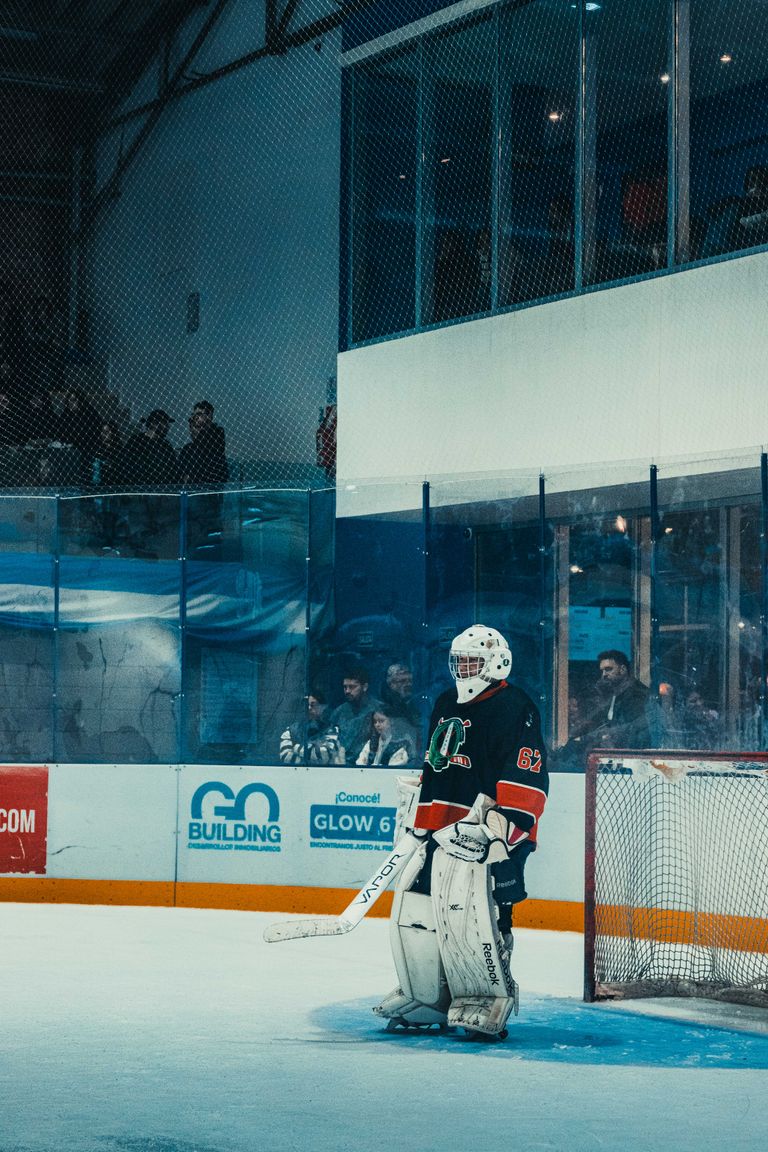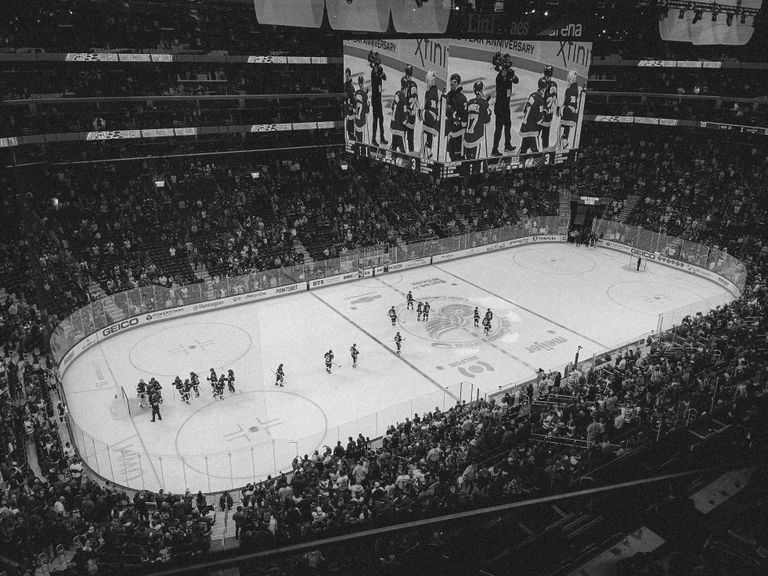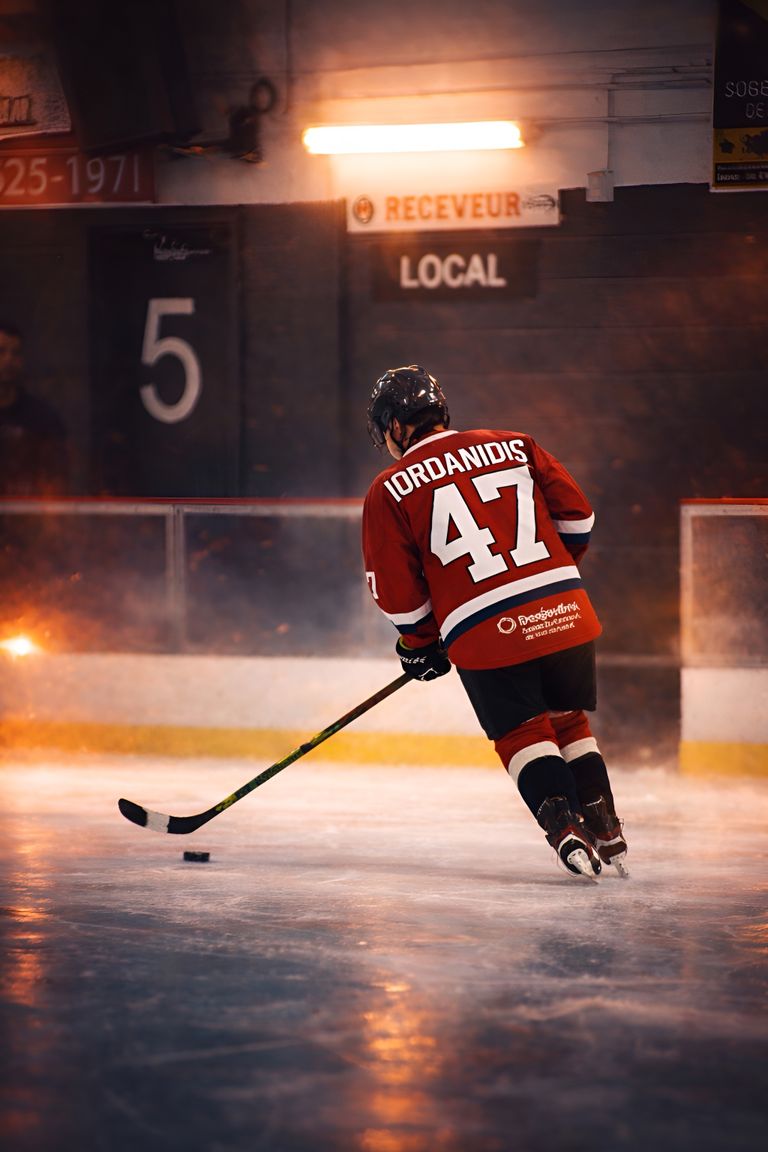

“Everybody Wants Tough Hockey Until It Happens” — Fans Are Fighting Over the Same Debate Again
Few sports embrace physicality the way hockey does.
For generations, hard hits, playoff battles, fights, and emotional rivalries have been part of what made the sport unique. Fans often celebrate toughness as one of hockey’s defining traits, and many longtime viewers still argue that physical play is essential to the identity of the game.
But every time a controversial hit occurs, something interesting happens.
The same fans who demand tougher hockey suddenly find themselves divided.
One side argues that hockey is becoming too soft and over-regulated. The other insists player safety must come first, regardless of tradition.
And once again, the debate is exploding across the hockey world.
The Hockey Contradiction Fans Can’t Escape
The conversation has become almost predictable.
Fans spend months criticizing the NHL for becoming less physical. They complain that rivalries aren’t as intense as they used to be. They argue that fighting is disappearing, players are protected more than ever, and the game has lost some of its edge.
Then a major hit happens.
Suddenly, those same fans are split into completely different camps.
One group calls the hit clean and says hockey is still a contact sport.
The other group calls for suspensions, fines, and stronger discipline.
The result is the same argument hockey fans have been having for years.
How physical should hockey actually be?
Older Fans Often See Things Differently
Many longtime hockey fans believe the sport has already changed dramatically.
They remember playoff series that felt like wars. Rivalries were personal. Hits were harder. Players settled disputes themselves. Opposing teams genuinely disliked each other.
For those fans, modern hockey sometimes feels sanitized compared to previous eras.
Whenever controversial hits result in lengthy suspensions, critics argue the NHL is slowly removing the physical elements that made hockey special.
Many point to older generations of players who survived brutal playoff runs and intense rivalries without the level of league intervention seen today.
Their argument is simple:
Hockey was always supposed to be tough.
Younger Fans Prioritize Player Safety
At the same time, a growing number of fans see things very differently.
The modern understanding of concussions, brain injuries, and long-term health effects has dramatically changed how many people view dangerous hits.
What once might have been celebrated as a highlight-reel collision is now often analyzed through a completely different lens.
Fans today have access to years of research about the long-term consequences athletes face after repeated head trauma.
Because of that, many younger viewers support stricter enforcement and stronger disciplinary action.
From their perspective, protecting players doesn’t make hockey softer.
It makes hockey smarter.
The NHL Is Stuck in the Middle
This tension creates a difficult challenge for the NHL.
The league wants to preserve the physical nature of hockey because it’s a major part of the sport’s identity.
At the same time, it cannot ignore growing concerns surrounding player safety.
As a result, the NHL often finds itself trying to satisfy two groups that fundamentally disagree on where the line should be drawn.
If the league suspends players too aggressively, some fans claim hockey is becoming soft.
If it doesn’t suspend players aggressively enough, others accuse the league of failing to protect its athletes.
No matter what decision gets made, criticism follows.
Playoff Hockey Makes the Debate Even Louder
The conversation becomes especially heated during the Stanley Cup Playoffs.
Playoff hockey has always been different.
The games become more physical. Emotions rise. Every shift matters. Players are willing to sacrifice their bodies to keep seasons alive.
Many fans consider playoff intensity one of the greatest aspects of sports.
But it’s also where controversial hits become most common.
Because the stakes are so high, every collision receives enormous attention.
A hit that might barely make headlines during a regular-season game can dominate sports discussions for days if it occurs during a playoff series.
That attention magnifies every disagreement about where physical hockey ends and dangerous hockey begins.
Fans Say Rivalries Feel Different Today
Another reason this debate continues is because many fans believe modern rivalries lack the intensity they once had.
Older fans frequently talk about legendary playoff battles that produced genuine hatred between teams.
Those rivalries helped create some of hockey’s most memorable moments.
Today’s NHL still has physical series and heated matchups, but many viewers feel the atmosphere has changed.
Players are friendlier. Social media has changed relationships. Athletes often train together during the offseason.
Because of that, some fans believe physical play is one of the few remaining ways rivalries can still feel authentic.
When the league cracks down on dangerous hits, those fans sometimes view it as another step away from what made hockey unique.
The League Has Changed for a Reason
Still, it’s important to remember why many of these changes happened.
The NHL didn’t suddenly decide to emphasize player safety for no reason.
Over the years, growing awareness surrounding concussions and long-term health concerns forced every major sports league to reevaluate how dangerous plays were handled.
Hockey wasn’t immune.
The sport has witnessed countless careers impacted by injuries that might not have received serious attention decades ago.
As medical understanding improved, league policies changed.
Whether fans like those changes or not, they largely stem from concerns about player health rather than attempts to remove physicality entirely.
Toughness Still Exists
One misconception that often appears in these debates is the idea that modern hockey players aren’t tough.
Many players reject that criticism completely.
Today’s athletes play at incredible speeds. Training has become more demanding. The skill level across the league continues rising.
Players still block shots, play through injuries, battle in corners, and compete at an elite level under intense pressure.
The nature of toughness may have evolved, but toughness itself hasn’t disappeared.
What has changed is how the sport defines acceptable risk.
That distinction sits at the center of nearly every modern hockey debate.
Why This Argument Never Goes Away
The reason this discussion keeps returning is because there is no perfect answer.
Fans want hockey to remain physical.
Fans also want players protected.
Those goals sound compatible until a controversial hit forces people to choose which principle matters more in a specific moment.
That’s when the disagreement begins.
Some viewers see physicality as an essential part of hockey’s identity.
Others see player safety as the priority that should outweigh tradition.
Neither side is likely to change its mind anytime soon.
The Bottom Line
Few debates capture the identity of hockey better than this one.
Fans regularly say they miss tougher hockey. They want intense rivalries, emotional games, and physical battles that feel meaningful.
But when those moments cross into dangerous territory, opinions quickly split.
That’s why the same argument keeps resurfacing year after year.
Everyone loves tough hockey in theory.
The challenge comes when toughness creates consequences.
And until fans, players, and the league fully agree on where the line should be drawn, hockey’s most emotional debate will continue raging every season.