The NBA Figured Out Entertainment. The NHL Still Thinks It’s 1998
For years, hockey fans have been asking the same question:
Why does the NHL struggle so hard to become mainstream compared to leagues like the NBA or NFL?
Because on paper, hockey should be exploding.
The sport is insanely fast.
The athletes are ridiculously skilled.
The playoffs are chaotic, emotional, and intense.
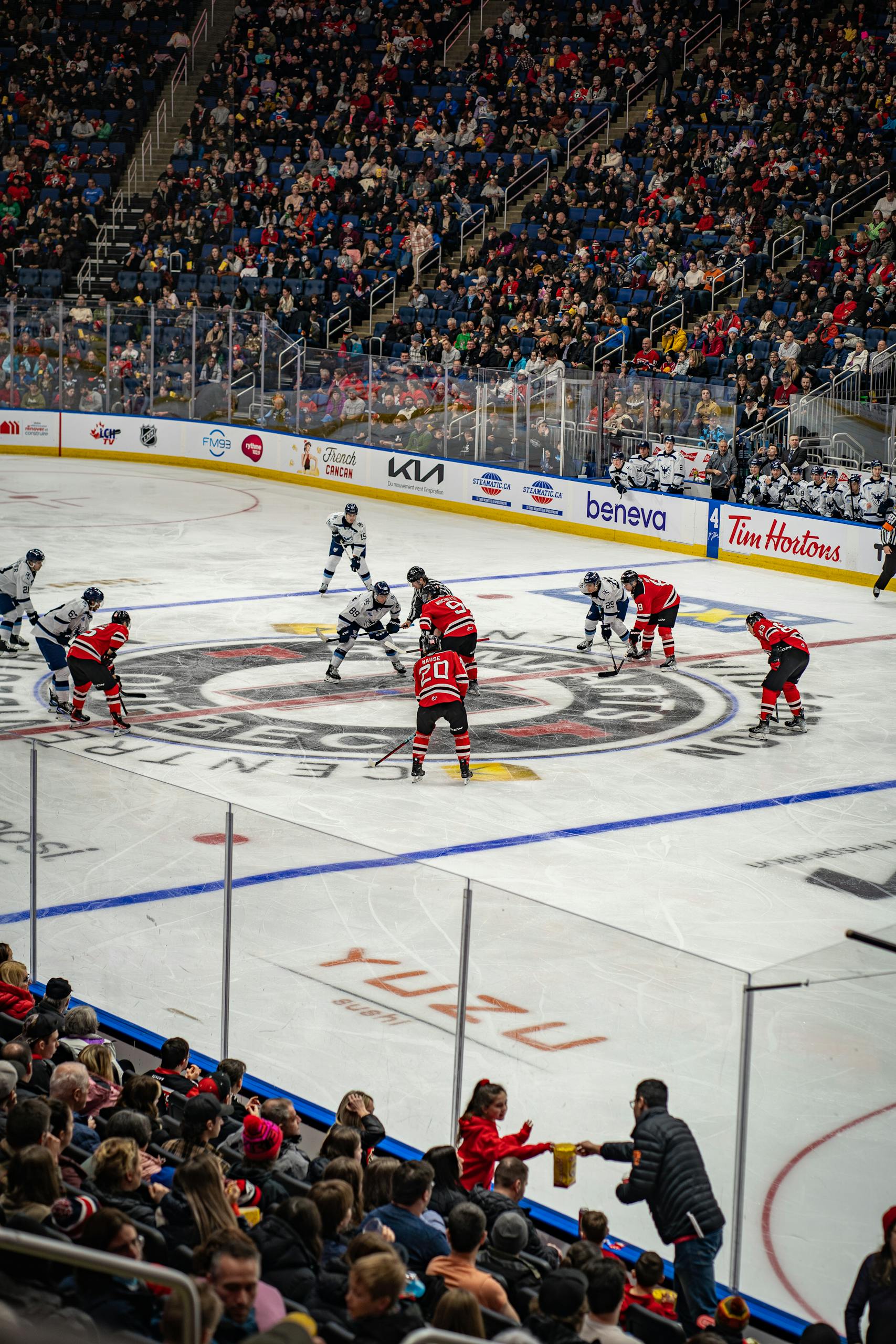
And live hockey is one of the best experiences in sports.
Yet somehow, the NHL still feels smaller than it should in modern culture.
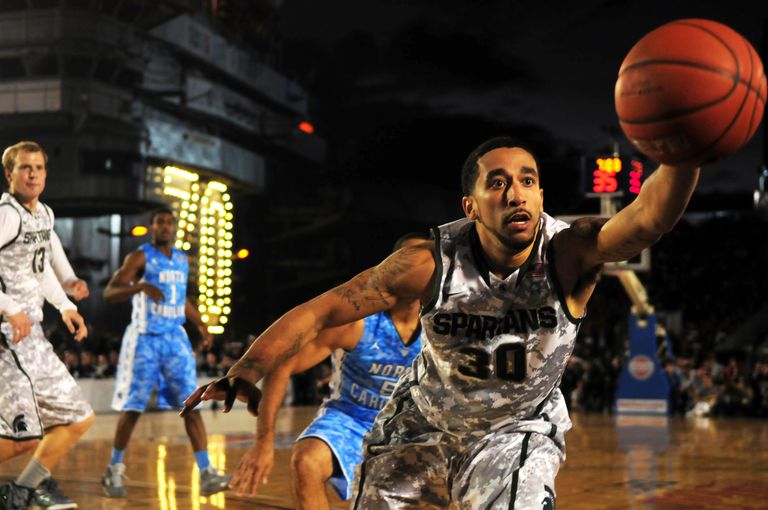
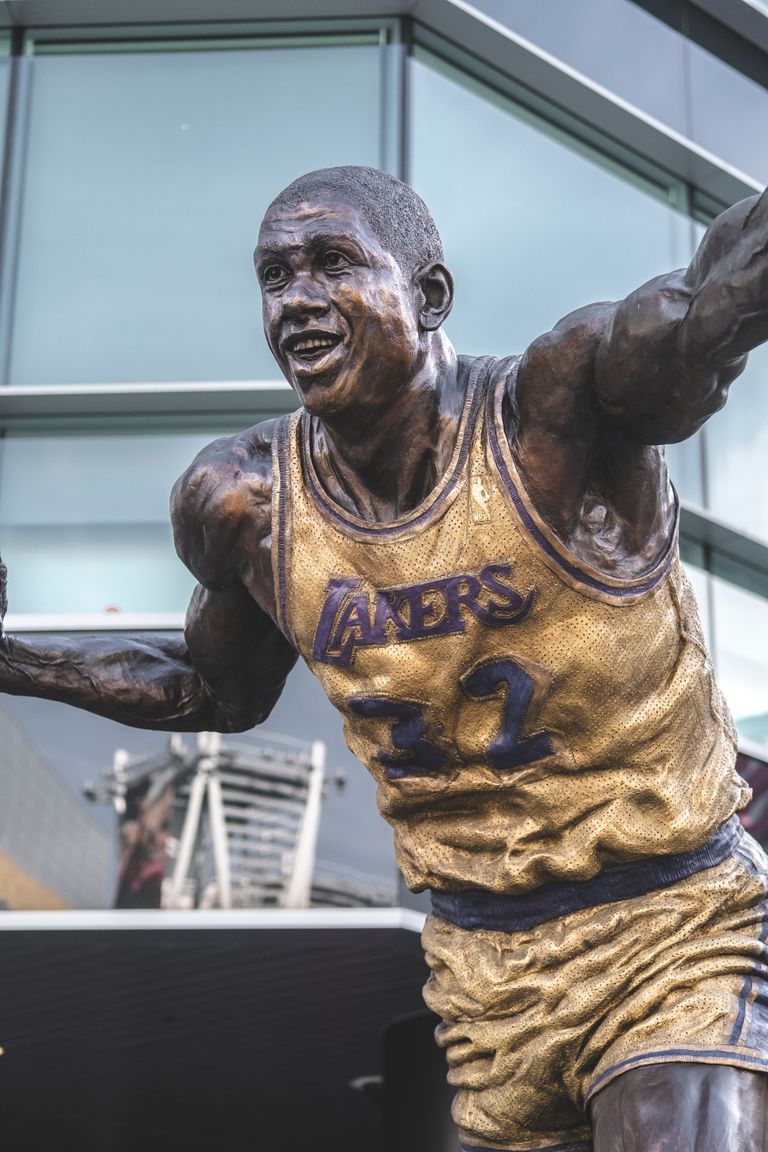
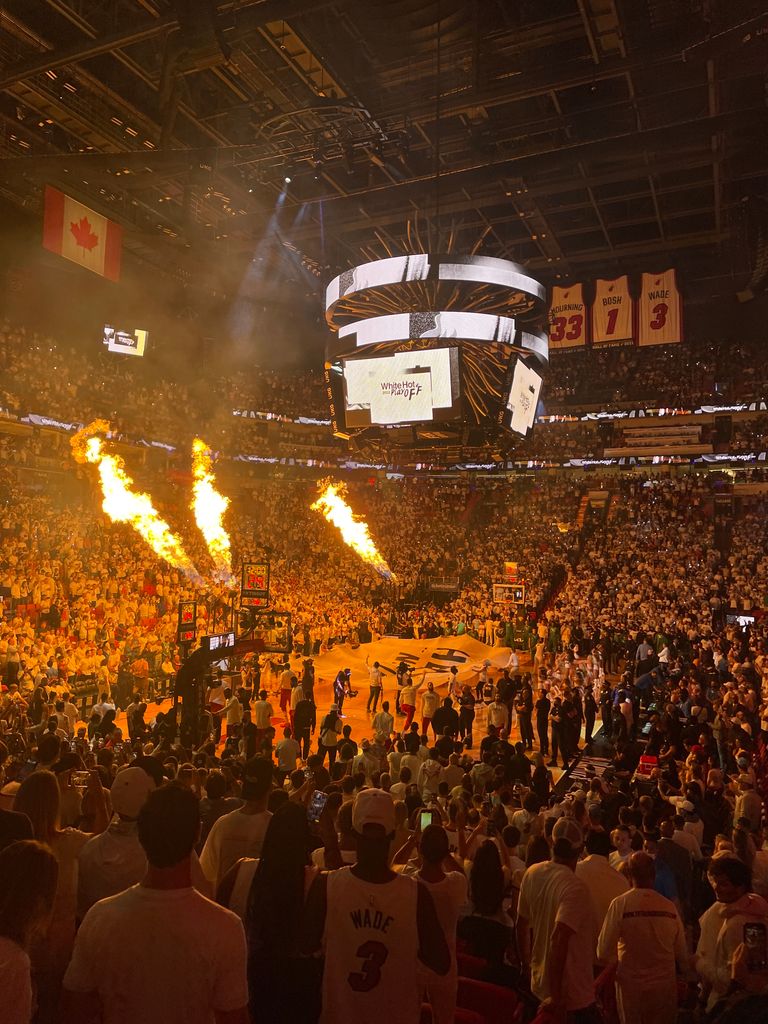
Meanwhile, the NBA has turned itself into a global entertainment powerhouse. Even people who barely watch basketball still know the stars, the drama, the rivalries, the memes, the controversies, and the personalities.
The NBA figured out something years ago that the NHL still seems uncomfortable admitting:
Modern sports are no longer just about the games.
They’re about attention.
And many fans believe the NHL still markets itself like it’s 1998.
The NBA Understands Modern Attention Spans
The NBA adapted early to social media culture.
It realized younger audiences don’t always consume sports traditionally anymore. Many fans don’t sit down for full games every night. Instead, they follow:
- highlights
- player drama
- interviews
- clips
- social media moments
- personalities
- viral debates
The NBA embraced that reality immediately.
The league made its stars bigger than the teams themselves.
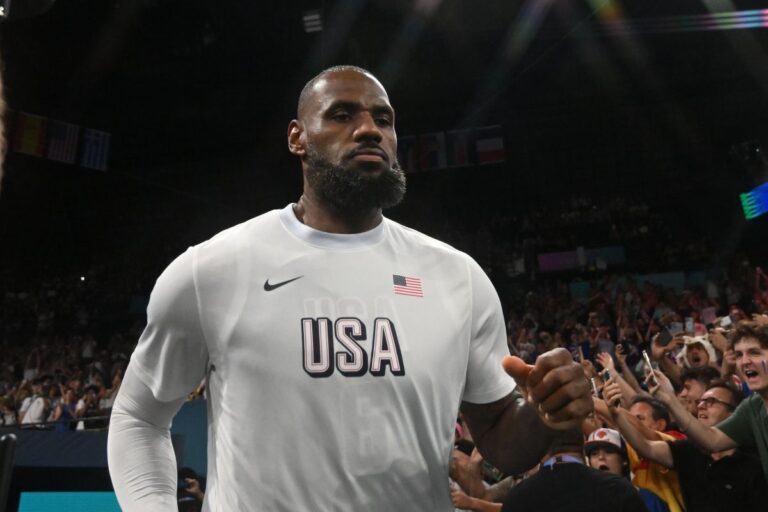
LeBron James became a global celebrity.
Stephen Curry became a cultural icon.
Anthony Edwards became a walking viral clip machine.
Nikola Jokic became a personality despite barely trying.
Even role players become recognizable online now.
The NBA promotes individuality constantly.
Players are encouraged to show emotion.
Celebrate.
Talk trash.
Build brands.
Appear on podcasts.
Go viral.
The league understands that fans connect emotionally to personalities first.
And once people care about personalities, they care more about games.
The NHL Still Markets Players Like It’s the Early 2000s
The NHL, on the other hand, often feels terrified of personality.
Interviews sound robotic.
Players are media-trained to say nothing interesting.
Celebrations stay restrained.
Trash talk rarely gets promoted publicly.
Emotion often feels hidden instead of showcased.
Everything stays safe.
For years, hockey culture pushed the idea that the team matters more than the individual. While that sounds admirable, it has also made it harder for casual audiences to emotionally connect with stars.
Even some of the best players in the world still feel invisible to non-hockey fans.
Connor McDavid should honestly be one of the most famous athletes on Earth based on skill level alone. The things he does on the ice are absurd. But outside hardcore sports audiences, many people barely know him.
That would never happen in the NBA.
If an NBA player had McDavid’s level of dominance and highlights, the league would market him nonstop.
Instead, the NHL often feels uncomfortable building larger-than-life stars.
Hockey Fans Sometimes Resist Entertainment Too
Part of the problem is actually the fanbase itself.
A lot of traditional hockey fans hate anything that feels overly flashy or entertainment-focused.
They complain about:
- celebrations
- personality-driven marketing
- social media trends
- celebrity culture
- “making hockey soft”
- attempts to modernize broadcasts
Meanwhile, NBA fans often fully embrace entertainment culture.
Basketball fans debate shoes, tunnel outfits, podcasts, rivalries, memes, and social media drama constantly. The NBA thrives online because the culture extends beyond the games themselves.
The NHL still feels stuck fighting against that evolution instead of adapting to it.
And younger audiences notice the difference immediately.
The NBA Feels Bigger Than Basketball
This is where the NBA completely separated itself.
The league doesn’t just sell basketball games anymore.
It sells culture.
The NBA became connected to:
- music
- fashion
- internet culture
- celebrity culture
- gaming
- social media
- global branding
Players became influencers as much as athletes.
That keeps the league constantly relevant — even when games aren’t happening.
The NHL rarely creates that same feeling.
Outside playoff season, hockey often disappears from broader cultural conversation almost entirely. Even huge NHL moments sometimes feel isolated compared to NBA storylines that dominate headlines for days.
That gap matters.
Modern sports leagues are fighting for attention every single day now, not just during games.
The NBA understands that better than almost anybody.
Younger Fans Want More Personality
One of the biggest generational divides in sports right now comes down to personality.
Older hockey culture often values:
- humility
- silence
- team-first mentality
- avoiding controversy
Younger audiences often want the opposite:
- emotion
- individuality
- confidence
- entertainment
- authenticity
The NBA gives younger fans that constantly.
Players openly debate each other.
Stars build public friendships and rivalries.
Mic’d up clips go viral.
Postgame interviews create headlines.
The NHL still often feels heavily controlled by comparison.
And while hardcore hockey fans may appreciate the “act professional” mentality, casual fans frequently find it difficult to emotionally invest in players they barely know.
The NHL Product Itself Is Actually Incredible
That’s the frustrating part for many hockey fans.
The actual sport is amazing.
The speed of hockey in person is unreal.
The playoffs are arguably the best postseason format in sports.
Momentum swings happen instantly.
Overtime playoff hockey creates insane tension.
But the league struggles to package those emotions for modern audiences.
The NBA creates stars first, then builds stories around the games.
The NHL often expects the games alone to carry everything.
That strategy worked better decades ago when sports faced less competition for attention.
Today, leagues are competing against:
- TikTok
- Netflix
- YouTube
- streaming services
- gaming
- social media algorithms
- influencers
Sports are no longer just competing with other sports.
And leagues that fail to understand entertainment culture risk falling behind culturally even if the product itself remains elite.
Even NHL Fans Know Something Feels Missing
A growing number of hockey fans openly admit the league feels outdated in certain areas.
Not the sport itself.
The presentation.
Broadcasts sometimes feel old-fashioned.
Player personalities stay hidden.
Marketing campaigns feel conservative.
Big stars rarely cross into mainstream relevance.
Meanwhile, the NBA constantly creates moments people want to talk about online.
That difference affects growth massively.
Because younger audiences today often become fans through clips, personalities, and viral moments before they ever become dedicated viewers.
The NBA mastered that pipeline.
The NHL still feels hesitant to fully embrace it.
The League Is Trying — But Slowly
To be fair, the NHL has improved somewhat in recent years.
More personality is showing.
Social media content has gotten better.
Outdoor games create attention.
Mic’d up moments are becoming more common.
But compared to the NBA, the pace still feels incredibly slow.
And many fans believe hockey’s culture itself still resists the type of openness and entertainment focus needed to fully modernize.
That creates tension inside the sport.
Some fans want hockey to stay traditional forever.
Others believe the league desperately needs to evolve culturally before it falls even further behind.
Final Thoughts
The NBA understood early that modern sports are about more than athletic competition.
They’re about personalities.
Storylines.
Emotion.
Virality.
Culture.
Attention.
The NHL still has one of the best on-ice products in sports.
But many fans believe the league continues to market itself like a sport from another era — quieter, safer, and far less visible than it should be.
And in today’s attention economy, that difference matters more than ever.