
Fans Say “Everyone Watches Sports Differently in the Streaming Era,” and Some Think It’s Hurting the Fan Experience Overall
Fans say “everyone watches sports differently in the streaming era,” and some think it’s hurting the fan experience overall, as fragmented viewing habits, second screens, and constant highlights reshape how people experience games together.
Watching Sports Used to Feel More Shared
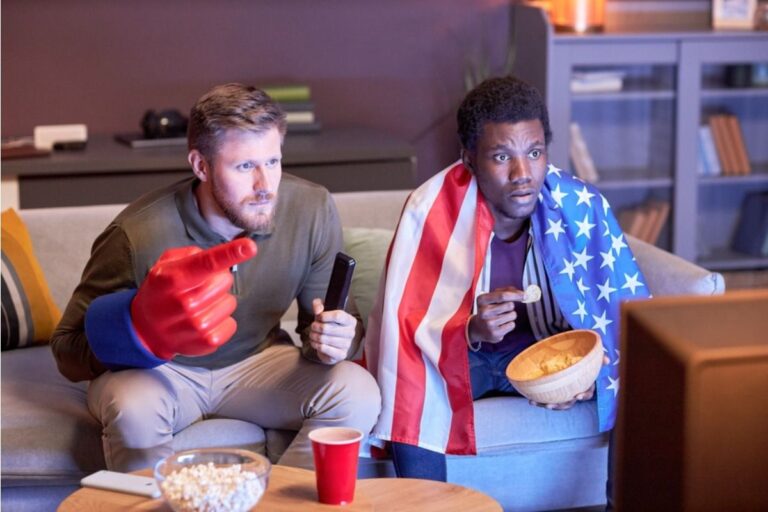
According to longtime fans, sports once felt like a collective experience. Families and friends gathered around the same TV channel at the same time. Most viewers saw the same broadcasts, commercials, and moments together. And that created a stronger sense of connection around games.
Streaming Changed How People Follow Teams
Fans say streaming services completely transformed viewing habits. Different games now appear across multiple apps, subscriptions, and platforms. Some viewers follow games through phones or tablets instead of televisions. And the experience feels more scattered than before.
“Nobody Is Watching the Same Way Anymore”
That phrase appears frequently in fan discussions online. Some people stream full games live, while others rely on clips, highlights, or live stats. Friends watching the “same” game may actually be minutes apart because of streaming delays. And that changes how fans react together.
Group Watching Became More Complicated
According to fans, organizing watch parties is harder than it used to be. Different subscriptions create confusion about where games are available. Technical issues, login problems, and blackout restrictions frustrate viewers regularly. And the simplicity of turning on one channel reportedly disappeared.
Second Screens Changed Attention Spans
Many fans now watch sports while simultaneously scrolling social media or checking fantasy scores. Conversations online happen during games in real time. Some viewers admit they barely focus fully on the action anymore. And many believe constant multitasking weakens immersion.
Highlights Often Replace Full Games
Younger fans especially say they increasingly consume sports through clips rather than full broadcasts. Viral plays spread online within seconds. Some fans follow entire games through highlights and reaction posts. And critics say this changes how people emotionally connect with sports.
Streaming Delays Became a Huge Frustration
One common complaint involves delayed broadcasts during live games. Fans watching through streaming services often receive notifications before seeing key moments themselves. Friends text reactions early, social media spoils endings instantly, and excitement reportedly gets disrupted. And many viewers say it ruins suspense.
“Everyone Experiences the Game Alone Now”
Some fans believe streaming unintentionally isolated sports culture. Instead of entire households watching one TV together, family members now stream separately on personal devices. Games feel more individualized than communal. And fans say the atmosphere around sports changed because of it.
Sports Discussions Became More Fragmented
According to fans, fewer people watch complete games from start to finish anymore. Conversations increasingly revolve around clips, narratives, and reactions instead of shared viewing experiences. This creates different interpretations of the same game. And arguments reportedly happen more often because of it.
Convenience Improved While Community Declined
Many fans admit streaming offers huge advantages. Games are more accessible on mobile devices, travel viewing is easier, and fans can follow multiple sports at once. But some believe convenience came at the cost of shared experiences. And that tradeoff remains controversial.
Older Fans Miss the Simpler Viewing Experience
Longtime viewers often compare modern sports viewing to earlier eras of cable television. They remember everyone gathering around major games simultaneously. Sports culture felt more synchronized and predictable. And many say streaming fragmented that feeling permanently.
Younger Fans See It Completely Differently
Not everyone views the changes negatively. Many younger fans enjoy customizing how they consume sports. They prefer highlights, multiple screens, fantasy integration, and constant online interaction. And for them, streaming feels more engaging rather than less.
A Shift From Shared Events to Personalized Viewing
In the end, the situation isn’t just about streaming technology, it’s about how sports culture itself changed, where games that once felt like shared national experiences are now consumed in dozens of different ways, leaving many fans wondering whether convenience quietly weakened the communal side of sports fandom.