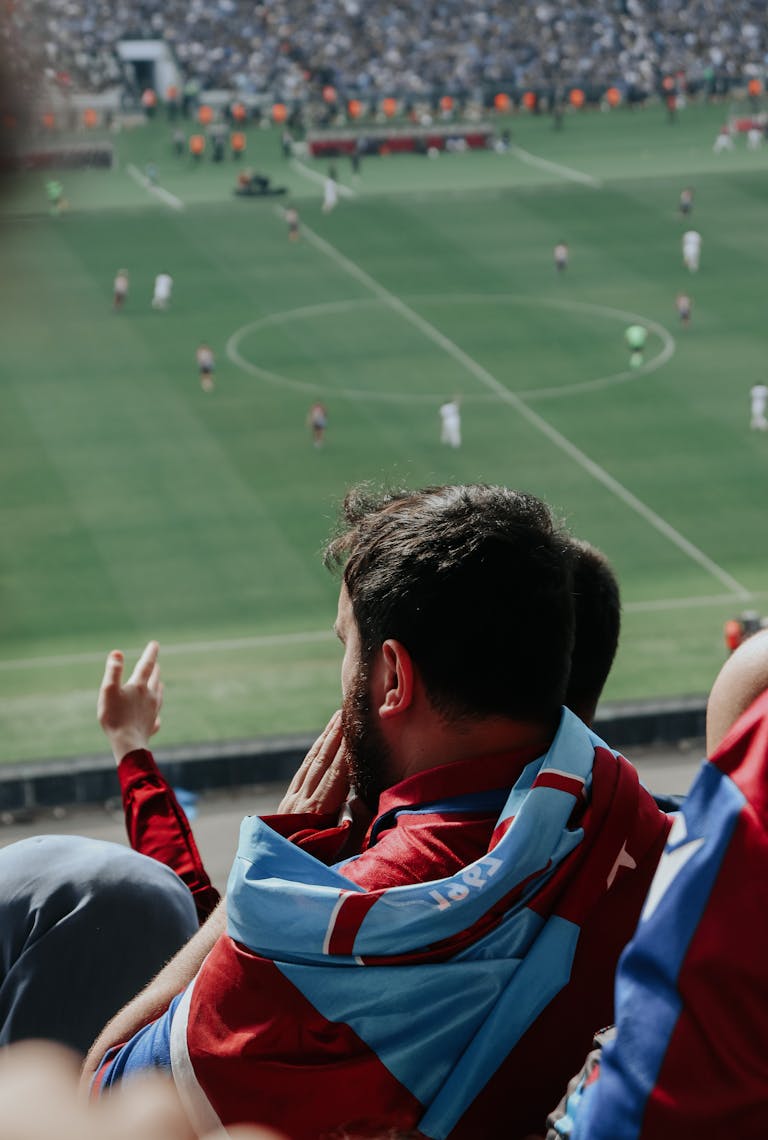

Fans Say “Players Are Interacting With Fans Less Than Ever,” and It’s Changing the Connection People Used to Feel “It Doesn’t Feel Personal Anymore”
The Connection Used to Be Part of the Experience
For a long time, going to a game wasn’t just about what happened on the field.
It was about everything around it.
The walk into the stadium. The energy in the crowd. And for many fans, the chance, even a small one, to feel close to the players they came to watch.
That connection didn’t have to be big.
It could be something as simple as a wave, a quick autograph, a moment near the tunnel, or a player acknowledging the crowd after a big play.
Those moments mattered.
They made fans feel like they weren’t just watching something from a distance.
They were part of it.
But now, more and more fans are starting to feel like that connection is fading.
“It Feels Like There’s a Wall Now”
One of the most common things fans are saying is that interactions feel more limited than they used to.
Not completely gone, but different.
More controlled.
More distant.
Fans describe it as a kind of invisible wall between themselves and the players. You can see everything, you can cheer, you can react, but there are fewer moments where that connection goes both ways.
And for people who have been going to games for years, that shift is noticeable.
What Changed Over Time
There isn’t one single reason for this.
It’s a combination of changes that have been building for years.
Security is tighter. Schedules are more structured. Media obligations are bigger than ever. And players are under constant attention, not just from fans in the stadium, but from cameras, social media, and everything that comes with being a public figure today.
In many ways, the game has grown.
But as it’s grown, some of the smaller, more personal parts of the experience have become harder to access.
The Rise of Controlled Interactions
Another change fans point to is how interactions are now more organized than organic.
Instead of spontaneous moments, many interactions happen in designated settings.
Pre-game events. Paid meet-and-greets. Structured fan experiences.
These moments still exist, but they feel different.
They’re planned.
And because of that, they don’t always carry the same feeling as something that happens naturally.
For some fans, that difference matters more than they expected.
Why Those Small Moments Meant So Much
It’s easy to underestimate how important small interactions can be.
But for many fans, those moments are what stick.
Not just the score of the game, but the memory of being acknowledged, even briefly, by someone they admire.
It’s what turns a game into a story.
Something you remember years later.
When those moments become rarer, the experience starts to change in a subtle but noticeable way.
The Impact on Younger Fans
This shift may be even more significant for younger fans.
For many kids, seeing a player up close or having even the smallest interaction can shape how they connect with the sport.
It’s what turns interest into loyalty.
It’s what makes a favorite player feel real instead of distant.
Without those moments, the connection can feel more like watching something on a screen, even when you’re sitting in the stadium.
Social Media Changed the Dynamic Too
At first, social media seemed like it would bring players and fans closer together.
And in some ways, it has.
Fans can follow players, see behind-the-scenes moments, and feel like they know more about them than ever before.
But there’s also another side to that.
Because so much of that connection now happens online, the in-person experience doesn’t always carry the same weight.
Fans are used to seeing players constantly.
So when they go to a game, the expectation of interaction is different.
And when it doesn’t happen, it stands out more.
When Access Feels Limited, the Experience Feels Different
For fans who attend games regularly, this change isn’t just about missing one type of interaction.
It’s about how the entire experience feels.
More structured.
More distant.
More like something you’re watching, rather than something you’re part of.
That doesn’t mean the excitement is gone.
But it does mean that one layer of the experience, the personal connection, feels less present.
Why This Matters More Than It Seems
At first glance, this might not seem like a major issue.
The game itself is still happening.
The competition is still there.
But sports have always been about more than just the outcome.
They’re about emotion.
Connection.
Identity.
And when fans feel less connected, even in small ways, it can slowly change how engaged they are over time.
The Balance Between Growth and Connection
As sports continue to grow, leagues and teams are constantly trying to balance different priorities.
Safety. Organization. Global audiences. Revenue.
All of those things matter.
But so does the fan experience.
Especially the parts that can’t be measured as easily.
The moments that make someone feel like they belong there.
The Question Fans Keep Coming Back To
At the center of this conversation is a simple question.
Has something been lost as the experience has become more controlled?
For some fans, the answer is yes.
Not in a dramatic way.
But in small, noticeable ways that add up over time.
What Fans Really Want
It’s not that fans expect constant access.
They understand the realities of modern sports.
But many feel that even small efforts to create genuine moments could make a difference.
Because those moments don’t just add to the experience.
They define it.
The Final Thought
In the end, this isn’t just about autographs or brief interactions.
It’s about how sports make people feel.
For a long time, part of that feeling came from connection.
From the sense that even in a packed stadium, there was still something personal about the experience.
And as that feeling becomes harder to find, more fans are starting to notice.
Because sometimes, it’s not the biggest changes that stand out the most.
It’s the small ones that quietly disappear.