Fans Say “The Real Game Happens on the Jumbotron Now” — Stadium Experiences Are Changing Fast
For a lot of sports fans, going to a live game used to be simple.
You showed up early, grabbed food, found your seat, and watched the game. The crowd created the atmosphere. The action on the field or court was the entire event. Every timeout or break just built anticipation for what came next.
But now, many fans are starting to say the live sports experience feels completely different — and not everyone likes where it’s heading.
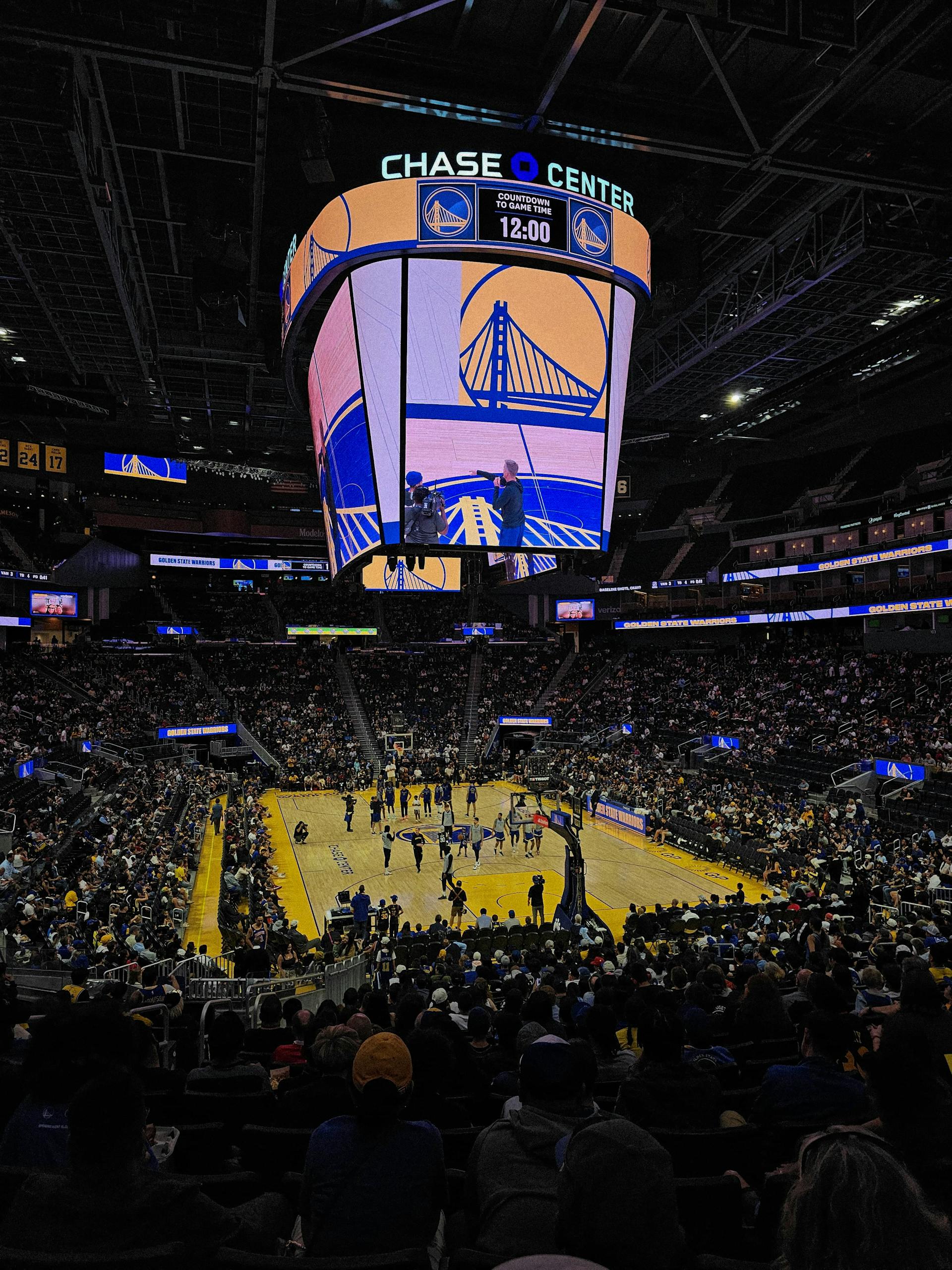
Across social media, fans have been debating how modern stadiums and arenas feel less like sports venues and more like nonstop entertainment productions. Between giant video boards, sponsored contests, music every few seconds, flashing lights, celebrity cameos, gambling promotions, fan cams, halftime performances, and endless advertisements, some people feel like the actual game is competing for attention.
And judging by how often this conversation keeps showing up online, a lot of fans seem to agree.
“There’s Never a Quiet Moment Anymore”
One of the biggest complaints fans keep bringing up is the constant stimulation inside arenas today.
Older fans especially say there used to be natural pauses during games where the crowd itself created the energy. The tension could build organically. Big moments felt bigger because the atmosphere had room to breathe.
Now, many say every single second has become monetized.
The second play stops, music starts blasting. A sponsored segment appears on the screen. A giveaway starts. A host starts yelling into a microphone. Graphics explode across the scoreboard while advertisements rotate nonstop around the arena.
Some fans online have described it as “sensory overload,” while others joke that modern games feel like being inside a giant commercial.
And interestingly, even younger fans are starting to agree.
Fans Think the Experience Feels More Corporate
Another major criticism revolves around authenticity.
Many longtime sports fans say stadiums used to feel connected to the teams and cities they represented. Every arena had its own personality. Every crowd had a different vibe. Some places were intimidating because of the fans, not because of artificial noise effects or pre-planned entertainment breaks.
Now, critics argue many stadium experiences feel almost identical.
The same music playlists. The same crowd prompts. The same sponsored timeout games. The same LED effects. The same “MAKE SOME NOISE” graphics flashing every few minutes.
Some fans believe leagues and teams are trying so hard to maximize entertainment value that they’ve accidentally made experiences feel less genuine.
Instead of letting crowd emotion happen naturally, many feel organizations are trying to manufacture it.
Ticket Prices Make Fans Notice It More
Part of the reason this conversation is growing comes down to cost.
Going to games today is expensive. Between tickets, parking, food, merchandise, and travel, attending a major sporting event can cost hundreds — sometimes thousands — of dollars for families.
Because of that, fans are becoming more critical of the overall experience.
When people spend that much money, they expect immersion in the sport itself. Instead, some leave feeling like they spent half the night watching advertisements, sponsored segments, or distractions unrelated to the actual game.
And ironically, many fans say the constant entertainment additions sometimes make the live experience feel less immersive rather than more immersive.
Others Think Modern Stadiums Are Better Than Ever
Of course, not everyone agrees with the criticism.
A huge number of fans love the modern stadium experience and believe sports venues today are far more exciting than older generations admit.
Supporters argue that:
- Arenas are more interactive
- Technology creates bigger moments
- Halftime shows and presentations keep energy high
- Fans expect entertainment throughout the entire event now
- Younger audiences have shorter attention spans and want nonstop engagement
Many also point out that sports compete with streaming, gaming, social media, and second-screen entertainment now. Teams can’t rely on the game alone the way they once could.
In other words, modern sports venues may simply be adapting to modern audiences.
And from a business perspective, it’s hard to argue with the results. Many teams are making record revenues while continuing to invest heavily into larger screens, better production systems, advanced lighting setups, and interactive fan experiences.
The Social Media Factor Changed Everything
Another huge reason stadium experiences evolved is social media.
Teams now design moments specifically to go viral online.
Whether it’s celebrity reactions, fan dance cams, dramatic player introductions, halftime surprises, or coordinated lighting effects, organizations understand that every moment inside the arena can become content.
This has fundamentally changed how games are presented.
For many franchises, the event is no longer just about the people inside the building — it’s also about the millions watching clips online afterward.
That shift has pushed sports deeper into entertainment culture than ever before.
Some Fans Miss Simpler Atmospheres
Even with all the modern upgrades, there’s clearly nostalgia building around older sports environments.
Many fans say older games felt more raw and emotional because the sport itself carried the experience. Crowd reactions felt spontaneous. Rivalries felt louder. Big moments felt more intense without constant interruptions.
Some people compare modern arenas to theme parks or television productions rather than traditional sporting events.
Others argue the nonstop stimulation actually hurts crowd engagement because fans are constantly being told when to cheer instead of reacting naturally.
That’s become one of the most debated parts of this conversation online:
are modern stadiums creating better entertainment, or are they accidentally weakening authentic sports atmosphere?
Why This Debate Keeps Growing
The reason this topic connects with so many people is because it touches something emotional about sports fandom.
Fans don’t just want entertainment. They want connection, tension, anticipation, and atmosphere. They want moments that feel real and unforgettable.
And while modern productions create bigger visuals and louder experiences, some fans believe something smaller but important has quietly disappeared in the process.
Not everyone agrees that live sports are getting worse. In fact, many fans believe attending games today is more exciting than ever.
But what’s undeniable is that the experience has changed dramatically.
For some, that evolution feels necessary.
For others, it feels like the sport itself is slowly becoming background noise to the production surrounding it.