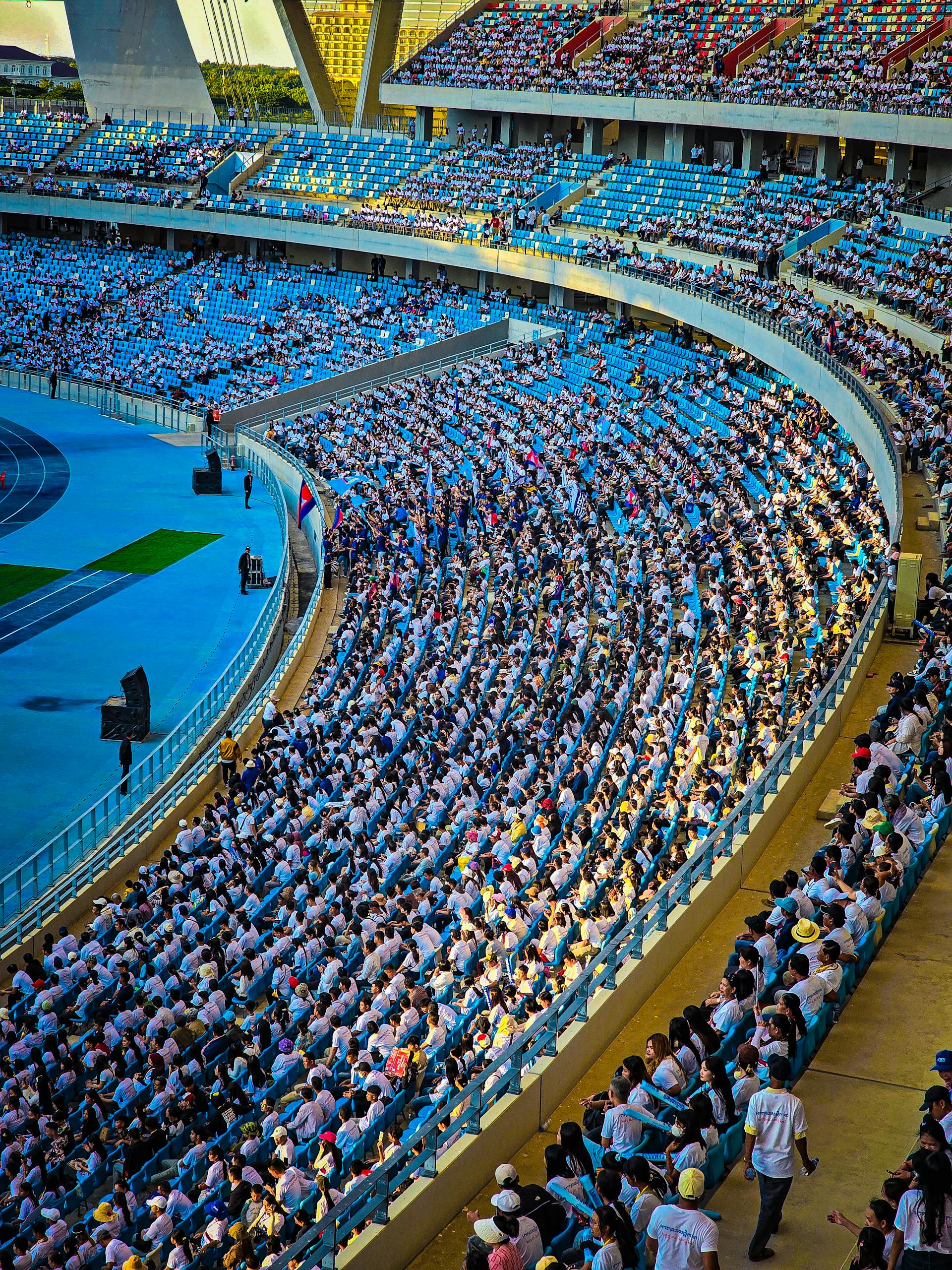
Fans Say Watching Live Sports “Used to Feel Bigger,” but Something About Today’s Games Feels Different
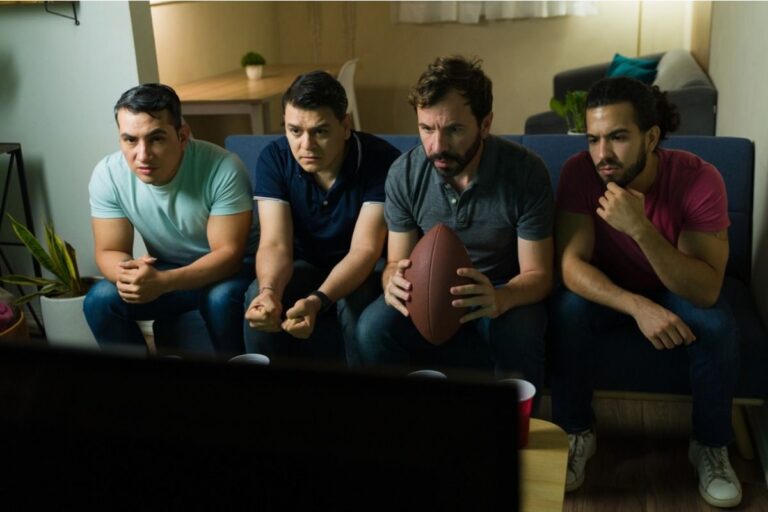
There was a time when watching a game felt like an event.
Not just something you had on in the background. Not something you checked between scrolling on your phone. A real event. You planned your day around it. You sat down before it started. You stayed through the end. And when something big happened, it actually felt big.
Now, a growing number of fans are starting to say something feels off. The games are still there. The athletes are better than ever. The production is bigger. The access is unlimited. And yet, somehow, the experience doesn’t feel the same.
For many, it’s not one clear reason. It’s a combination of small changes that have slowly added up over time. And the result is something a lot of people are struggling to fully explain, but immediately recognize when they feel it.
When Watching a Game Felt Like an Occasion
For decades, live sports had a built-in sense of importance.
You didn’t have endless options. You couldn’t watch every game, every highlight, every angle at any time. If you missed something, you actually missed it. And because of that, when you did sit down to watch, it meant more.
Big games felt like shared experiences. Everyone was watching the same thing at the same time. Conversations the next day weren’t optional — they were inevitable. Whether it was a playoff run, a rivalry matchup, or even just a regular season game between two top teams, there was a feeling that something mattered.
Even the slower moments had weight. The pacing gave the game time to breathe. The tension built naturally. And when something finally happened, it carried more impact because of everything that came before it.
Now Everything Is Available — And That Might Be the Problem
Today, fans have more access than ever before.
Every game is available somewhere. Every highlight is posted within seconds. Every moment is clipped, replayed, analyzed, and shared across multiple platforms almost instantly.
On paper, that should make the experience better. But for a lot of fans, it’s doing the opposite.
When everything is always available, nothing feels rare.
You don’t have to sit through a full game to see what happened. You don’t have to wait to find out the result. You don’t even have to be fully paying attention, because you know the key moments will find you anyway.
That shift changes how people watch. Games become something you check in on instead of commit to. Big moments become something you scroll past instead of fully experience.
And over time, that changes how the entire event feels.
The Second Screen Problem
Another major change is how people are actually watching games.
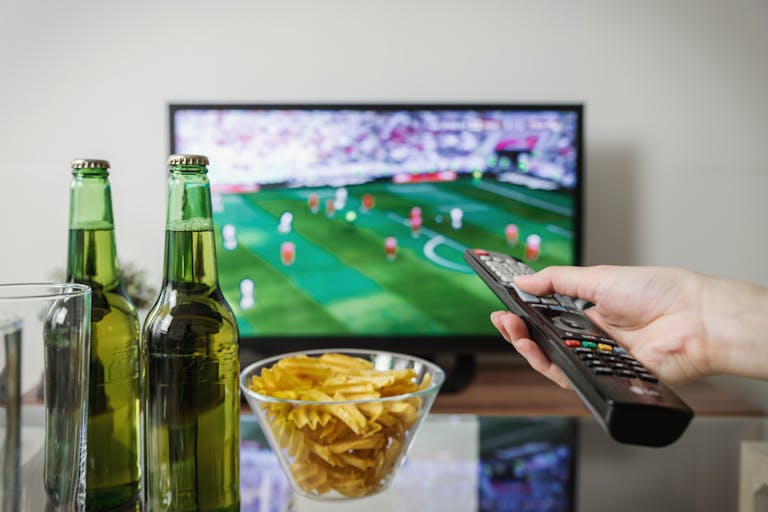
It’s rare now for someone to watch a full game without distractions. Phones are always nearby. Social media is constantly updating. Group chats are active. Notifications don’t stop.
Instead of one focused experience, watching sports has become split across multiple screens.
You might be watching the game, but you’re also checking stats, reading reactions, responding to messages, and scrolling through highlights — sometimes all at the same time.
That constant switching makes it harder to stay locked in. It breaks the flow. It reduces the emotional build-up that used to come from staying fully engaged.
Even during big moments, there’s a good chance part of your attention is somewhere else.
And when that happens repeatedly, the overall experience starts to feel less immersive, even if the game itself hasn’t changed.
Bigger Production, Smaller Feel
Ironically, as sports have become more produced, they’ve started to feel less organic to some fans.
Broadcasts now include more graphics, more commentary, more camera angles, more analysis, and more storytelling than ever before. Stadiums are louder, brighter, and more packed with entertainment options.
Everything is designed to make the experience bigger.
But some fans feel like that constant stimulation is actually taking away from the game itself.
When every moment is packaged, explained, and enhanced, it can start to feel less natural. Less spontaneous. Less real.
Instead of letting the game create its own emotion, it can feel like the broadcast is trying to tell you how to feel at every step.
For some viewers, that takes away from the authenticity that made sports compelling in the first place.
Too Many Games, Not Enough Meaning
Another factor that keeps coming up is volume.
There are simply more games, more content, and more coverage than ever before. Across leagues, seasons feel longer, schedules feel heavier, and meaningful moments can feel diluted.
When there’s always another game tomorrow, it can make today’s game feel less important.
Fans are starting to pick and choose what they watch instead of following everything closely. And when that happens, fewer moments feel essential.
That doesn’t mean people care less about sports. It means the way they engage with them is changing.
And that change is affecting how big those moments feel when they do happen.
The Nostalgia Factor — Or Something More?
It’s easy to dismiss all of this as nostalgia.
Every generation tends to believe things used to be better. The games felt bigger. The moments felt more meaningful. The experience felt more real.
But what’s different now is how many fans are saying the same thing at the same time, across different sports.
It’s not just one league. It’s not just one type of fan. It’s a broader shift in how people are experiencing live sports altogether.
And while nostalgia may play a role, there are clear, tangible changes in how sports are consumed today.
More access. More distractions. More content. More production.
All of those things have benefits. But they also come with trade-offs.
What This Means Moving Forward
Live sports aren’t going anywhere. If anything, they’re becoming more valuable in a world where so much content is on-demand and easily skipped.
But the experience of watching them is evolving.
For leagues, networks, and teams, the challenge is finding a balance. How do you take advantage of modern technology and accessibility without losing the feeling that made sports special in the first place?
For fans, it might come down to how they choose to engage.
Putting the phone down. Watching a full game. Letting moments build instead of skipping ahead.
Because while the environment around sports has changed, the core of what makes them compelling hasn’t.
Uncertainty. Competition. Emotion. Shared experience.
Those things are still there.
But for many fans, they’re starting to feel just a little bit harder to hold onto — and that’s why more people are starting to say the same thing.
Watching live sports used to feel bigger.
And right now, they’re trying to figure out exactly why it doesn’t anymore.