NBA Fans Are Arguing That “Superteams Killed Rivalries,” and One Era Keeps Getting Compared to Today
For years, NBA rivalries helped define entire eras of basketball.
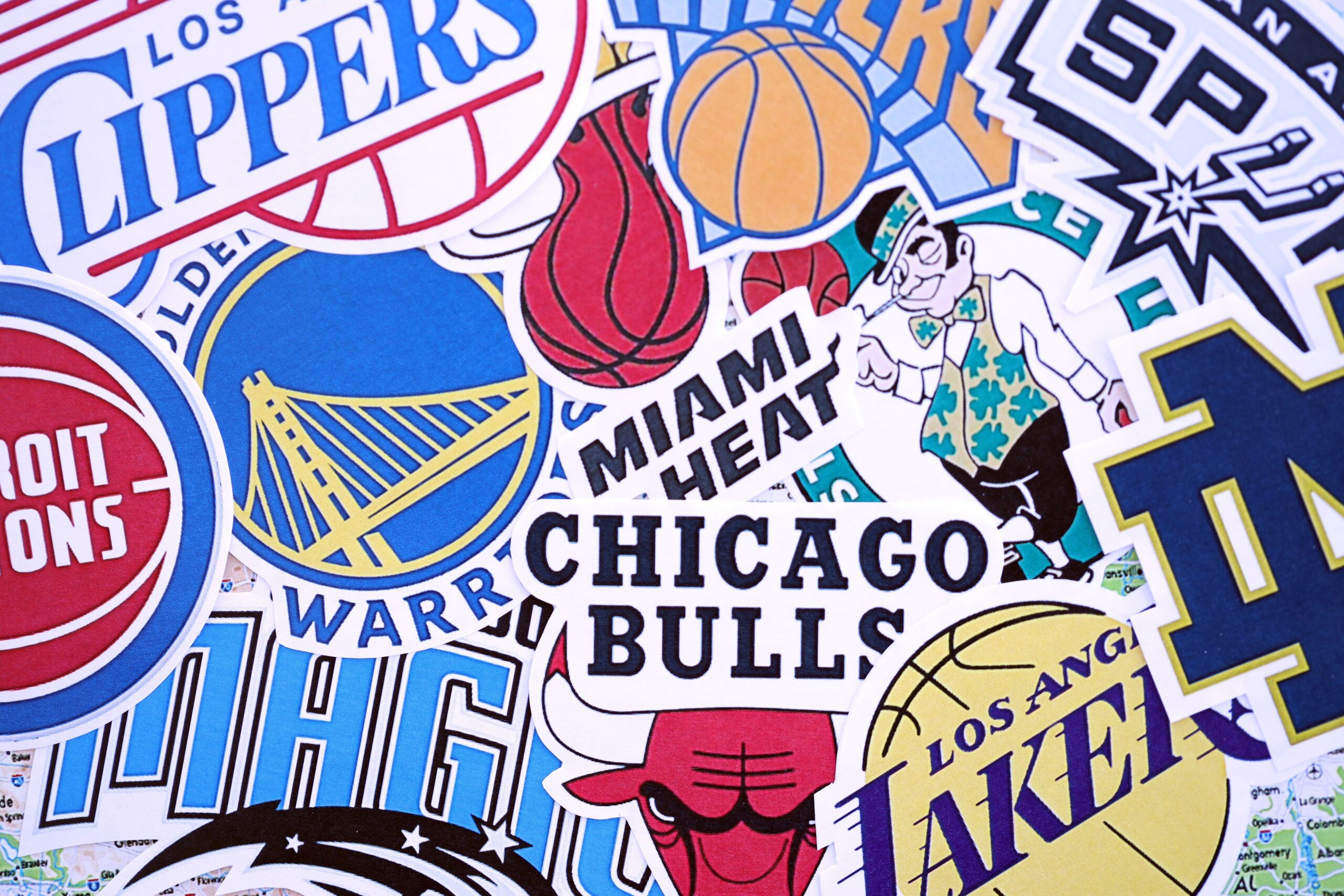
Fans didn’t just root for players — they hated opposing teams. Celtics vs Lakers. Bulls vs Pistons. Knicks vs Heat. Lakers vs Spurs. Cavaliers vs Warriors. Every matchup felt personal, emotional, and bigger than a single game.
Now, a growing number of NBA fans believe something important has changed.
Across social media and sports discussions, more fans are arguing that modern basketball rivalries simply do not feel as intense anymore. And one explanation keeps coming up repeatedly: superteams changed everything.
The debate has exploded again during these playoffs as fans compare today’s NBA atmosphere to previous eras where rivalries often felt raw, hostile, and deeply emotional.
Many longtime viewers believe modern player movement fundamentally changed the emotional structure of the league.
Players no longer spend entire careers with one franchise. Stars team up together after years of competing against each other. Former rivals train together in the offseason, appear on podcasts together, and openly support each other publicly.
For some fans, that shift completely changed how rivalries feel.
One fan online recently wrote:
“It’s hard to hate another team when half the stars might join each other next season.”
Another said:
“Everything feels temporary now.”
That feeling keeps showing up in NBA conversations everywhere.
Many fans point to the rise of “superteam culture” as the exact moment rivalries started losing emotional intensity. Instead of organically developed team identities, some viewers believe the NBA slowly shifted toward player alliances and short-term championship windows.
The criticism is not necessarily about players wanting better situations.
Most fans understand why stars want more control over their careers. Players today have enormous leverage, massive contracts, and far more freedom than previous generations. Many fans actually support that part of the evolution.
But they also think something emotional disappeared along the way.
Older NBA fans often describe previous rivalries as deeply personal because teams stayed together longer. Fans knew who the villains were. Certain playoff matchups carried emotional history for years. There was buildup, resentment, revenge, and continuity.
Today, some fans argue it feels harder to build that same emotional investment because the league changes so quickly.
A team can go from contender to rebuild almost overnight. Stars switch conferences. Teammates become opponents and then teammates again within a few seasons. Entire rosters transform constantly through trades, free agency, and buyout culture.
One NBA fan compared modern rivalries to “temporary internet drama” instead of long-term sports hatred.
Another wrote:
“The games are still great, but the emotional attachment feels weaker.”
That comment triggered huge debate online because many younger fans completely disagree.
Some newer NBA viewers actually prefer the modern era because player movement creates nonstop storylines, major offseason drama, and constant excitement. They argue the league is more entertaining than ever because stars have more power and fans can follow individual players instead of being locked into one franchise forever.
And there is truth to that.
The NBA has arguably never been more popular online. Social media engagement is enormous. Player-driven branding has exploded globally. Stars are more visible, accessible, and marketable than ever before.
But critics believe that same player-first culture may have weakened traditional team rivalries.
One major example fans constantly bring up is how quickly players become friendly after intense playoff series. Jersey swaps, postgame hugs, podcast appearances, and offseason training clips often go viral immediately after supposedly emotional battles.
Older fans sometimes say it breaks the illusion of competition.
One viral comment recently summed up the frustration:
“Fans care more about rivalries than players do now.”
That line triggered thousands of reactions because many people think it perfectly explains why certain games no longer feel emotionally explosive.
Some fans specifically compare today’s NBA to eras where teams openly disliked each other. The Bad Boy Pistons, 1990s Knicks, Kobe-era Lakers, and even early Warriors-Cavaliers matchups are constantly mentioned as examples of rivalries that felt genuinely hostile.
Many viewers say modern NBA tension feels more performative than real.
Others disagree entirely and argue fans are simply romanticizing the past.
They point out that today’s players face nonstop media pressure, social media criticism, trade rumors, and global scrutiny that previous generations never dealt with. Some argue players naturally build friendships around the league because they understand how difficult modern NBA life actually is.
Still, even many younger fans admit there is less mystery now.
Social media gives fans constant access to players off the court. Rival stars appear together constantly during the offseason. Fans see friendships, workouts, interviews, gaming streams, and collaborations year-round.
Some believe that level of access changed how competition feels emotionally.
One NBA viewer wrote:
“When everyone is friends publicly all the time, rivalries lose their edge.”
And that may be why this debate keeps growing larger every season.
Because for many fans, sports are not just about talent or highlights.
They are about emotional investment.
People want games to feel meaningful. They want tension. They want history. They want conflict that feels real. And many longtime NBA fans believe the superteam era slowly weakened those emotional connections.
Ironically, the actual basketball itself may be better than ever.
Skill levels are unbelievable. Shooting, spacing, athleticism, and offensive creativity continue reaching new heights every year. Younger stars are arriving faster than ever and global talent has transformed the league completely.
But many fans still believe something emotional has changed underneath all of it.
The NBA remains wildly entertaining.
The question is whether rivalries still feel powerful enough to define eras the way they once did.
And judging by how heated this debate keeps becoming online, fans clearly still care deeply about the answer.