
NBA Games Are Being Decided at the Free Throw Line More Than Ever, and Fans Say “It Feels Like the Game Just Stops at the Worst Moments”
The Growing Role of Free Throws in Modern NBA Games
For many NBA fans, the most frustrating part of watching a close game isn’t the score.
It’s the pacing.
More specifically, it’s the feeling that some of the biggest moments are no longer defined by shots, defense, or momentum, but by repeated trips to the free throw line. While free throws have always been part of basketball, their role in deciding outcomes seems to be growing, especially late in games.
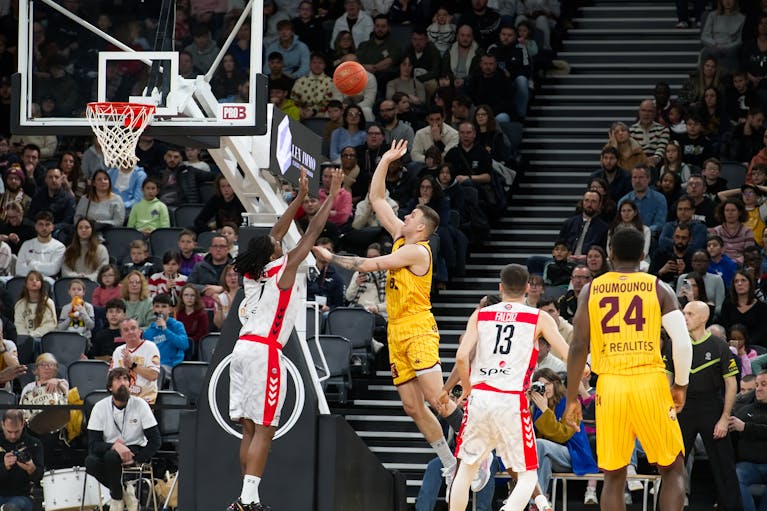
In tight fourth-quarter situations, it’s become common to see multiple possessions end with whistles rather than plays. Intentional fouling, defensive contact, and attempts to draw fouls are all contributing to a version of the game that feels slower and more controlled than before.
Why Free Throw Attempts Are Increasing
There are several reasons behind this shift. One of the biggest is how the game is being played offensively. Modern NBA offenses are built around spacing, driving lanes, and attacking the rim. Players are more aggressive when driving into defenders, and they are also more skilled at drawing contact.
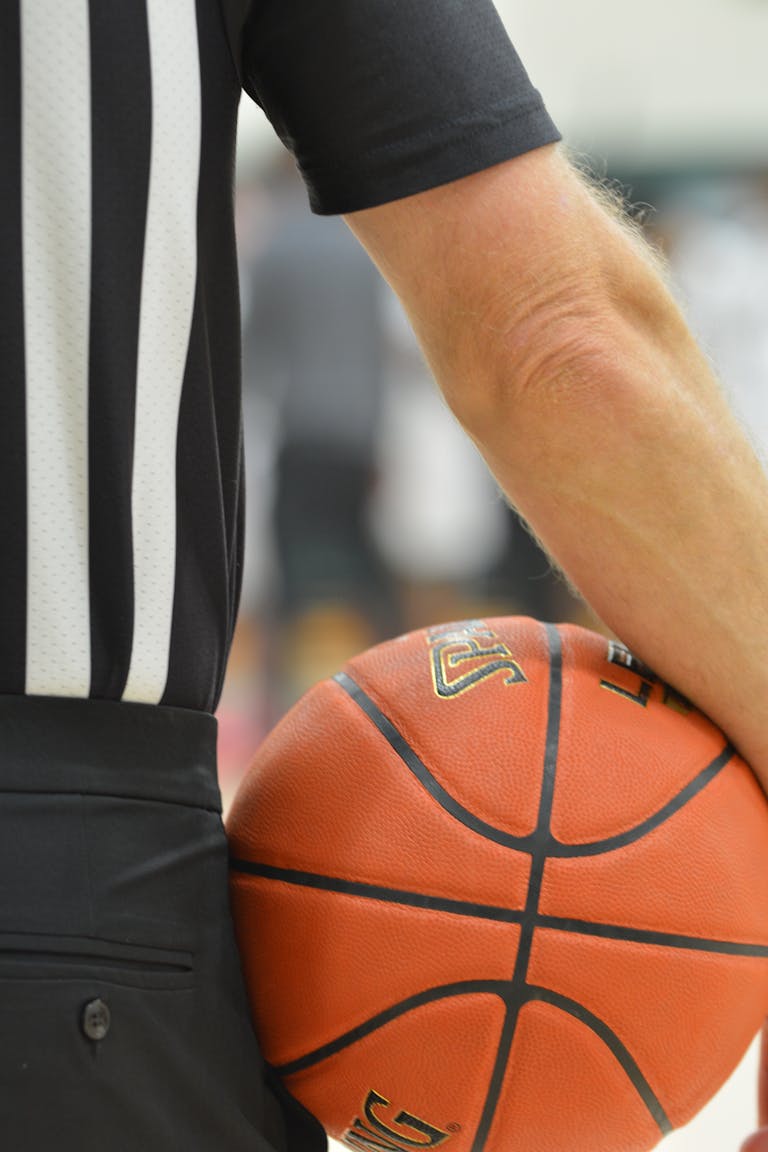
At the same time, referees are enforcing rules that protect offensive players, especially in situations involving contact near the basket. This has led to more fouls being called, particularly when defenders are even slightly out of position.
Late-game strategy also plays a role. Teams that are trailing often foul intentionally to stop the clock, extending the number of possessions but also increasing the number of free throw attempts. What used to be a rare tactic is now a standard part of end-game strategy.
The Impact on Game Flow
While all of this makes sense strategically, it has a noticeable effect on how games feel.
Basketball is at its best when it flows. Quick transitions, back-and-forth scoring, and momentum swings create energy that keeps fans engaged. When games are repeatedly interrupted by whistles, that flow disappears.
The final minutes of close games can stretch significantly longer than expected. What should feel like a fast-paced finish can turn into a series of stoppages, reviews, and free throw attempts.
For fans, especially those watching at home, this can change the entire experience. Instead of building tension through continuous play, the game feels segmented, with momentum constantly being reset.
Why This Feels More Noticeable Now
Part of the reason this issue stands out more today is because of how much the rest of the game has evolved.
The NBA has become faster overall. Teams shoot more three-pointers, push the pace, and score at higher rates than in previous eras. That makes the contrast even more noticeable when games slow down dramatically in the final minutes.
Fans who are used to a high-speed style of play suddenly find themselves watching extended stoppages during the most important part of the game.
That shift in pacing can feel jarring, especially in games that are otherwise exciting.
The Debate Around Officiating and Strategy
There is ongoing debate about whether this trend is a problem or simply a natural outcome of modern basketball.
Some argue that players are simply taking advantage of the rules as they exist. Drawing fouls is a skill, and free throws are a fundamental part of scoring. From that perspective, nothing is “wrong” with how the game is being played.
Others believe that the balance has shifted too far.
They argue that too many possessions are ending at the free throw line rather than through actual shot attempts, especially in critical moments. That changes how games are decided and how they are experienced.
What the League Could Do
The NBA has made adjustments in the past to address pacing and flow, including rule changes designed to reduce certain types of fouls or discourage excessive stoppages.
However, any change comes with trade-offs.
Reducing foul calls could lead to more physical play, which carries its own risks. Adjusting late-game rules could alter strategic elements that teams rely on.
Because of that, the league has to balance maintaining fairness and safety with preserving the overall experience of the game.
The Reaction From Fans
As this trend continues, more fans are starting to notice and talk about it.
The frustration isn’t necessarily about free throws themselves.
It’s about when they happen and how often they interrupt the game’s most important moments.
Because when the final minutes feel less like basketball and more like a sequence of stoppages, it changes how those moments are remembered.
And for a growing number of viewers, that change is hard to ignore.
“It feels like the game just stops at the worst moments.”