The ‘Golden Era’ of Sports Might Already Be Over — Fans Are Debating It Hard
There’s a growing debate across sports communities online and in conversations at arenas, bars, and living rooms everywhere — and it’s not about one team or one player.
It’s about something bigger.
More fans are starting to ask a question that instantly splits opinions:
Has the “golden era” of sports already passed?
Depending on who you ask, the answer is either an obvious “yes” or an absolute “no.” But what’s clear is that the feeling of sports today is different enough that the debate keeps coming back louder every season.
And it’s not tied to one league. It’s across basketball, football, baseball, hockey, and even international sports.
Something about the modern era feels… different.
Why Fans Think the “Golden Era” Might Be Over
A big part of the argument comes from nostalgia, but it’s not just nostalgia alone.
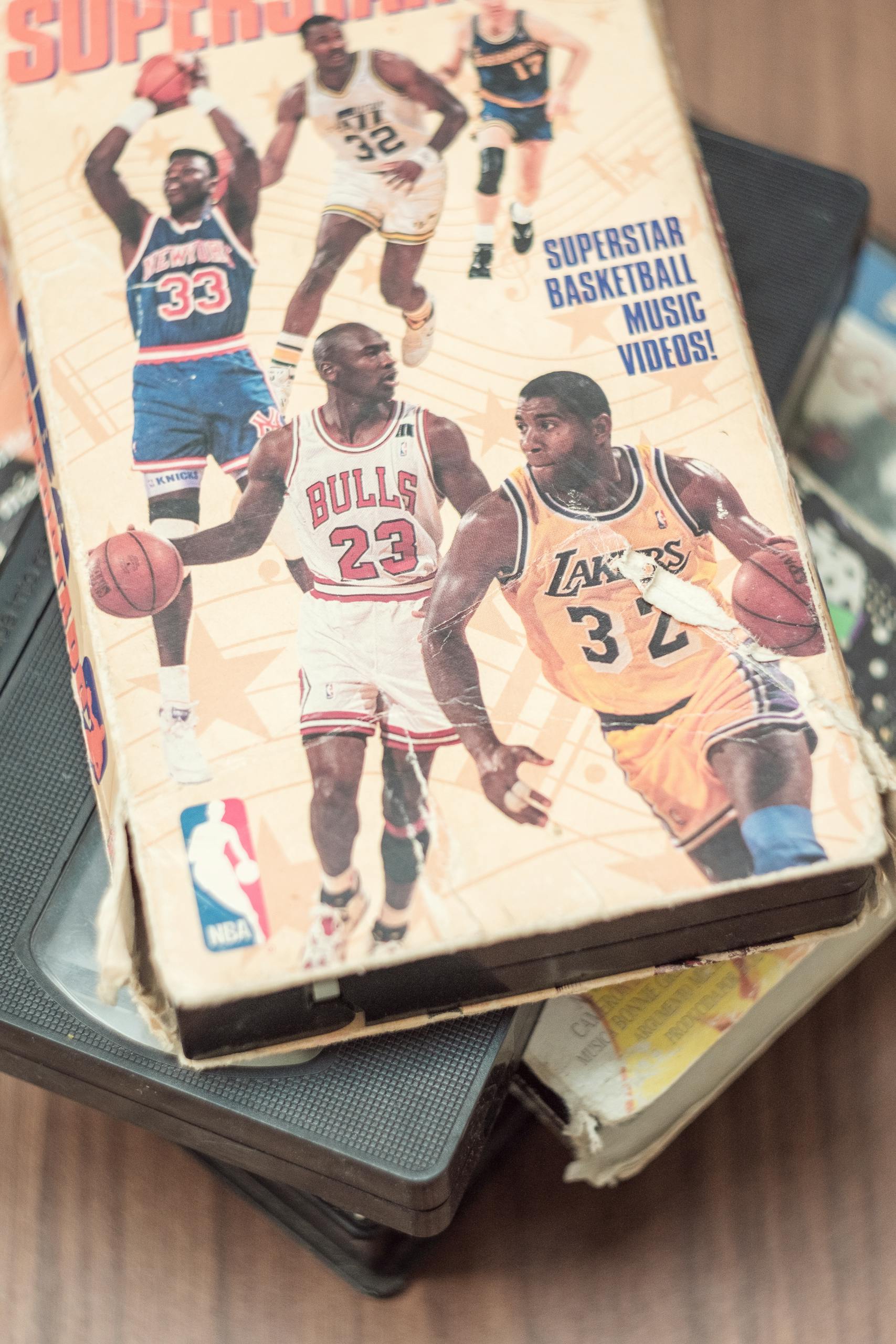
Many fans point to how sports used to feel more unpredictable. Rivalries lasted longer. Superstars stayed with one team for years, sometimes their entire careers. Matchups felt more personal because rosters didn’t constantly shift.
Now, player movement happens faster than ever. Superteams form, break apart, and re-form in different combinations. Fans say it makes it harder to build long-term emotional investment in teams.
There’s also the rise of analytics-driven decision making. Front offices are more focused on efficiency, matchups, and long-term planning than ever before. Some fans say that has made the game smarter — but less emotional.
Instead of chaotic momentum swings and raw unpredictability, critics argue modern sports sometimes feel “solved” or overly structured.
Even in live games, fans say they can predict stretches of play more easily than they could a decade ago.
That’s where the “golden era is over” argument starts to gain traction.
The Other Side: Sports Have Never Been Better
Of course, not everyone agrees.
A large group of fans and analysts argue that sports are actually better now than they’ve ever been.
Their main point is simple: athletes today are more skilled, more trained, and more physically advanced than any previous generation.
Players shoot better, move faster, and understand the game at a deeper level. Training methods, recovery science, and nutrition have extended careers and improved performance across the board.
From that perspective, calling the modern era “worse” doesn’t make sense — it’s just different.
Some fans also argue that the accessibility of sports today is unmatched. Every game is broadcast, highlights are instant, and global fanbases are stronger than ever.
Where older eras relied on limited exposure, today’s sports are everywhere at once.
So instead of a decline, they see evolution.
Why the Debate Feels So Personal for Fans
What makes this conversation so intense is that it’s not really about stats or eras — it’s about emotion.
Fans often connect sports to specific memories in their lives. A “golden era” usually lines up with when someone grew up watching the game the most. That naturally makes those years feel more exciting, more dramatic, and more meaningful.
Younger fans often push back against the idea that things were “better before,” pointing out that they are experiencing their own version of greatness right now.
That’s why this debate never really ends.
It’s less about facts and more about perspective.
The Role of Social Media in Changing Perception
Another major factor in this discussion is how sports are consumed today.
In past eras, fans watched games live, talked about them the next day, and moved on.
Now, every moment is clipped, replayed, analyzed, and debated in real time. A single missed shot, bad call, or highlight can dominate conversations for hours or even days.
That constant cycle of reaction changes how games feel.
Instead of watching a full game as an experience, fans often consume sports in moments — and those moments are judged instantly and publicly.
Some argue this has made sports more exciting than ever. Others say it has removed patience and depth from how games are appreciated.
Either way, it changes perception of the current era.
Rivalries, Superstars, and Changing Loyalty
Another major talking point in the “golden era” debate is rivalry culture.
Older generations often talk about legendary rivalries that lasted years and defined entire eras of sports. Today, some fans feel rivalries don’t carry the same weight because rosters change too quickly.
When star players move teams more frequently, it becomes harder for long-term rivalries to form naturally.
At the same time, modern leagues argue that new rivalries are still forming — they just look different. Instead of decade-long matchups, rivalries now sometimes form through playoff series, media narratives, or superstar matchups that rotate more often.
Whether that’s better or worse depends entirely on who you ask.
So… Is the Golden Era Over?
The truth is, there’s no universal answer — and that’s exactly why the debate keeps growing.
For some fans, the golden era is already behind them. It represents a time when sports felt simpler, slower, and more emotionally connected to teams that rarely changed.
For others, the golden era is happening right now — with more talent, more access, and more global attention than ever before.
And for younger fans, the idea that “sports used to be better” doesn’t hold much weight at all.
What’s clear is this: sports haven’t lost interest — they’ve changed shape.
And whether that change is good or bad is something fans are still arguing about every single day.
Because in the end, the “golden era” of sports might not be a time period at all.
It might just be whatever era you happened to fall in love with the game.