
Is Sports Entertainment Now More Important Than Winning? Fans Are Split
Across every major sport right now, a debate keeps popping up online and in stadium conversations that would’ve sounded strange a couple decades ago.
Are modern sports still primarily about winning… or has entertainment become just as important?
Some fans say the answer is obvious. Others say the question itself misses the point. But the fact that it keeps coming up shows how much the sports landscape has changed — not just in how games are played, but in how they’re consumed, packaged, and judged.
And depending on who you ask, that shift is either exciting evolution or a slow drift away from what sports used to be.
The Case That Entertainment Is Now Driving Sports
There’s no denying that modern sports are built to be watched differently than before.
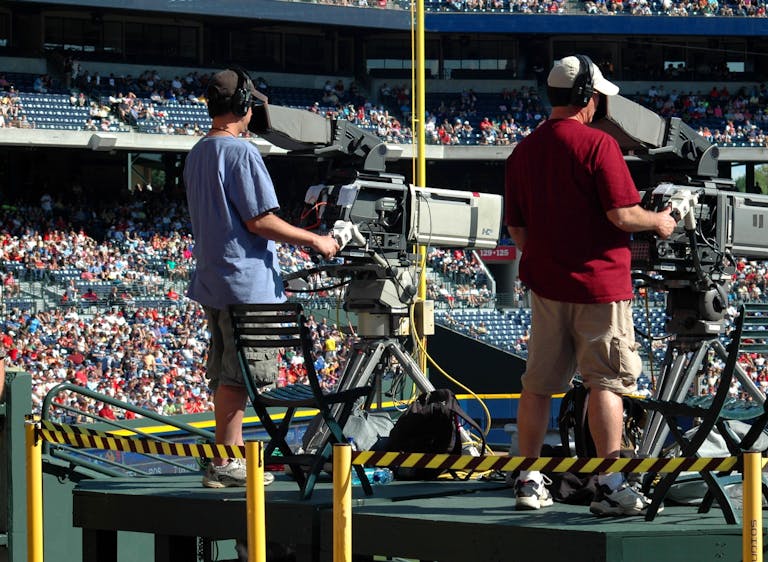
Games are faster-paced, broadcast with more angles, and filled with constant real-time analysis. Social media has turned every highlight into instant content. A single dunk, touchdown, or goal can circulate within seconds to millions of viewers.
For many fans, that has changed expectations.
It’s not just about whether a team wins anymore — it’s about how they win, and whether the game itself feels exciting to watch from start to finish.
This is especially noticeable in basketball and football, where offensive creativity and highlight plays often get more attention than slow, grind-it-out wins.
Some fans argue that leagues are aware of this shift. Rule changes over time have been designed, at least in part, to encourage scoring, speed, and offensive flow — all of which increase entertainment value.
From that perspective, entertainment isn’t replacing winning, but it is shaping how winning is achieved.
Why Traditional Fans Push Back Hard
On the other side of the debate are fans who feel something important is being lost.
To them, sports were never supposed to be about constant highlights or viral moments. The core value has always been competition — doing whatever it takes to win, even if it isn’t flashy.
They point to defensive battles, tactical games, and slower-paced matchups as part of what made sports meaningful. In their view, not every game needs to feel like a highlight reel.
Some fans also argue that modern commentary and online discussion have made entertainment value more important than results. A team can win a game, but still be criticized if it “didn’t look impressive enough” doing it.
That shift, they say, reflects a broader change in sports culture — where perception can sometimes matter as much as performance.
The Role of Social Media in Changing Expectations
One of the biggest forces behind this debate is social media.
In the past, fans watched games live, discussed them briefly afterward, and moved on. Now, every play is clipped, replayed, and ranked in real time.
That creates a different kind of pressure.
Players aren’t just competing in games anymore — they’re competing in highlight culture. A spectacular dunk or long-range shot can define how a performance is remembered more than the final score in some online discussions.
This has led some fans to believe that sports are slowly shifting toward entertainment-first storytelling, where the most shareable moments gain the most attention.
Others argue that this is simply modern fandom evolving with technology.
Either way, it changes how games feel — both during and after they’re played.
Winning Still Matters — But How It Looks Matters More Than Before
Despite the debate, one thing hasn’t actually changed: winning still determines everything in sports.
Championships, contracts, legacies, and careers are still built on results, not aesthetics.
But what has changed is how those wins are judged publicly.
A team that wins in dominant, exciting fashion is often celebrated more widely than a team that wins in a slower, defensive style — even if both outcomes are equally successful in standings.
That creates tension between performance and perception.
Coaches and players are now aware that style of play can influence public opinion, media narratives, and even long-term legacy discussions.
So while winning is still the goal, entertainment value has become a factor in how success is received.
Players Are Also Part of the Shift
Another reason this debate keeps growing is that players themselves are more expressive than ever.
Celebrations, social media presence, brand building, and personality-driven storytelling are now part of the sports ecosystem.
Some fans see this as making sports more engaging and relatable. Others feel it shifts focus away from pure competition.
In earlier eras, athletes were often expected to stay reserved and let performance speak for itself. Today, personality and entertainment are part of the product — whether fans fully agree or not.
That evolution has helped grow leagues globally, but it has also added to the feeling that sports are less “pure competition” than before.
So What’s Actually More Important?
The reality is that sports have not fully shifted from winning to entertainment — but the balance between the two has definitely changed.
Winning still matters most when it comes to records, trophies, and history.
But entertainment now plays a larger role in how fans engage, how games are discussed, and how moments are remembered.
For some, that’s a positive evolution that makes sports more exciting and accessible than ever.
For others, it’s a sign that something fundamental has been diluted.
And that disagreement is exactly why the debate keeps coming back.
Because in today’s sports world, success isn’t just measured in wins anymore.
It’s also measured in how much attention those wins generate.