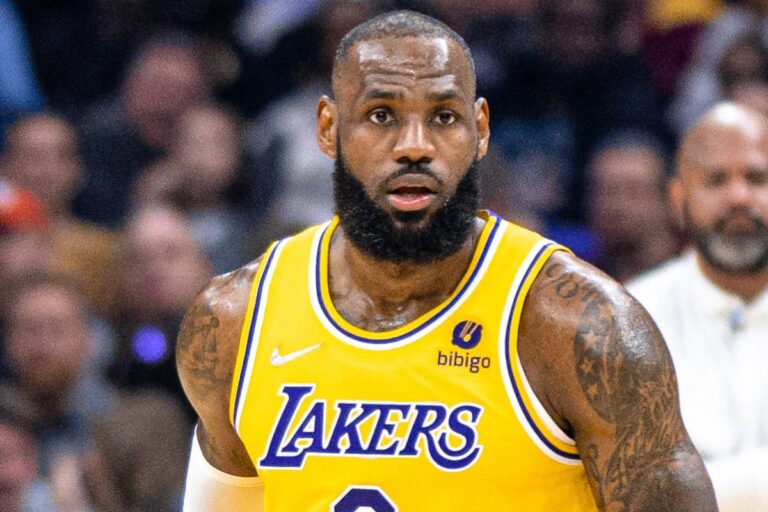

Fans Are Arguing That Sports Peaked Years Ago — and Many Think It’s Obvious Why
A growing online debate is questioning whether modern sports can match the intensity of past eras
Scroll through any major sports discussion right now and a familiar opinion keeps popping up:
Sports peaked years ago.
It is not a fringe take anymore. It is becoming a recurring theme across social media, comment sections, podcasts, and fan debates. Whether it is NBA, NFL, NHL, or soccer, many fans are saying the same thing — today’s sports don’t hit the same way they used to.
And while not everyone agrees, the reasons being given are surprisingly consistent.
The “Golden Era” Argument Keeps Coming Back
When fans say sports “peaked,” they are usually referring to a specific stretch of time that feels larger than life in hindsight.
For basketball fans, it might be the 1990s and early 2000s. For football fans, it might be the 2000s and early 2010s. For hockey fans, different eras get named depending on loyalty and geography.
But the idea is the same: earlier generations of sports felt more intense, more personal, and more meaningful.
Fans often describe those eras as having:
- More physical play
- Stronger rivalries
- Bigger personalities
- Less media interference
- Less “friendship culture” between opponents
Even though sports were always evolving, the perception today is that something has shifted — and not necessarily for the better.
The Main Complaint: Sports Feel Too “Friendly” Now
One of the most repeated arguments in this debate is that modern athletes appear too friendly with each other.
Players train together in the offseason. They appear on podcasts together. They interact constantly on social media. They celebrate each other after games, even in high-stakes moments.
For some fans, that breaks the illusion of rivalry.
In earlier eras, rival teams felt more separated. There was less public interaction between opponents, and fewer opportunities for fans to see behind the scenes relationships.
Now, fans see everything in real time.
That transparency creates a strange contrast: intense competition during games, followed by casual friendliness immediately after.
Supporters of the modern era argue this is just professionalism and maturity. Critics argue it takes away emotional weight from matchups that used to feel personal.
Another Major Factor: Constant Media Exposure
Another reason fans believe sports peaked earlier is the sheer amount of coverage today.
There is no downtime anymore.
Every game produces instant highlights. Every controversial call becomes a viral clip within seconds. Every quote gets analyzed, reposted, and debated endlessly. Every player movement becomes breaking news.
What used to be a 24-hour sports cycle has turned into a 24/7 content machine.
Fans say this changes how moments feel.
A buzzer-beater that once would have dominated conversation for days now competes with hundreds of other clips, reactions, and hot takes within minutes.
Instead of savoring moments, fans are pushed toward the next one immediately.
The Algorithm Effect: Drama Gets Amplified
Social media algorithms also play a major role in shaping how sports feel today.
Platforms tend to reward:
- Anger
- Controversy
- Extreme opinions
- Rival debates
- “Take culture” arguments
As a result, normal discussions often get drowned out by louder, more emotional content.
Fans argue this has changed sports culture itself.
Instead of talking about games in a balanced way, online sports spaces often feel like constant arguments about who is overrated, who is washed, or what moment defines a player’s legacy.
This creates the feeling that sports are less about enjoyment and more about conflict.
Has the Game Itself Changed Too?
Beyond media and culture, some fans point to changes in the actual style of play.
Depending on the sport, critics argue that modern rules, strategies, and training methods have made games more efficient but less chaotic.
For example:
- More three-point shooting in basketball
- More conservative play-calling in football
- Increased emphasis on systems over individual flair in some sports
Supporters of these changes argue the games are simply more advanced and competitive than ever.
But fans who prefer older eras often describe modern sports as more “calculated” and less unpredictable.
And unpredictability is a big part of what creates emotional attachment.
Nostalgia vs Reality: The Hard Truth
Not everyone agrees that sports peaked in the past.
Many fans argue this entire discussion is driven by nostalgia.
When people look back, they remember:
- Legendary players at their peak
- Iconic games
- Emotional moments that stood out
But they forget:
- The boring games
- The weaker coverage quality
- The lack of access to modern analysis
- The issues that existed in those eras too
In other words, past eras feel better because only the best moments are remembered clearly.
Modern sports, by contrast, are constantly documented — including the boring parts.
Why This Debate Isn’t Going Away
The reason this conversation keeps growing is because both sides are experiencing the same reality differently.
Fans who love modern sports value:
- Access
- Transparency
- Constant content
- Player personality
- Global reach
Fans who prefer older eras value:
- Mystery
- Intensity
- Clear rivalries
- Emotional distance
- Simpler storytelling
Neither side is completely wrong.
They are just watching the same evolution of sports and reacting to it differently.
The Real Question Fans Are Asking
Underneath all the arguments about eras, media, and rivalries, there is a deeper question driving this entire debate:
Are sports becoming more entertaining, or just more constant?
For some fans, the answer is clear — modern sports are bigger, faster, and more connected than ever.
For others, something important has been lost in the process.
And as long as sports continue evolving alongside media and technology, this argument about when sports “peaked” is not going anywhere anytime soon.