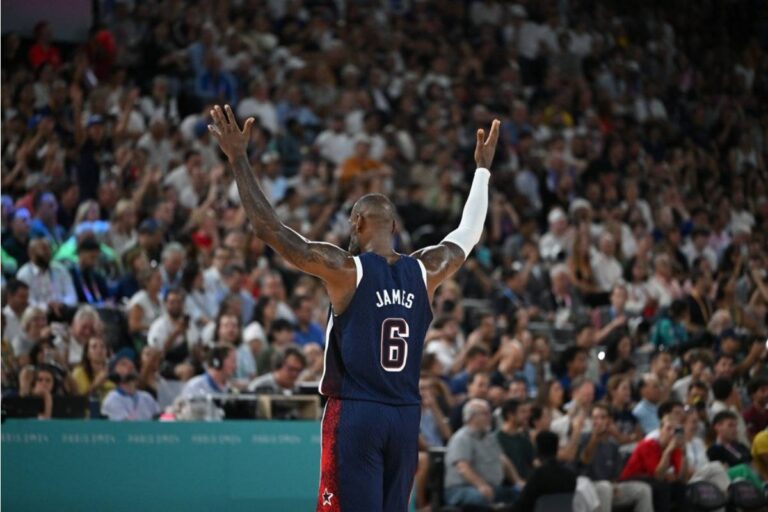

There’s No Mystery Left” — Fans Say Social Media Changed Sports for the Worse
Constant access, nonstop content, and viral moments are changing how fans experience sports
Sports used to feel bigger.
Not just bigger in popularity, but bigger emotionally. Bigger culturally. Bigger in the way fans experienced them.
People waited all week for games. Rivalries felt personal. Superstars felt untouchable. Fans did not know everything happening behind the scenes, and that mystery helped make sports feel special.
Now, many fans believe that feeling is disappearing.
Across social media, more sports fans are arguing that modern sports have become overexposed. The biggest complaint keeps coming back to the same idea: there is no mystery left anymore.
Every athlete is online. Every locker room moment leaks instantly. Every argument becomes content. Every trade rumor becomes a 24-hour news cycle before anything even happens. Fans are no longer just watching games — they are watching constant nonstop coverage surrounding the games.
For some people, that access is exciting.
For others, it is exhausting.
And the debate is becoming impossible to ignore.
Fans Say Social Media Changed the Entire Feeling of Sports
One of the biggest arguments fans keep making online is that sports used to feel more emotional because players seemed larger than life.
Older generations grew up watching stars like Michael Jordan, Wayne Gretzky, Derek Jeter, Shaquille O’Neal, or Joe Montana from a distance. Fans mostly saw athletes during games, interviews, commercials, or major public appearances. There were fewer cameras, fewer podcasts, fewer leaks, and far less direct access.
That distance created mystery.
Fans imagined rivalries. They speculated about locker-room tension. They debated personalities without hearing athletes speak publicly every single day.
Today, fans know almost everything instantly.
Players livestream workouts. Athletes host podcasts. Reporters post breaking news within seconds. Social media pages clip every reaction, every facial expression, and every quote for engagement.
Some fans believe that nonstop exposure has made sports feel less dramatic because nothing feels rare anymore.
Big moments barely last before the internet moves on to the next controversy.
Rivalries Don’t Feel the Same Anymore
One complaint keeps appearing over and over in fan discussions: rivalries no longer feel authentic.
Fans say players often appear too friendly with each other off the field or court. One night, athletes are screaming at each other during a heated game. The next day, they are posting vacation photos together or appearing on the same podcast.
For older fans especially, that creates a strange disconnect.
Past generations grew up believing rivalries were deeply personal. Fans remember intense battles between teams and players that seemed fueled by genuine dislike. Whether those rivalries were fully real or partly exaggerated, they felt believable because fans did not constantly see athletes interacting casually online.
Now, social media pulls back the curtain on everything.
Some fans appreciate seeing friendships between players. Others think it weakens the emotional intensity that made sports exciting in the first place.
Every Moment Gets Debated Instantly
Another major criticism is how quickly social media turns every sports moment into an argument.
A game-winning shot is no longer just a great play. Within minutes, fans are debating legacies, rankings, officiating, gambling implications, and historical comparisons.
A controversial penalty becomes a trending topic before the game even ends.
A bad performance turns into memes immediately.
Many longtime fans believe sports discussions used to feel more natural. Conversations happened the next day at work, at school, or with friends. Debates lasted longer because people actually had time to process what they watched.
Now, reactions happen instantly and emotionally.
Algorithms reward outrage, hot takes, and extreme opinions because those posts generate the most engagement. As a result, fans say normal sports conversations are becoming harder to find online.
Everything becomes dramatic immediately.
Some Fans Miss When Sports Felt Simpler
A growing number of fans believe the overall sports experience has become too overwhelming.
Games now compete with constant notifications, fantasy sports updates, sports betting promotions, live reaction shows, social media clips, podcasts, and endless debate content.
Even during games themselves, fans often split attention between watching and scrolling online reactions at the same time.
Older fans especially say they miss when watching sports felt simpler.
You watched the game. You talked about it afterward. Then you waited for the next one.
Now, sports never really stop.
The conversation continues every hour of every day, and many fans believe that nonstop cycle is making major moments feel less meaningful.
Younger Fans Often See It Differently
Not everyone agrees that social media ruined sports.
Younger fans often argue that modern access makes sports more entertaining than ever before. They enjoy seeing athletes’ personalities directly instead of through filtered interviews or traditional media coverage.
Many fans also believe social media helped leagues grow globally. Highlights spread instantly online, bringing new audiences into sports faster than ever before.
Players now control their own platforms instead of relying entirely on reporters or television networks.
For some fans, that transparency is a positive thing.
But even many younger viewers admit that sports culture online can become exhausting. Constant arguments, negativity, and outrage cycles often dominate conversations surrounding games.
That tension is exactly why the debate continues growing.
The Biggest Fear Fans Keep Bringing Up
At the center of this entire discussion is one concern many sports fans share:
When everything becomes content, nothing feels special anymore.
That idea keeps appearing across fan conversations online.
Fans say massive games lose their emotional buildup because highlights appear instantly everywhere. Rivalries lose intensity because players constantly interact publicly. Superstars lose mystique because audiences know too much about their daily lives.
Sports still attract huge audiences. Stadiums are packed. Television ratings remain massive for major events.
But emotionally, many fans believe something has changed.
They are not necessarily saying sports are worse overall.
They are saying sports feel different.
And as social media continues reshaping how fans experience games, athletes, rivalries, and big moments, the debate only keeps getting louder.