
Fans Are Saying Modern Sports Feel Too Safe — and Older Eras Would Never Allow It
A growing number of sports fans believe modern games no longer feel as intense, physical, or emotional as they once did. Across football, basketball, hockey, and even baseball, one opinion keeps spreading online:
“Sports feel too safe now.”
For older fans especially, the conversation has become impossible to avoid. Every season, debates explode over rule changes, officiating, player protection, and whether leagues have slowly removed the edge that once made sports feel unpredictable and emotional.
Some believe today’s athletes are more skilled than ever and that rule changes were necessary for player safety and career longevity. Others argue leagues have gone too far, creating games that feel overly controlled, less physical, and less authentic compared to previous eras.
And the debate keeps getting louder every year.
NFL Fans Think Defense Has Become Nearly Impossible
The NFL is probably the biggest example of this growing frustration.
Football was once known for brutal hits, intimidating defenses, and physical rivalries that felt personal every time teams met. But many longtime fans believe today’s NFL barely resembles the version they grew up watching.
Quarterbacks are more protected than ever. Defenders face penalties for hits that used to appear on highlight reels for years. Rules targeting helmet contact, roughing the passer, and defenseless receivers have dramatically changed how defenders play the game.
For many fans, the result is obvious.
They believe defenders now hesitate during critical moments because they are terrified of penalties, fines, or suspensions.
That frustration regularly explodes online during primetime games, especially after controversial roughing-the-passer calls. Fans constantly argue that defenders are being punished simply for playing football naturally at full speed.
At the same time, supporters of the modern rules point to the long-term health risks players face, especially involving concussions and brain injuries.
The NFL has faced enormous pressure over player safety for years, and league officials continue emphasizing that protecting athletes must come first.
Still, many fans say the emotional intensity of old-school football has undeniably changed.
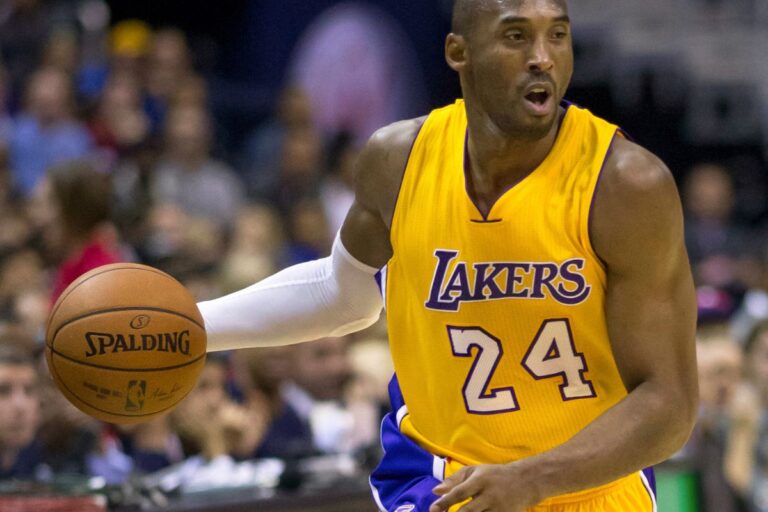
NBA Fans Miss Physical Rivalries
The NBA has also become central to this debate.
Basketball today is faster, more skilled offensively, and built around spacing and shooting. But many older viewers say something important disappeared along the way: physical rivalries.
Fans constantly compare today’s game to older eras featuring intense playoff battles between teams that genuinely disliked each other. Rivalries felt emotional, personal, and hostile in ways many viewers believe no longer exist consistently.
Modern NBA players are far friendlier with one another than previous generations. Players train together in the offseason, appear on podcasts together, and openly support each other online.
For some fans, that has softened the intensity of the league itself.
Many viewers believe today’s technical fouls and officiating standards also discourage physical play too heavily. Hard fouls that once energized crowds now often lead to reviews, flagrant discussions, or ejections.
As a result, some fans say the emotional edge that once defined playoff basketball feels weaker than before.
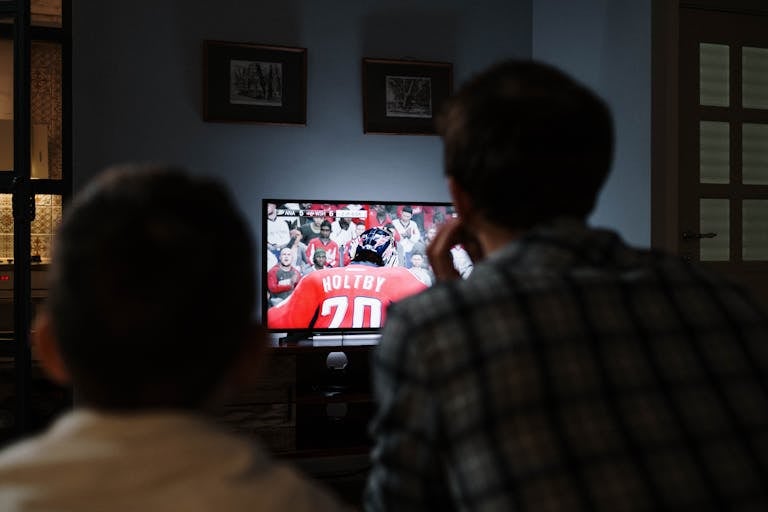
Hockey Fans Say the Game Lost Some of Its Fear Factor
Hockey fans have had similar debates for years.
The NHL has cracked down heavily on dangerous hits, fighting, and player safety issues over the last two decades. While many support the changes, others believe the sport lost part of its identity in the process.
Old-school hockey rivalries were built on intimidation, physical punishment, and emotional chaos. Fans still talk about brutal playoff series from previous decades that felt almost impossible to survive physically.
Today’s NHL is faster and more skilled, but some longtime viewers argue it feels more controlled and less emotional.
Fighting still exists, but not at the level it once did. Big open-ice hits often lead to suspensions or disciplinary reviews. Goalies receive more protection. Officials intervene faster during scrums and altercations.
Many fans understand why those changes happened, especially given growing awareness around head injuries.
Still, some believe the raw intensity that once made hockey feel uniquely emotional has faded.
Sports Leagues Are Trying to Protect Their Investments
One major reason for these changes is simple: athletes today are massive financial investments.
Modern sports contracts involve enormous amounts of money. Teams and leagues have every reason to protect star players from unnecessary injuries whenever possible.
A single superstar missing significant time can impact television ratings, playoff races, ticket sales, merchandise revenue, and league marketing efforts.
Because of that, many fans believe leagues are now heavily incentivized to create safer environments for star athletes.
That approach makes business sense.
But some viewers argue it has also created games that feel less dangerous, less emotional, and less unpredictable than older eras.
Social Media Amplifies Every Controversial Call
Another reason this debate keeps growing is because controversial moments spread instantly online.
One questionable penalty can dominate social media for days. Clips go viral within minutes, and fans endlessly debate whether referees are protecting players too aggressively.
Years ago, controversial calls faded more quickly because discussions moved slower.
Today, every flag, suspension, or replay review becomes national discourse immediately.
That nonstop reaction cycle has made fans more aware of officiating and league rules than ever before.
And many viewers believe sports now feel over-officiated as a result.
Younger Fans Often See Things Differently
Interestingly, younger fans often push back against the nostalgia surrounding older sports eras.
Many argue that older generations romanticize physicality while ignoring the serious health consequences athletes suffered.
Concussions, chronic injuries, shortened careers, and long-term brain trauma are now discussed far more openly than they were decades ago.
Younger viewers often see modern sports as smarter rather than softer.
They argue athletes today are bigger, faster, more skilled, and better conditioned than previous generations. From this perspective, protecting players is not weakness — it is simply progress.
That generational divide has become a major part of the debate itself.
The Emotional Feel of Sports Has Changed
Even beyond physicality, many fans believe modern sports simply feel emotionally different overall.
Older eras are remembered for heated rivalries, trash talk, intimidation, and teams genuinely disliking one another.
Today’s athletes often appear more professional and media-trained. Postgame jersey swaps, friendly interactions, and social media friendships are now common across leagues.
Some fans appreciate that evolution.
Others believe it removes part of the emotional tension that once made sports feel bigger and more intense.
That emotional shift may explain why so many fans keep saying modern games feel “safe” even beyond rule changes themselves.
The Debate Is Really About Identity
At its core, this debate is about what fans believe sports are supposed to feel like.
For some people, sports should be emotional, unpredictable, physical, and intense. They believe danger and rivalry were part of what made games feel meaningful.
Others believe skill, speed, strategy, and player health matter far more than violence or intimidation.
Neither side appears ready to back down anytime soon.
Every controversial NFL penalty, NBA technical foul, or NHL suspension restarts the same conversation all over again.
And as leagues continue prioritizing player safety moving forward, the divide between older and younger fans may only continue growing.
Because whether fans love or hate the modern era, one thing has become clear:
The feel of professional sports has changed dramatically — and many viewers are still struggling to decide whether that change made the games better, or far less exciting.