
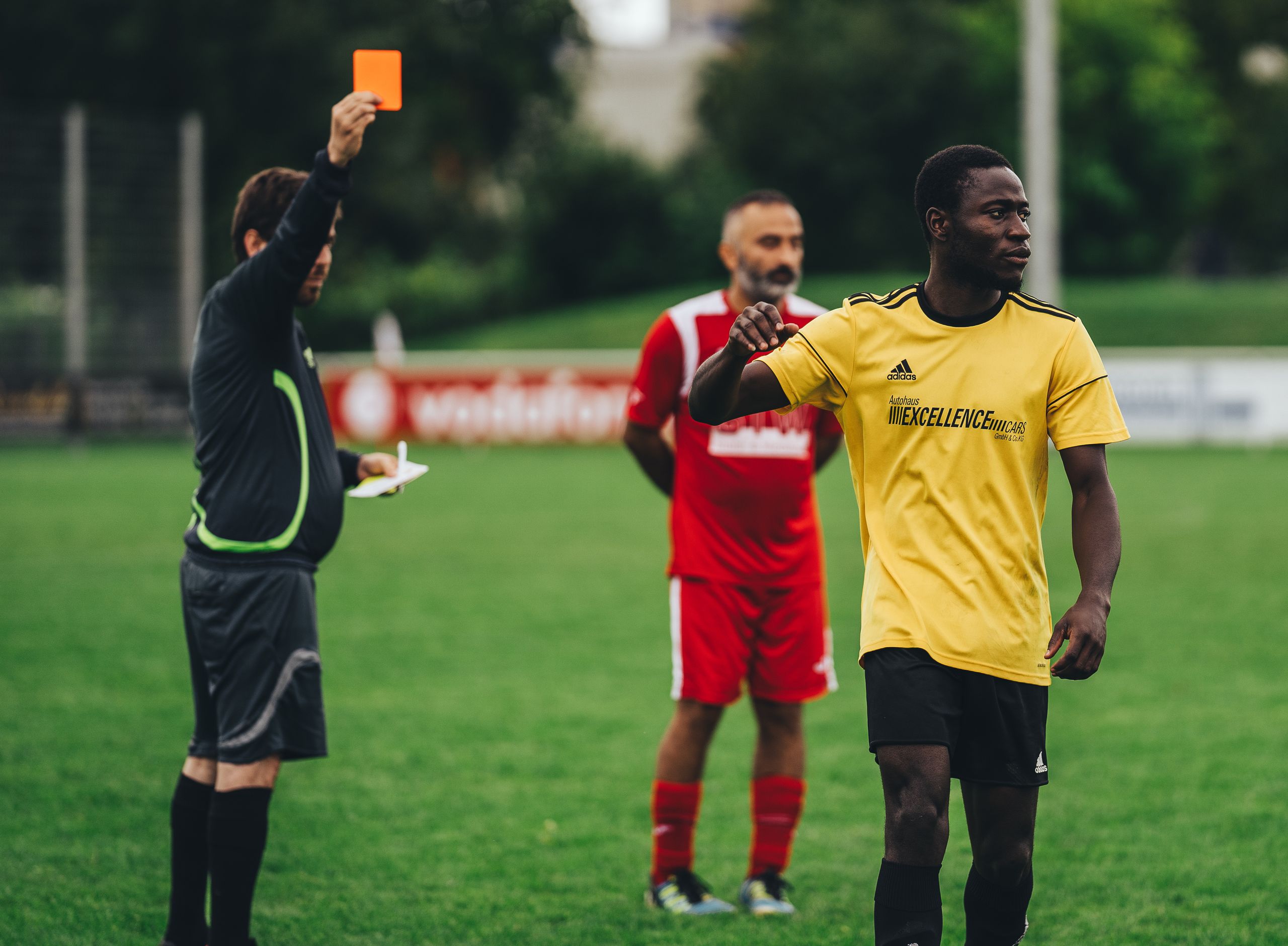
“You Can’t Even Criticize Players Anymore” — Sports Fans Debate the Modern Era
Sports debates have always been emotional. Fans argue about star players, coaches, trades, effort levels, and who deserves blame after big losses. That has always been part of sports culture.
But lately, a growing number of fans believe something has changed dramatically in the modern era. Across social media, podcasts, sports shows, and online discussions, one opinion keeps appearing over and over again:
“You can’t even criticize players anymore.”
For many fans, the issue is not about hating athletes or tearing people down personally. Instead, they believe modern sports conversations have become so defensive and polarized that even normal criticism instantly turns into outrage online.
And the debate is getting bigger across every major sport.
Fans Say Every Discussion Turns Into a War Online
Older sports fans especially keep saying modern sports discourse feels completely different compared to previous eras.
Years ago, criticism was viewed as part of professional sports. If a quarterback struggled, fans talked about it. If a superstar disappeared in a playoff game, analysts openly discussed it for days. If a team underperformed, players faced tough questions from media and fans alike.
Now, many viewers feel every criticism instantly becomes a massive online fight.
A simple comment about poor defense, bad effort, selfish play, or playoff struggles can suddenly lead to accusations of “hating,” “disrespect,” or “attacking” a player personally.
Because of that, some fans believe honest sports discussions are becoming harder to have.
Instead of debating performances calmly, conversations often spiral into fanbase wars almost immediately.
The NBA Is Often at the Center of the Debate
The NBA has become one of the biggest examples of this shift.
Basketball conversations online are now nonstop. Every major game creates instant reactions across social media within minutes. One incredible performance leads to “greatest player alive” discussions. One bad game creates endless criticism, memes, and arguments.
Fans say there is almost no middle ground anymore.
Discussions involving stars like LeBron James, Luka Doncic, Jayson Tatum, Joel Embiid, Stephen Curry, or Anthony Edwards regularly explode online after every playoff game.
But many longtime fans say the biggest difference today is how personal everything becomes.
Criticizing a player’s performance no longer stays about basketball itself. Fanbases often treat criticism like a direct attack on their favorite player or team.
That has created a sports environment where every opinion feels amplified.
Social Media Changed Everything
A major reason this debate keeps growing is because sports conversations now happen 24 hours a day.
In previous decades, fans watched games, read newspaper columns the next morning, listened to radio discussions, and moved on. The conversation eventually cooled off.
Today, there is no cooldown period.
Clips go viral instantly. Reaction videos flood timelines within minutes. Podcasts break down every moment repeatedly. Debate shows stretch one storyline across multiple days.
And social media algorithms reward outrage more than balanced discussion.
That constant cycle creates stronger emotional reactions from everyone involved — fans, analysts, and players themselves.
Many fans believe this is why sports discussions now feel exhausting compared to older eras.
Players Are More Connected to Fans Than Ever
Another major difference in modern sports is how directly athletes interact with the public.
Years ago, players mostly communicated through interviews and press conferences. Today, athletes speak directly to fans through Instagram, X, podcasts, livestreams, YouTube channels, and personal media brands.
Some fans think this has been great for sports because players finally control their own narratives instead of relying entirely on traditional media.
Others believe it has made criticism much more complicated.
Because athletes now see reactions instantly, every negative comment can spread rapidly online. Fans argue that this has made players more aware of public criticism than athletes from previous generations ever were.
At the same time, many viewers say some athletes now respond to criticism too often, which only fuels more online drama.
Fans Think Everything Feels More Defensive Now
One opinion that keeps appearing online is that sports culture today revolves heavily around defending favorite players at all costs.
Instead of admitting weaknesses or flaws, many fans immediately jump into arguments defending every aspect of a player’s game.
That is especially noticeable during playoff runs.
If a superstar struggles, conversations quickly become emotional. Supporters blame referees, teammates, coaching, injuries, or media narratives rather than discussing the actual performance itself.
Some longtime fans say this has hurt sports discussions because debates rarely stay objective anymore.
Everything becomes personal.
And because social media encourages engagement through conflict, the loudest and most aggressive reactions usually spread the fastest.
The NFL Is Seeing Similar Frustration
The NFL has also become part of this growing debate.
Quarterbacks especially face nonstop attention online. Every interception, missed throw, or playoff loss becomes a viral topic almost instantly.
At the same time, many football fans believe criticism around certain players becomes impossible without creating huge online backlash.
Patrick Mahomes, Josh Allen, Dak Prescott, Jalen Hurts, Lamar Jackson, and other star quarterbacks constantly dominate sports discussions online.
But many fans say conversations now focus less on actual football analysis and more on defending narratives around specific players.
That shift has changed the feel of sports media itself.
Some Fans Say Modern Sports Feel More Like Entertainment
Another reason this debate keeps growing is because sports now operate inside a nonstop entertainment cycle.
Hot takes generate clicks. Controversy spreads faster than thoughtful analysis. Emotional reactions drive engagement online.
As a result, many fans believe sports conversations have become more dramatic and less authentic.
Every topic becomes exaggerated.
One win changes a player’s legacy. One loss creates panic. One quote becomes a week-long controversy.
Some older fans say they miss when sports discussions felt simpler and more focused on the games themselves.
Others Say Athletes Face More Pressure Than Ever
Not everyone agrees with the criticism, however.
Many fans argue that athletes today deal with levels of public scrutiny that previous generations never experienced.
Social media means millions of people can criticize players directly after every game. Some comments cross personal lines far beyond normal sports criticism.
Because of that, many viewers understand why athletes and fans become defensive online.
There is also a major difference between fair criticism and toxic harassment — something many sports discussions fail to separate clearly.
That is part of why the debate continues growing.
The Debate Is Not Going Away Anytime Soon
What is clear is that sports culture feels dramatically different than it did even ten years ago.
Every major game now creates instant reactions, viral arguments, nonstop analysis, and online drama within minutes. Players respond publicly more often. Fans defend athletes more aggressively. Media coverage moves faster than ever.
And because sports conversations never really stop anymore, emotions stay high constantly.
Some fans believe modern sports culture has become too sensitive.
Others believe athletes are simply dealing with an unprecedented level of pressure and public criticism.
Either way, one thing is obvious: the relationship between fans, players, and criticism has changed completely in the social media era.
And judging by how heated these debates continue becoming online, sports fans are nowhere close to agreeing on whether that change has made the sports world better — or far more exhausting.