Fans Say Stadiums Feel Like “Full-Scale Productions” Now, but Many Believe It’s Meant to Distract From Rising Costs — “Just Lower the Prices Instead”
For a lot of fans, the conversation about live sports isn’t just about loud music, flashing lights, or over-the-top halftime shows anymore. It’s about something deeper that’s starting to bother people more than the entertainment itself.
The cost.
One comment that keeps coming up in fan discussions captures the feeling perfectly: it’s starting to feel like all the extra production is there to distract from how expensive everything has become.
And for many fans, that idea is starting to stick.
“It Feels Like a Distraction From the Prices”
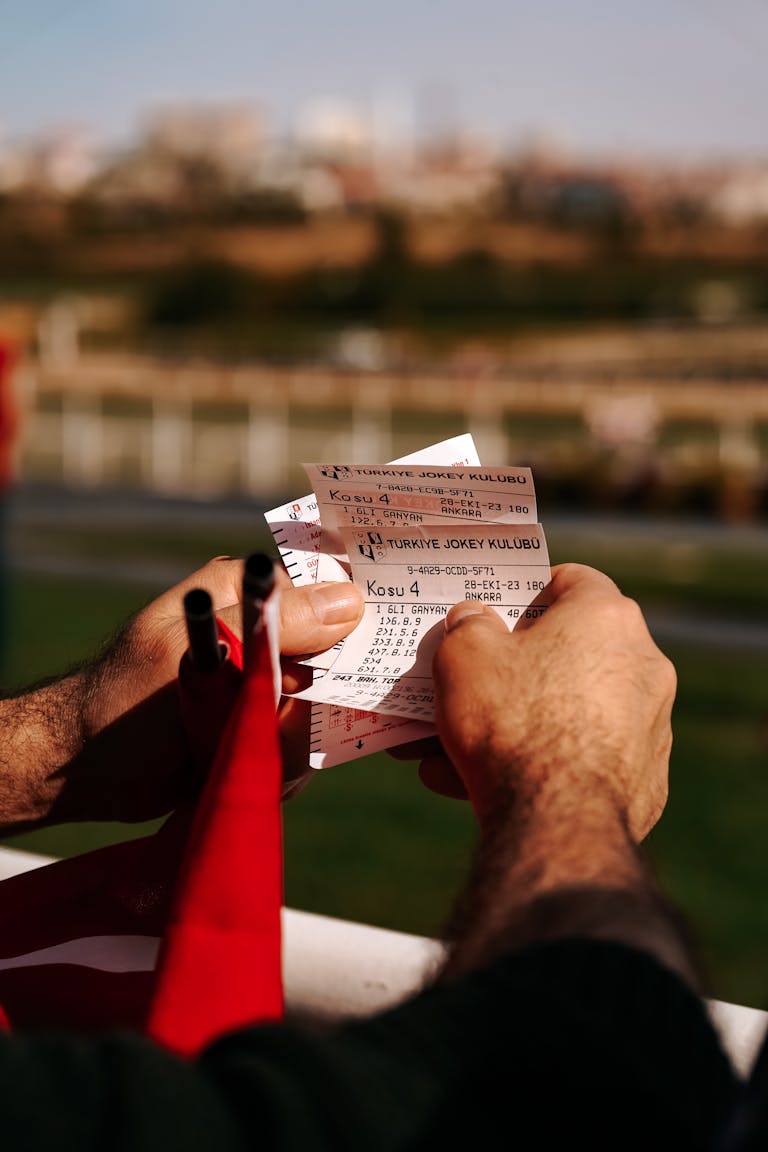
Going to a game today can feel completely different from what it used to be. It’s not just the ticket anymore. It’s parking, food, drinks, merchandise, and sometimes even added fees that don’t show up until checkout.
By the time a family actually sits down in their seats, the total cost can be hundreds, sometimes even over a thousand dollars depending on the event.
That’s where the frustration is building.
Some fans are starting to question whether all the extra entertainment, the constant noise, the contests, the hype videos, the sponsored segments, is really for the experience… or if it’s there to keep people from thinking too much about what they just spent.
It’s not that people don’t enjoy a good atmosphere. It’s that it can start to feel excessive when paired with rising prices.
When the Game Stops Feeling Like the Main Event
There was a time when the game itself carried the entire experience. The crowd reacted naturally. The excitement built organically. Even the quiet moments had meaning.
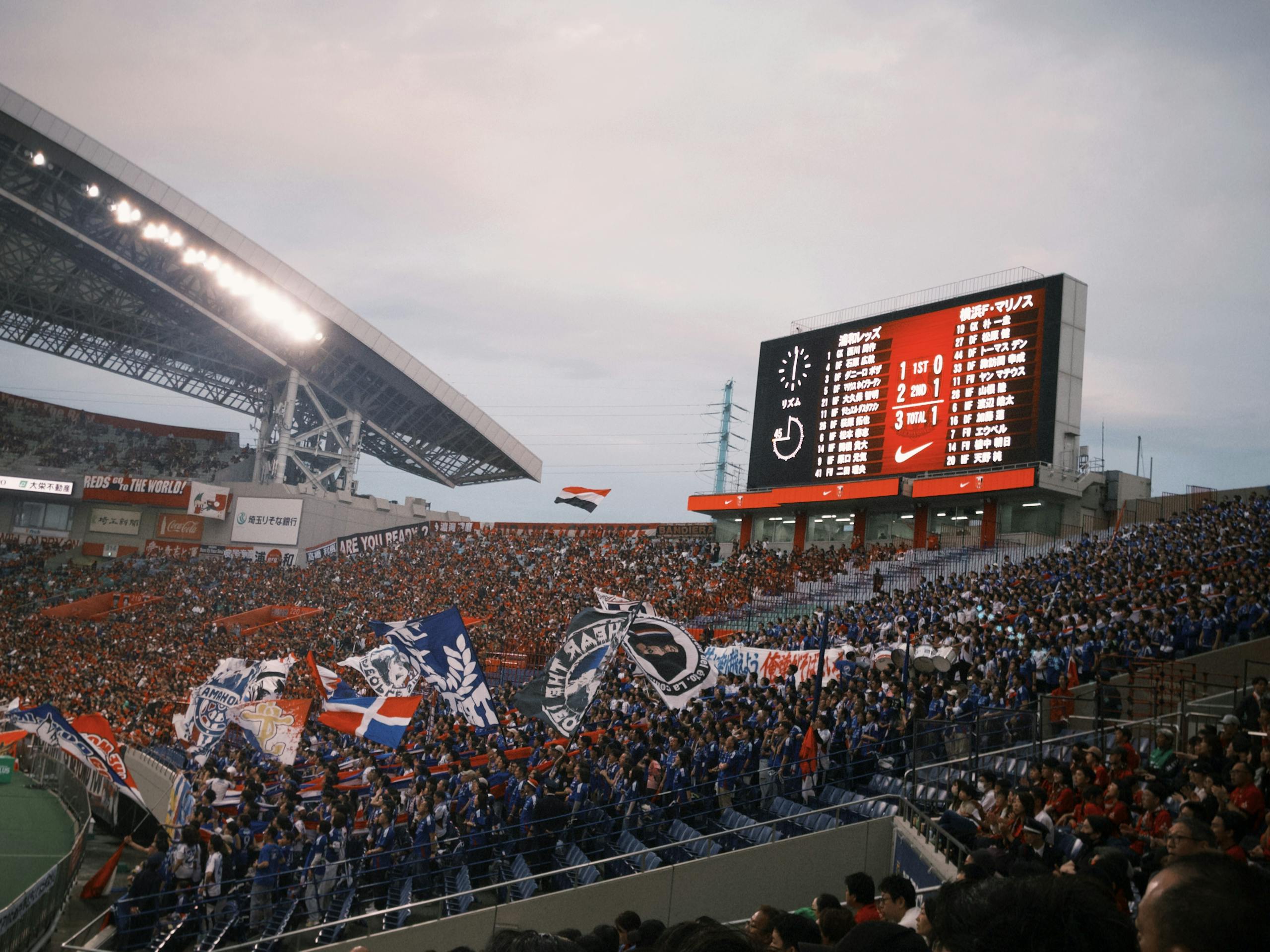
Now, many fans say there’s barely a second where something isn’t happening on the big screen or blasting through the speakers.
Every break is filled. Every pause is monetized. Every moment feels programmed.
For some, that creates a different kind of experience. Instead of being immersed in the game, they feel like they’re being guided through a production.
And when you’ve just paid a premium to be there, that shift can feel frustrating.
“Just Lower the Prices Instead”
Another comment that’s gaining traction is even more direct: skip the extras and make tickets more affordable.
For many fans, the priority hasn’t changed. They don’t need fireworks, celebrity appearances, or elaborate in-game segments. They just want to watch their team.
There’s a growing feeling that if stadiums scaled back even a portion of the production, maybe some of that cost savings could go toward lowering ticket prices or making concessions more reasonable.
Whether that’s realistic or not is another question, but the sentiment itself says a lot.
Fans aren’t asking for more. In many cases, they’re asking for less.
Less noise. Less distraction. Less spending pressure.
And most importantly, lower barriers to actually attending games.
The Experience Is Starting to Feel Out of Reach
One of the biggest concerns being shared is accessibility.
For families, especially, the rising cost of attending live sports is becoming harder to justify. What used to be a regular outing is now something that requires planning, budgeting, and sometimes skipping altogether.
Some fans say they’ve already made that decision.
They’d rather watch from home where the experience is cheaper, more comfortable, and ironically, sometimes even easier to follow without all the in-stadium distractions.
That’s a shift leagues and teams are starting to notice.
Because once fans stop coming, it’s not always easy to bring them back.
Why Teams Keep Adding More
From a business perspective, the move toward bigger, more immersive experiences isn’t random.
Teams and leagues are competing with high-definition broadcasts, streaming services, and the convenience of watching from home. They want to give fans something they can’t get on their couch.
So they build bigger screens. They create more interactive elements. They turn games into full events rather than just competitions.
But that strategy comes with a risk.
If the experience starts to feel forced or disconnected from what fans actually want, it can backfire.
And that’s what some fans are starting to say is happening now.
A Growing Divide Between What Fans Want and What They’re Getting
At the heart of this conversation is a simple question: what are fans really paying for?
Is it the game?
Or is it everything around it?
Because for many, the answer is starting to feel unclear.
There’s nothing wrong with enhancing the experience. For some people, the added energy and entertainment make games more exciting.
But for others, it’s starting to feel like the core reason they showed up, to watch the sport, is getting lost in the process.
And when prices keep climbing at the same time, that feeling becomes harder to ignore.
The Conversation Isn’t Going Away
This isn’t just a one-off complaint. It’s becoming a recurring theme across fan discussions.
People aren’t just noticing the changes. They’re questioning them.
They’re asking why everything feels bigger, louder, and more expensive at the same time.
And they’re starting to push back with a simple idea: if the goal is to bring fans closer to the game, maybe the answer isn’t adding more.
Maybe it’s stripping things back.
Because for a lot of fans, the appeal of live sports was never about the production.
It was about the moment.
And right now, many are wondering if that’s exactly what’s getting lost.