
Fans Say Live Sports “Feel Too Corporate Now,” and Many Think Something Important Has Been Lost — “It Used to Be About the Fans”
The Game Is Still There, But the Feeling Has Changed
For a lot of longtime fans, the issue with live sports today isn’t the athletes, the talent, or even the outcomes. It’s the feeling that something around the game has fundamentally shifted.
More and more, fans are describing the experience as “corporate.”
Not just in a vague way, but in a very specific sense. Everything feels branded. Everything feels sponsored. And everything feels like it’s designed to sell something.
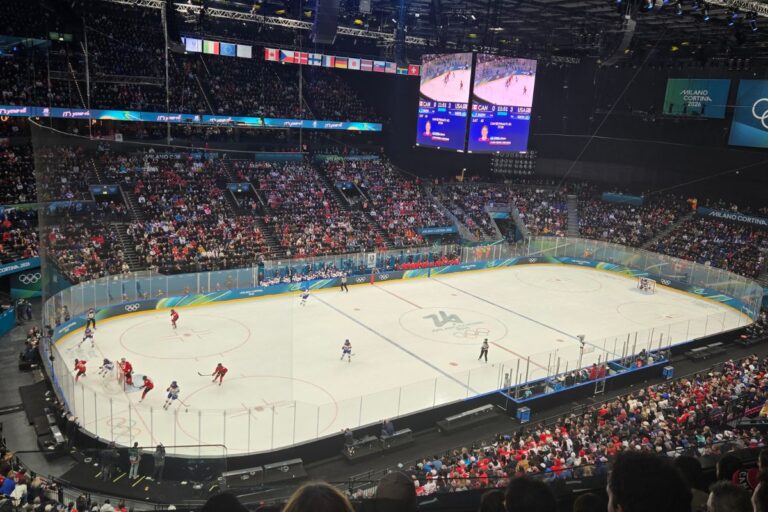
From the moment you walk into a stadium, it’s hard to ignore. Sections are named after companies. Halftime shows are presented by brands. Even in-game moments, things that used to feel spontaneous, are now tied to promotions or ads.
For some fans, it’s starting to feel like the game itself is just one part of a much larger marketing machine.
“It Used to Feel Like It Belonged to the Fans”
There’s a growing sense that live sports used to feel more local, more personal, and more connected to the people in the stands.
Fans created the atmosphere. Traditions formed naturally. Rivalries felt intense because they were built over time, not packaged and promoted.
Now, many say that feeling has been replaced by something more controlled.
Instead of organic energy, everything feels scheduled. Crowd prompts show up on screens. Music cues tell people when to get loud. Even chants sometimes feel manufactured rather than spontaneous.
For fans who remember what it used to be like, that difference stands out.
It’s not that the passion is gone. It’s that it doesn’t feel like it belongs to the fans anymore.
The Rise of Sponsorship Everywhere
Part of this shift comes from how much sponsorship has expanded across sports.
It’s no longer just logos on jerseys or ads during breaks. It’s integrated into every part of the experience.
Timeouts become sponsored segments. Replays are “brought to you by” something. Giveaways, contests, and even fan interactions are often tied to brands.
From a business standpoint, it makes sense. Teams and leagues are maximizing revenue wherever they can.
But for fans, it can start to feel overwhelming.
When every moment is tied to a brand, it becomes harder to separate the game from the marketing around it.
When the Experience Feels Designed Instead of Lived
One of the biggest complaints fans have isn’t just about ads. It’s about how controlled the entire experience feels.
There’s very little left to chance.
What used to be unpredictable now feels curated. The energy of the crowd is often guided rather than created. Breaks in the action aren’t pauses anymore. They’re filled with something planned.
That shift changes how the game feels.
Instead of being fully immersed in what’s happening on the field, some fans feel like they’re part of an experience that’s been carefully designed from start to finish.
And that’s where the disconnect starts.
The Business Side Isn’t Going Away
To be fair, this shift didn’t happen randomly.
Sports are bigger than ever. The money involved is enormous. Teams are competing not just with each other, but with streaming, social media, and endless entertainment options.
Creating a more “complete” experience is part of staying relevant.
But there’s a balance.
And many fans feel like that balance is starting to tip too far in one direction.
A Growing Disconnect
At the center of this conversation is a simple question: who is the experience really for?
Is it for the fans who show up and support their teams?
Or is it for the brands, sponsors, and partners that help fund the entire operation?
Most fans understand that both matter.
But when the balance shifts too far toward one side, it changes how everything feels.
And right now, a lot of fans are starting to notice that shift.
Why This Conversation Is Getting Louder
This isn’t just a one-time complaint.
It’s becoming a recurring theme across sports, across leagues, and across different types of fans.
People aren’t just pointing out that things feel different. They’re explaining why.
They’re noticing the same patterns. The same overbranding. The same sense that the experience is being shaped by something other than the game itself.
And they’re starting to push back.
Not because they don’t love sports.
But because they do.
What Fans Really Want
At the end of the day, most fans aren’t asking for less investment or less effort.
They’re asking for something simpler.
They want the game to feel like the main event again. They want the atmosphere to feel natural. They want to feel like they’re part of something real, not something produced.
Because for many, that’s what made live sports special in the first place.
And right now, a growing number of fans are wondering if that’s exactly what’s starting to slip away.